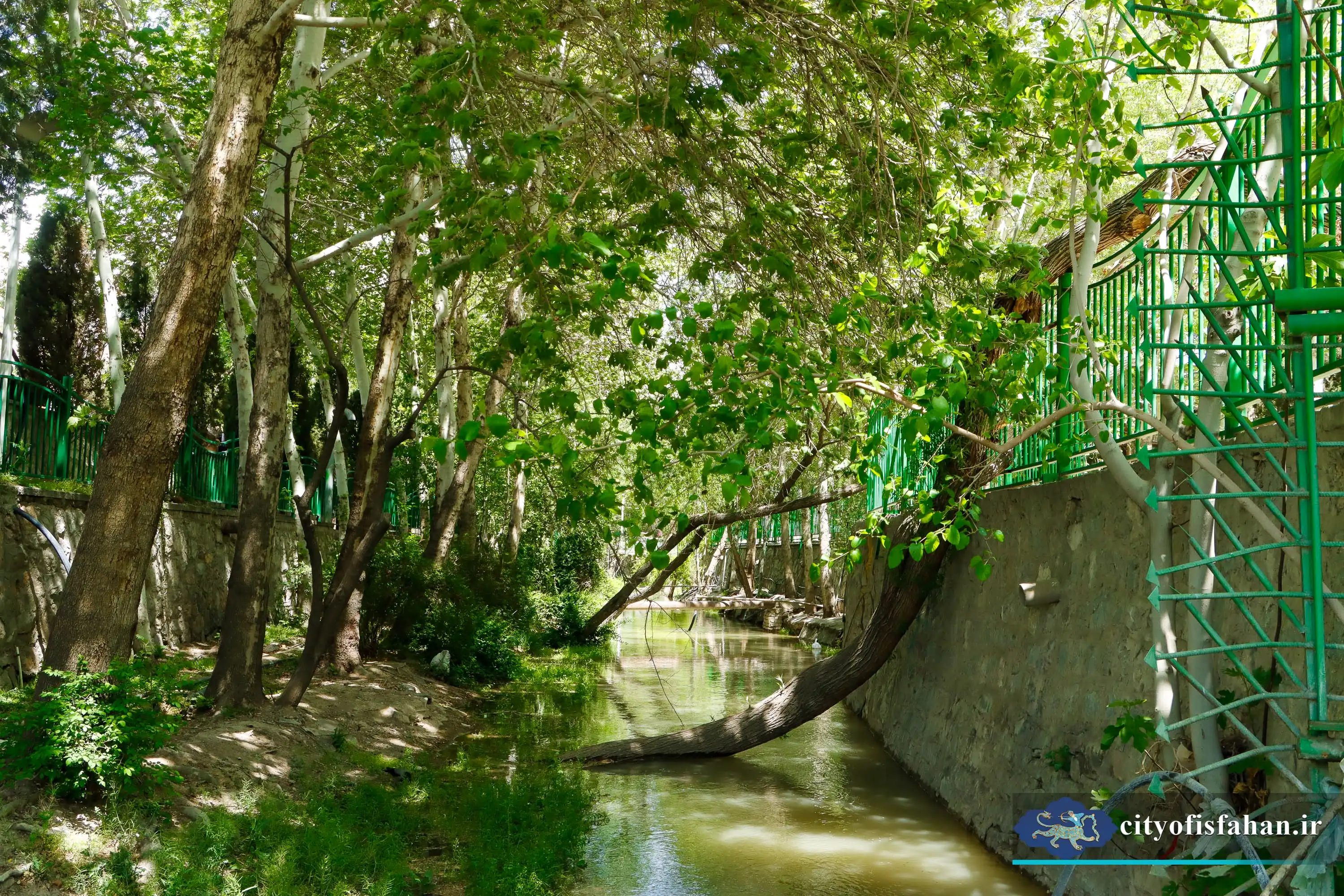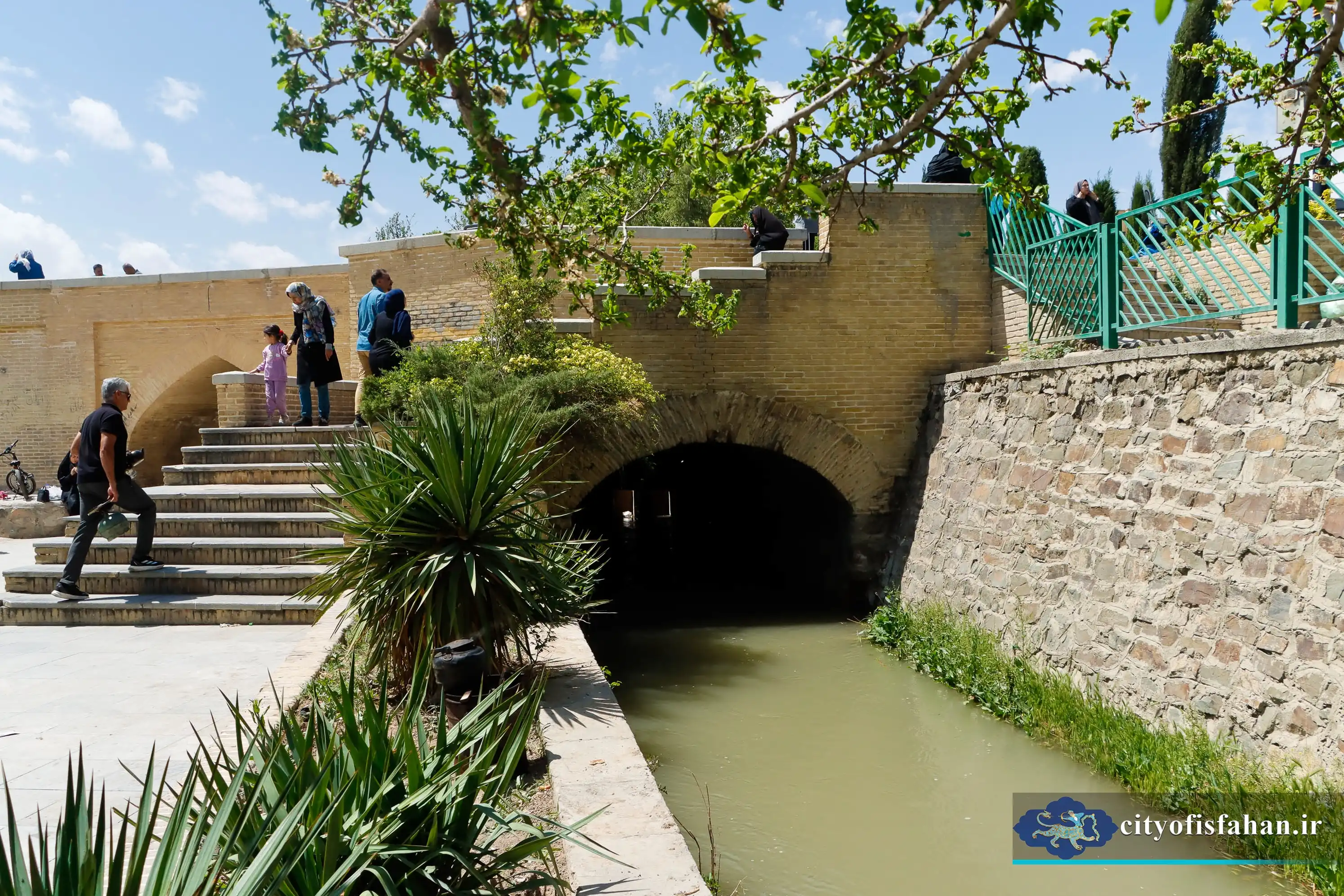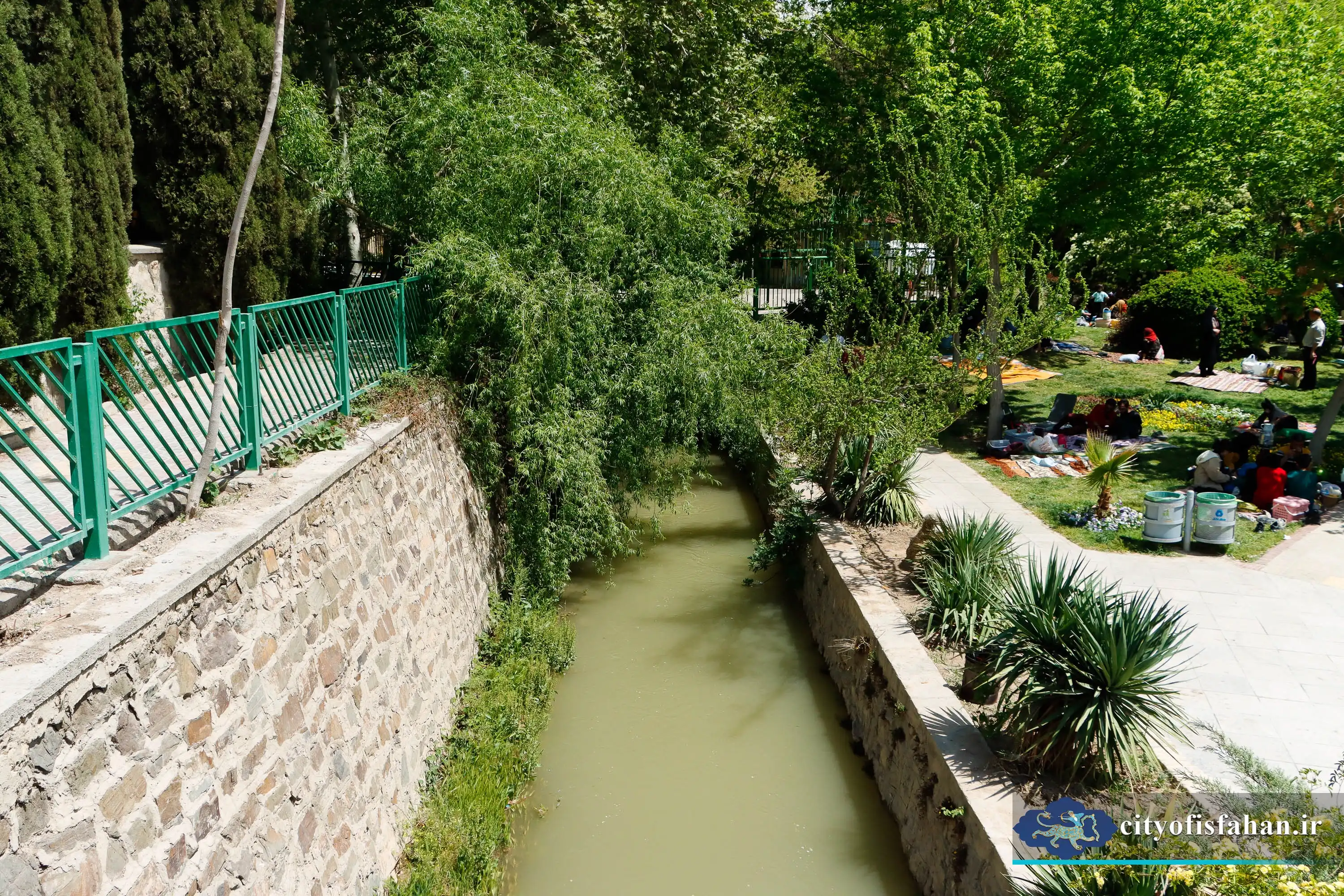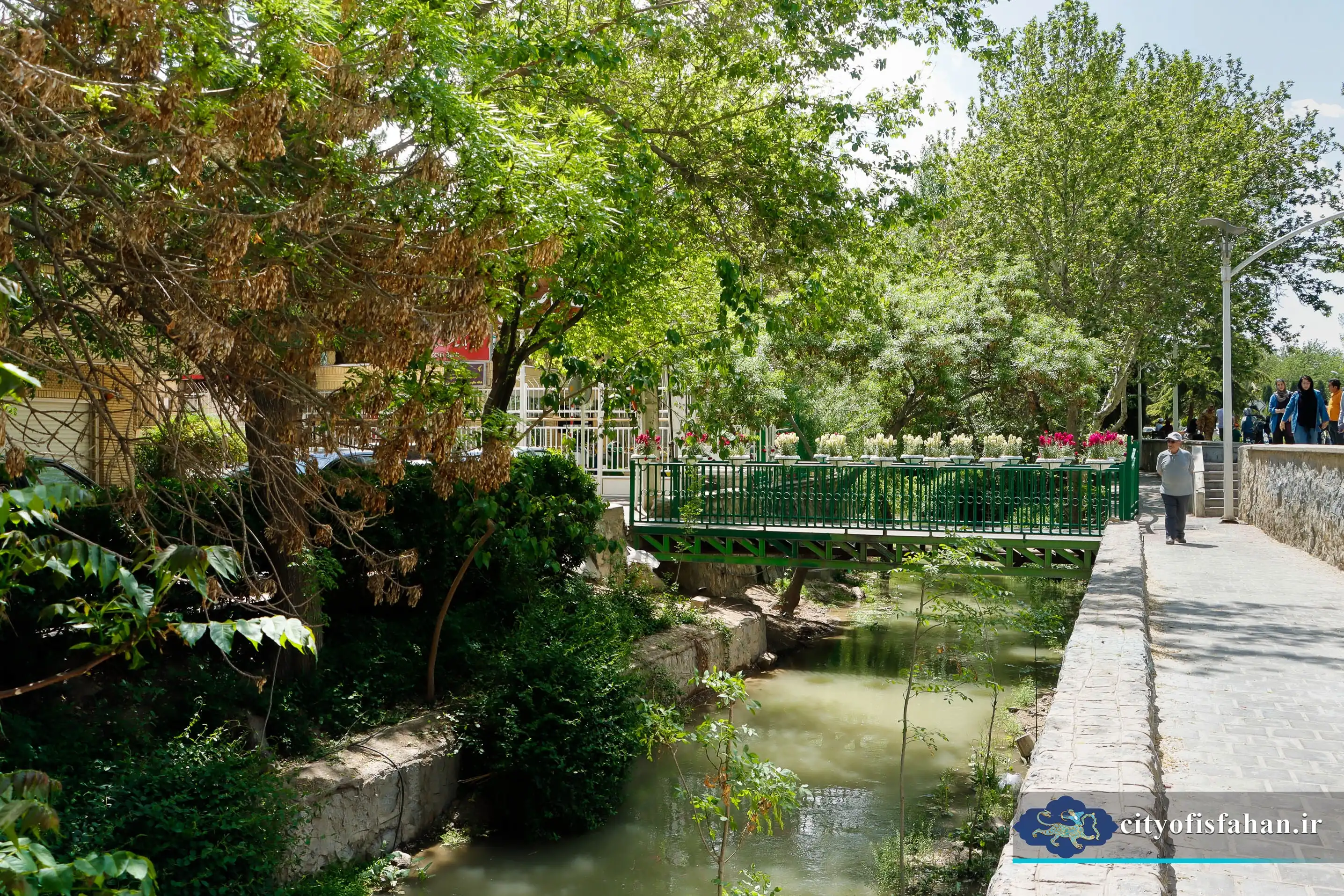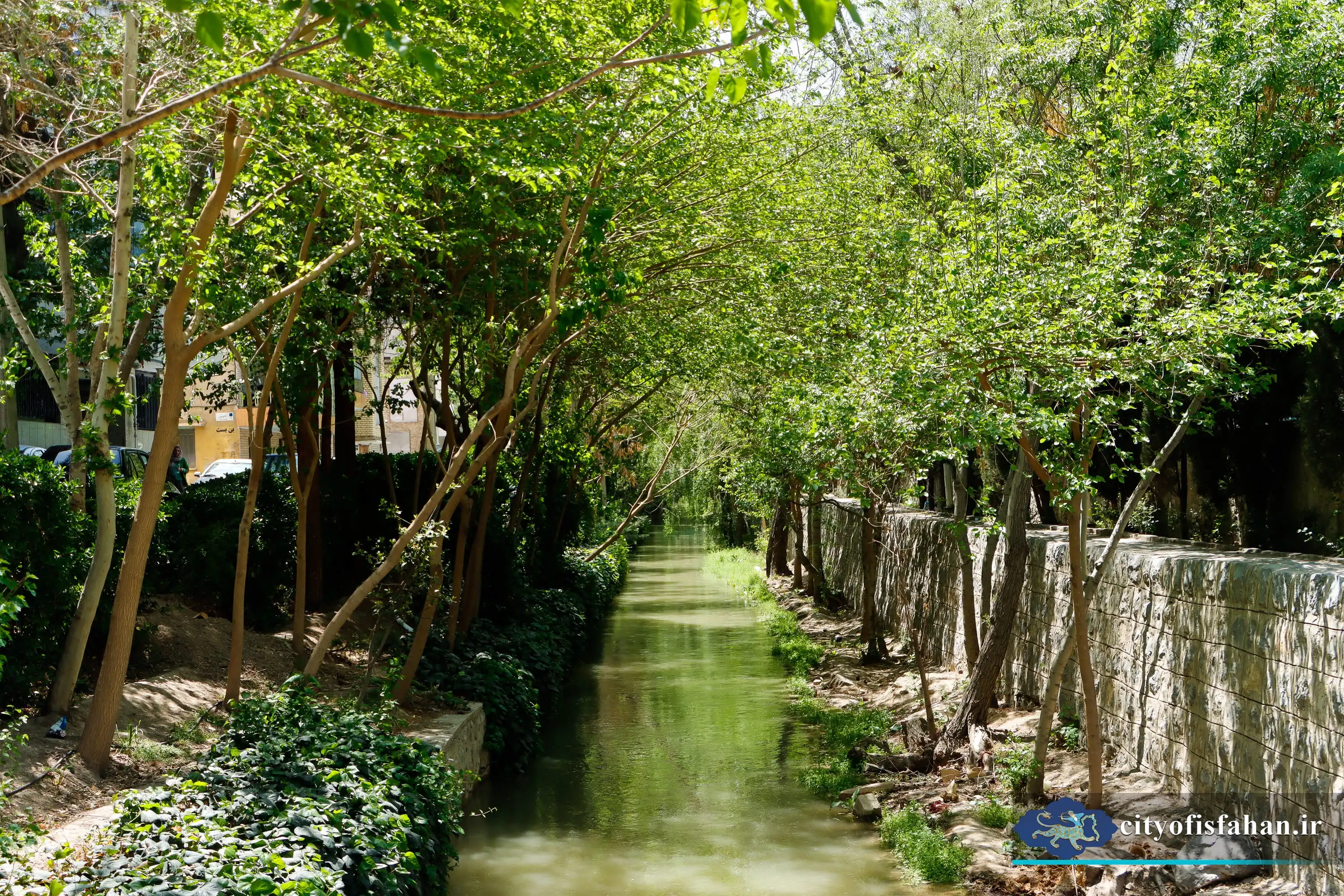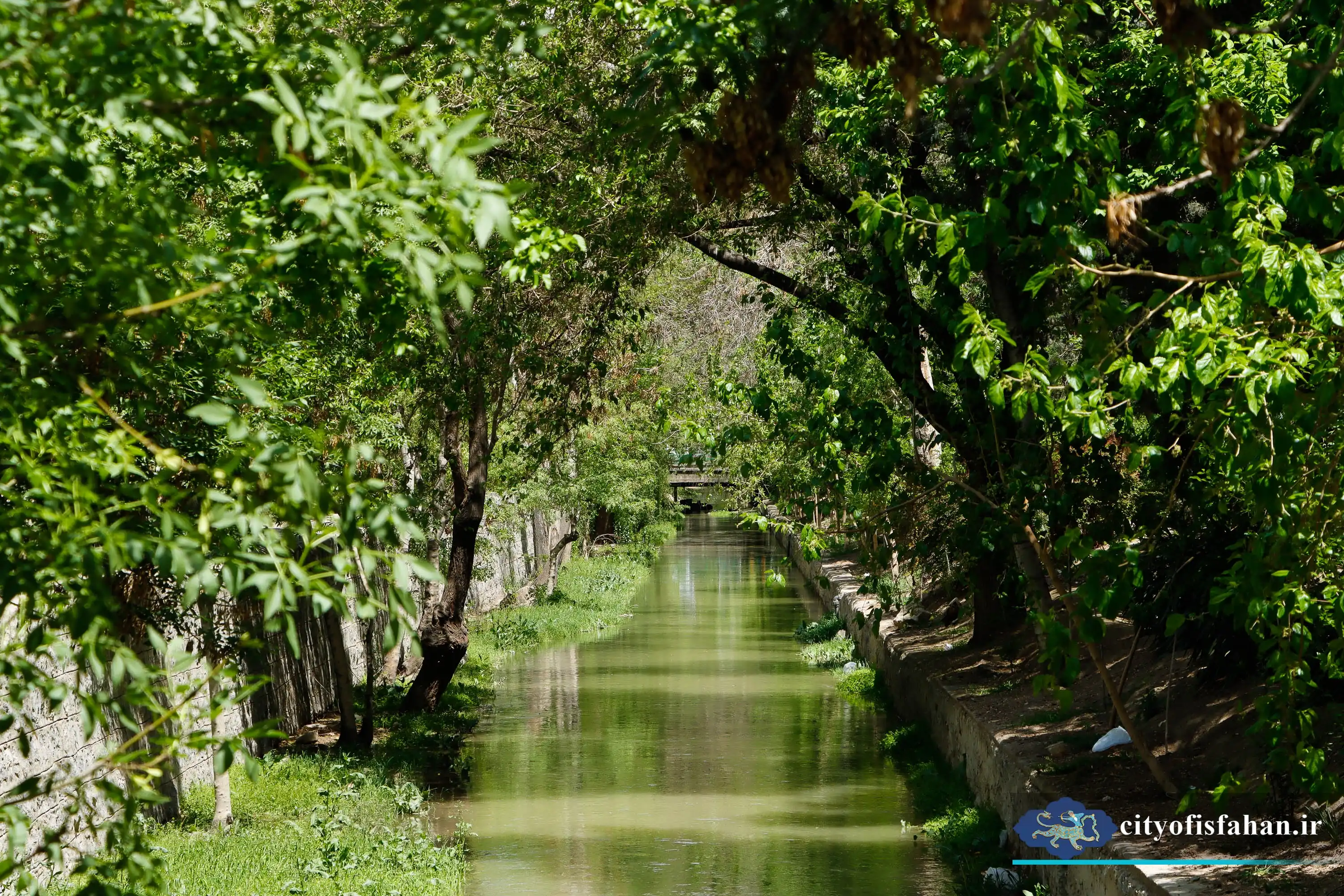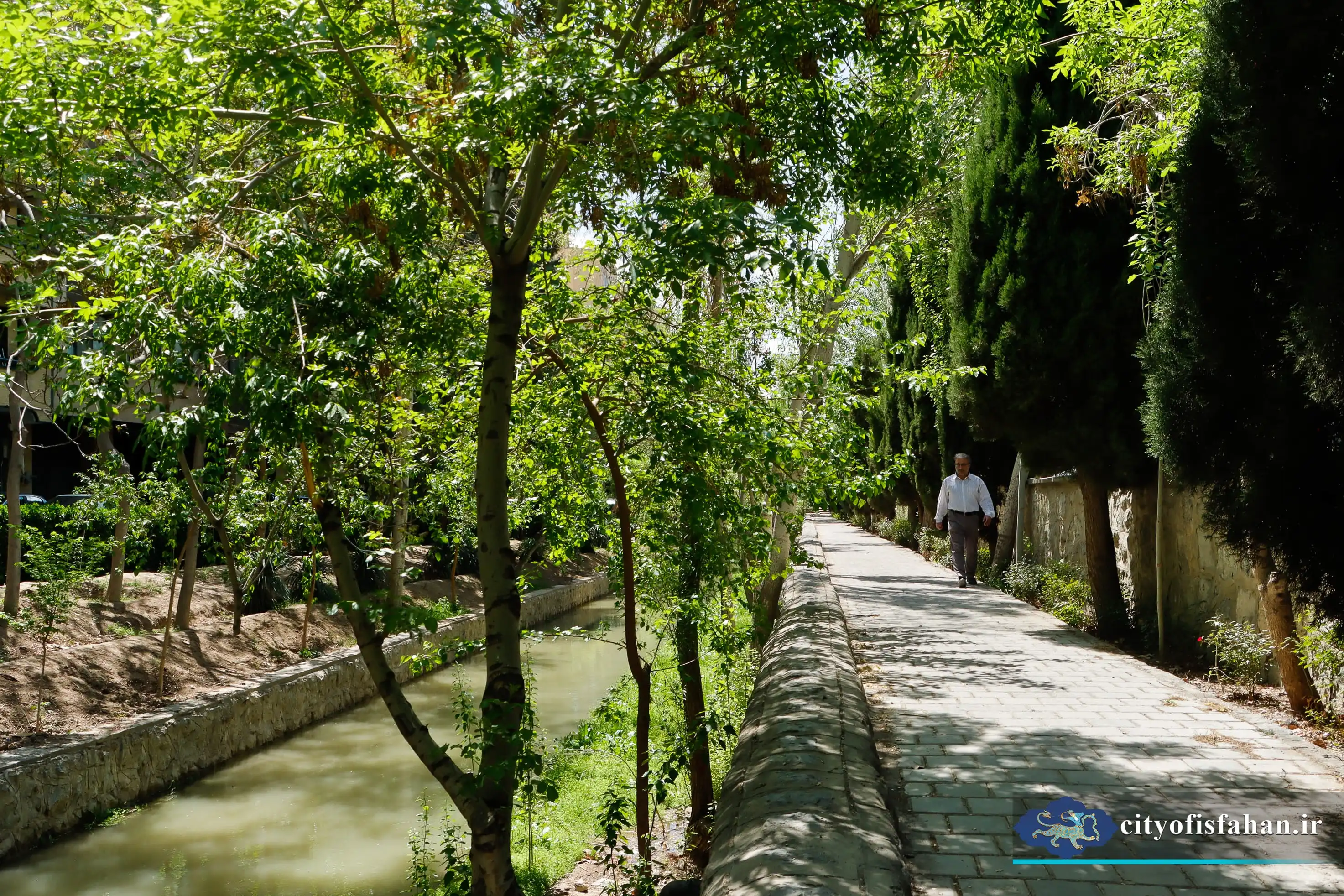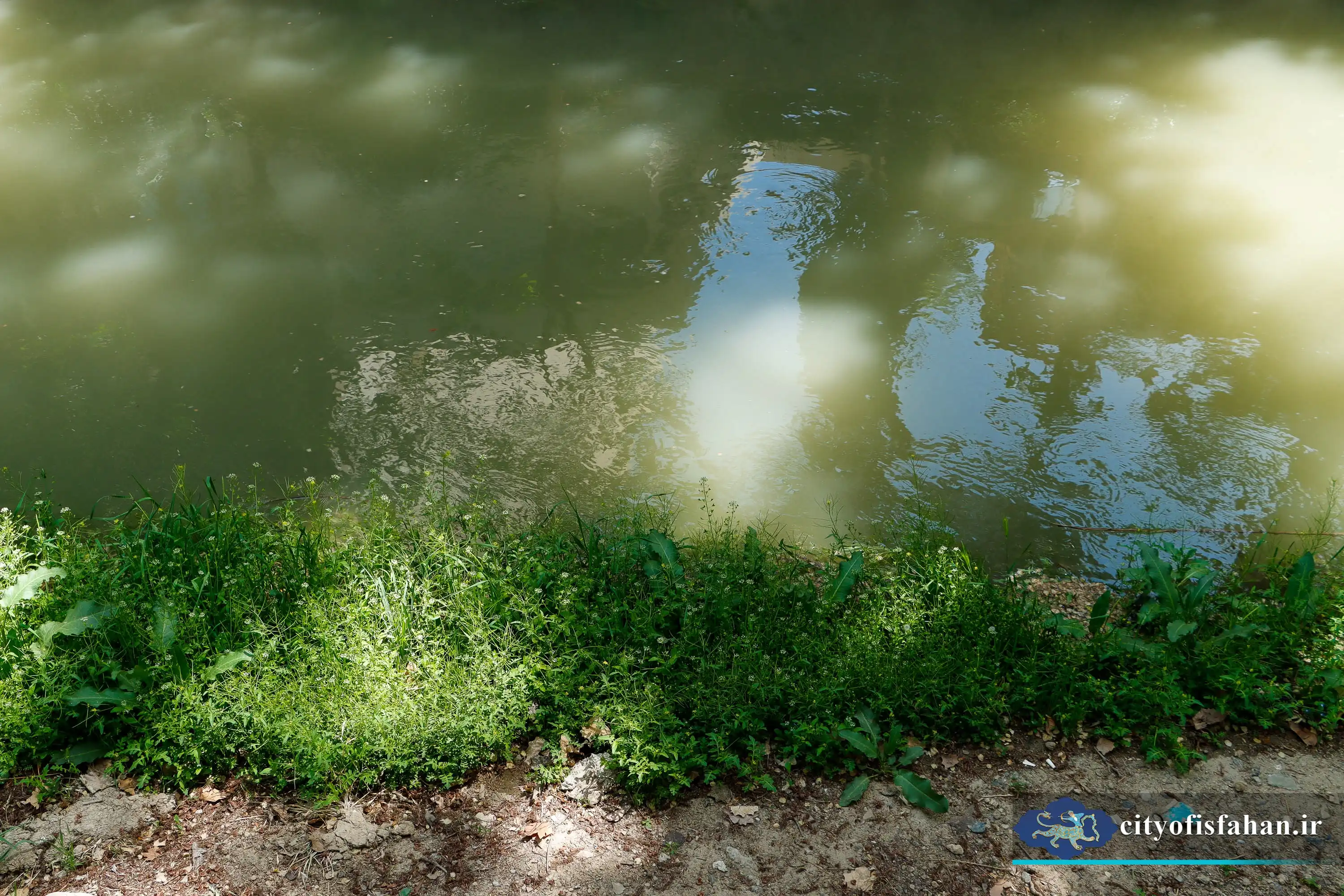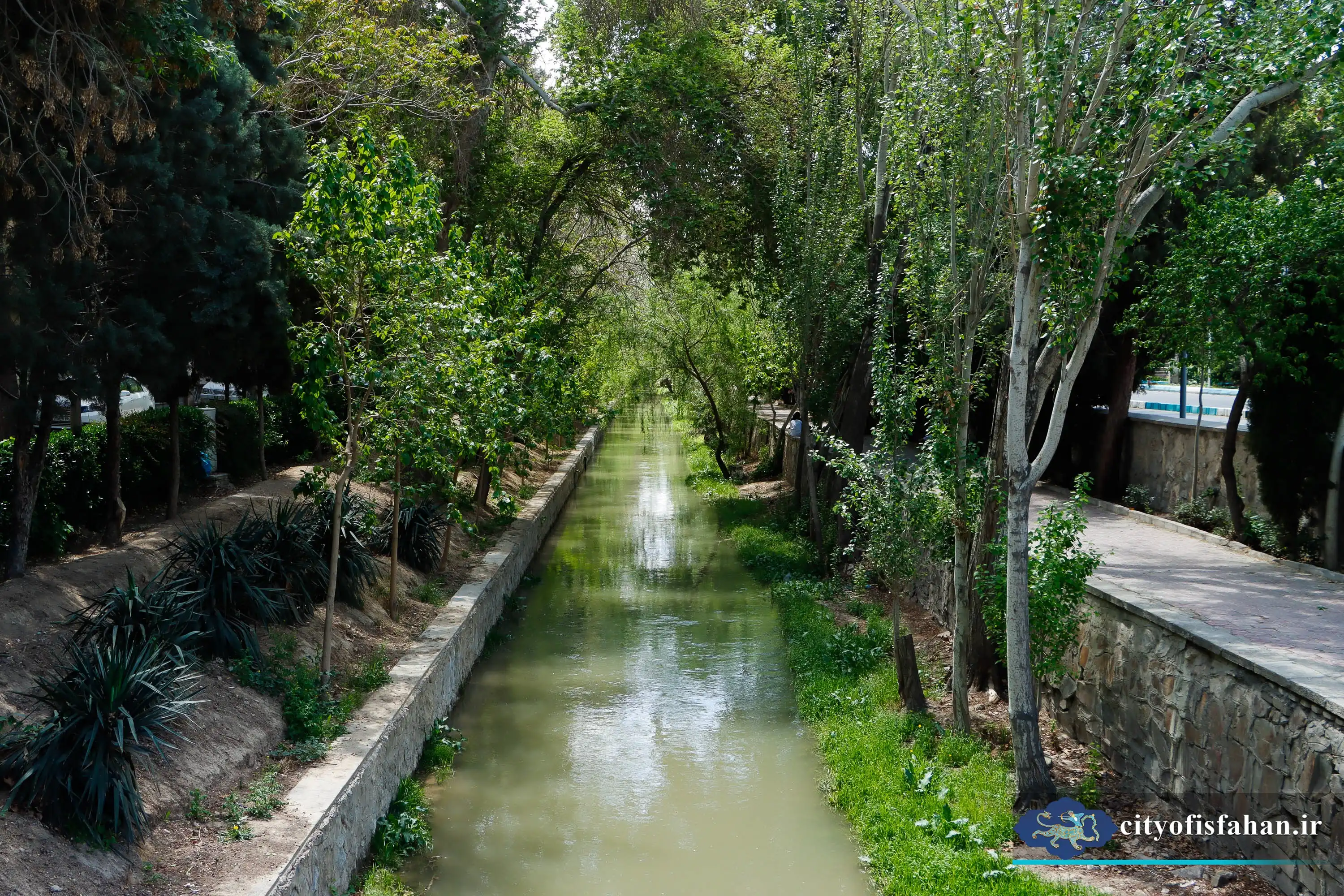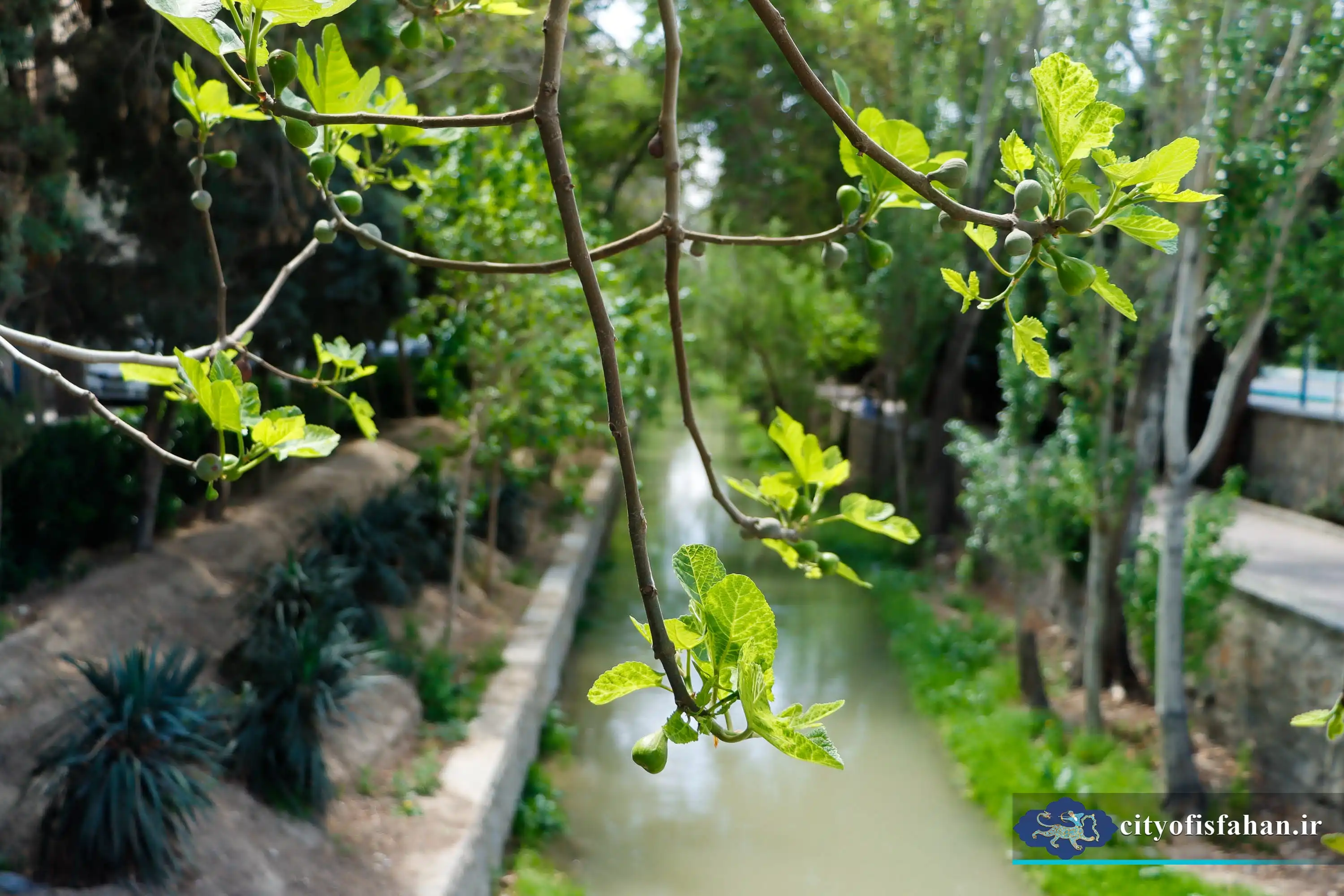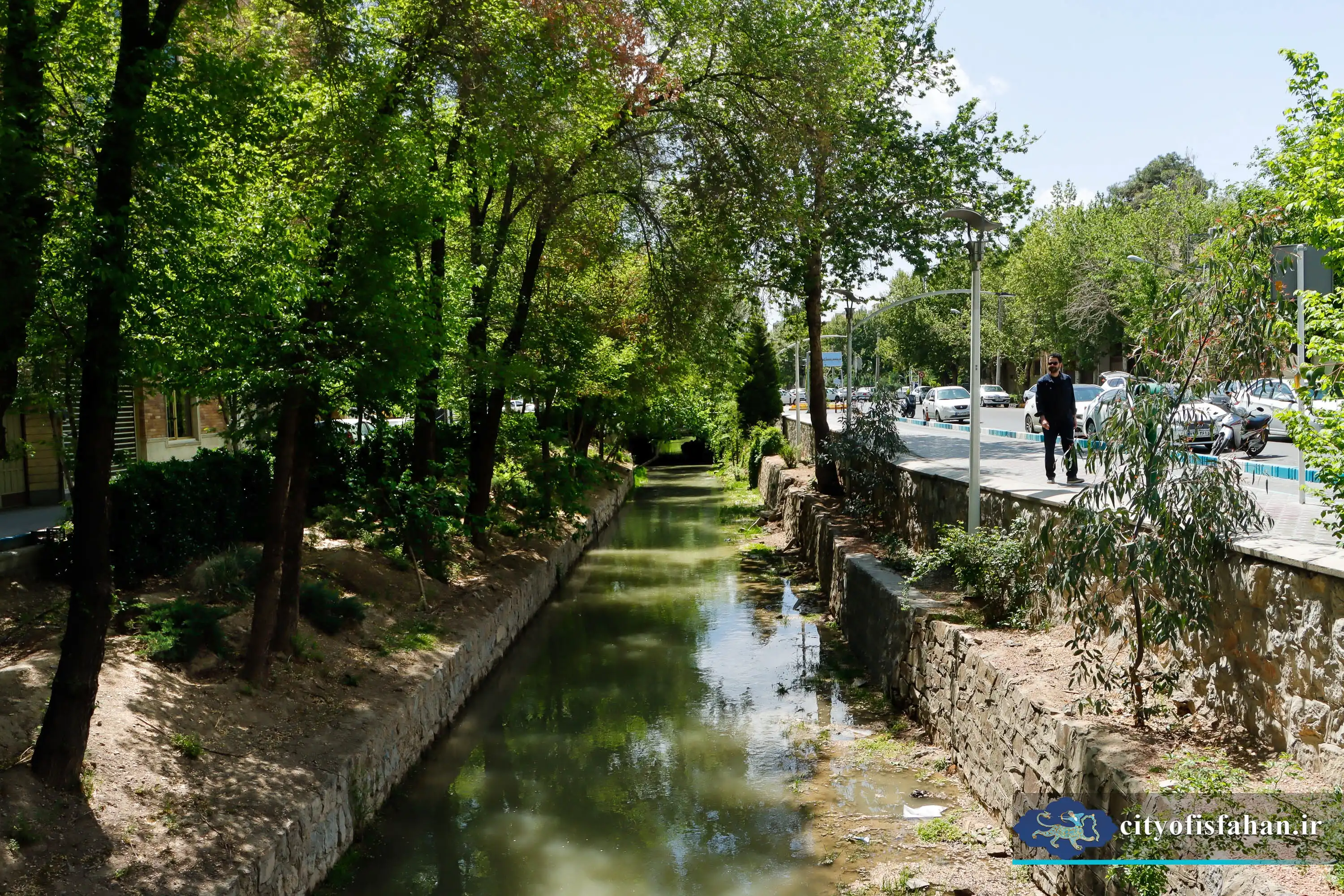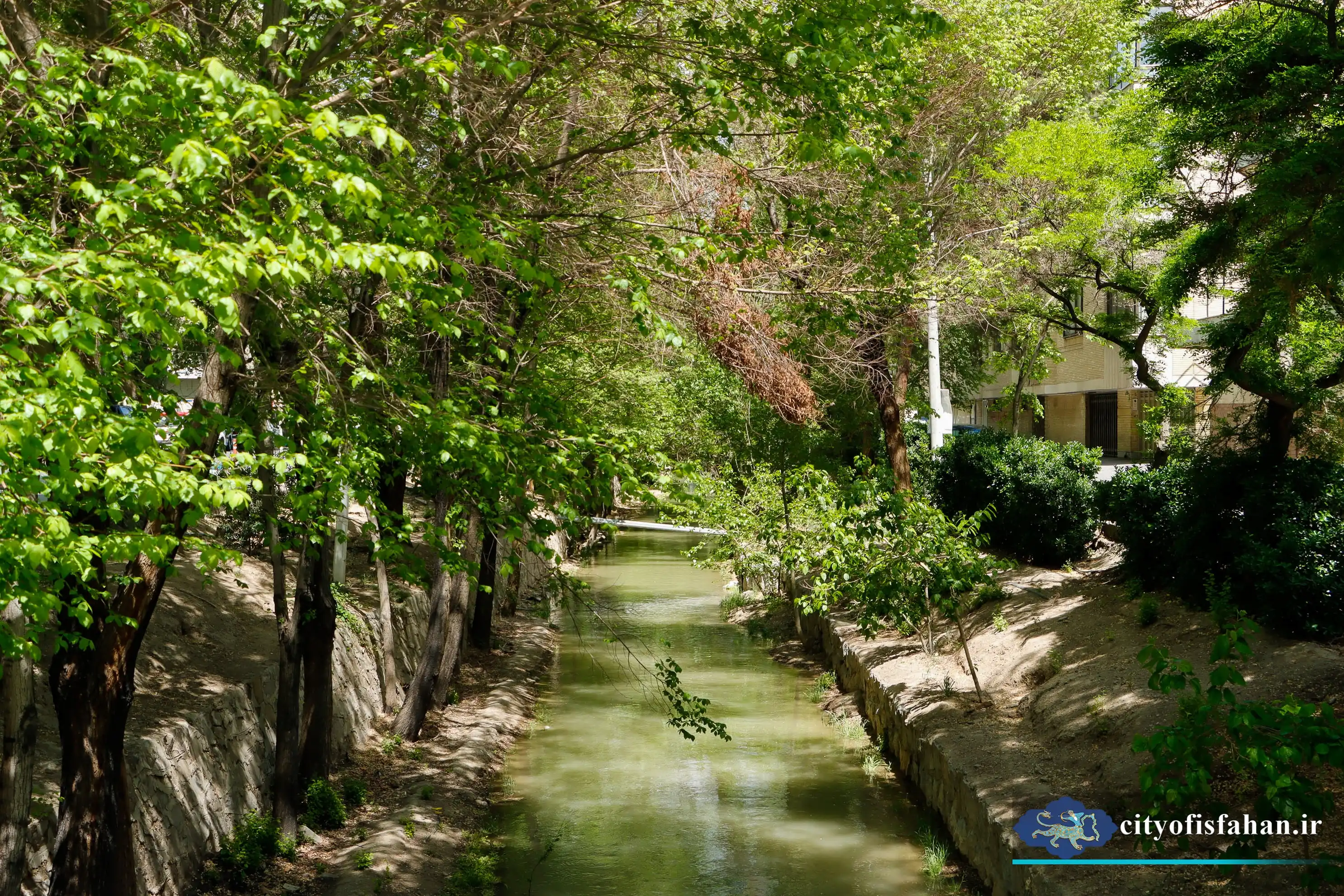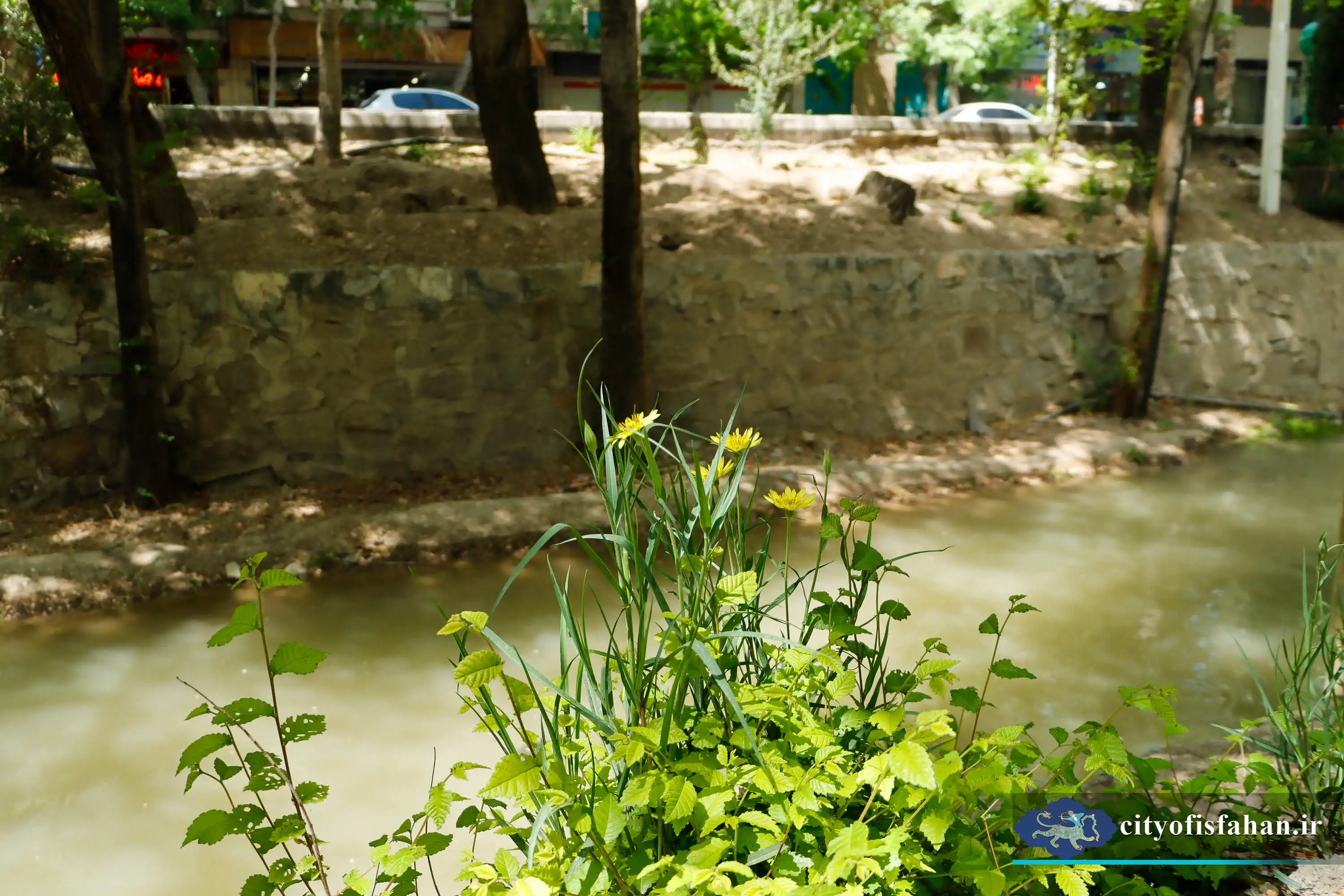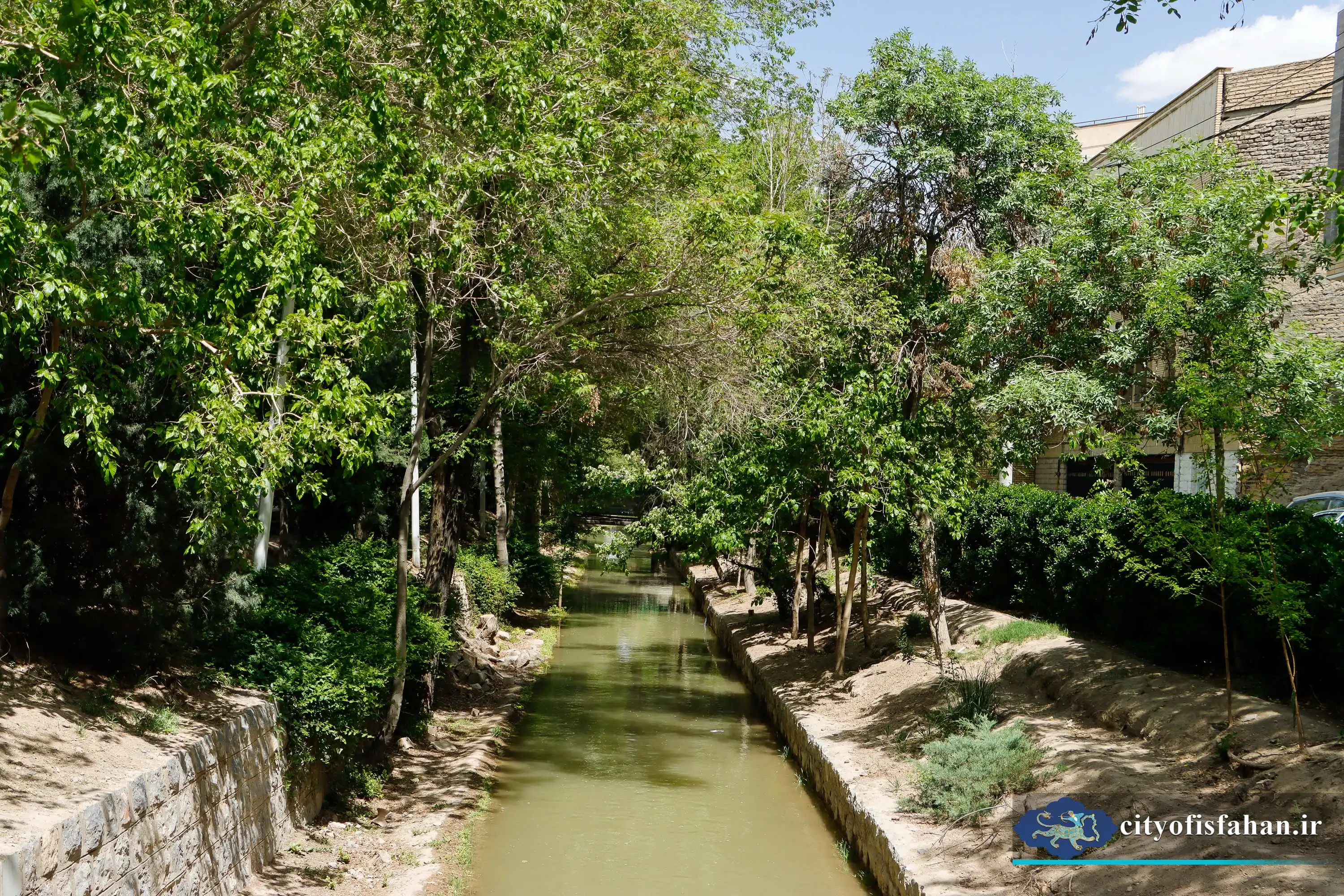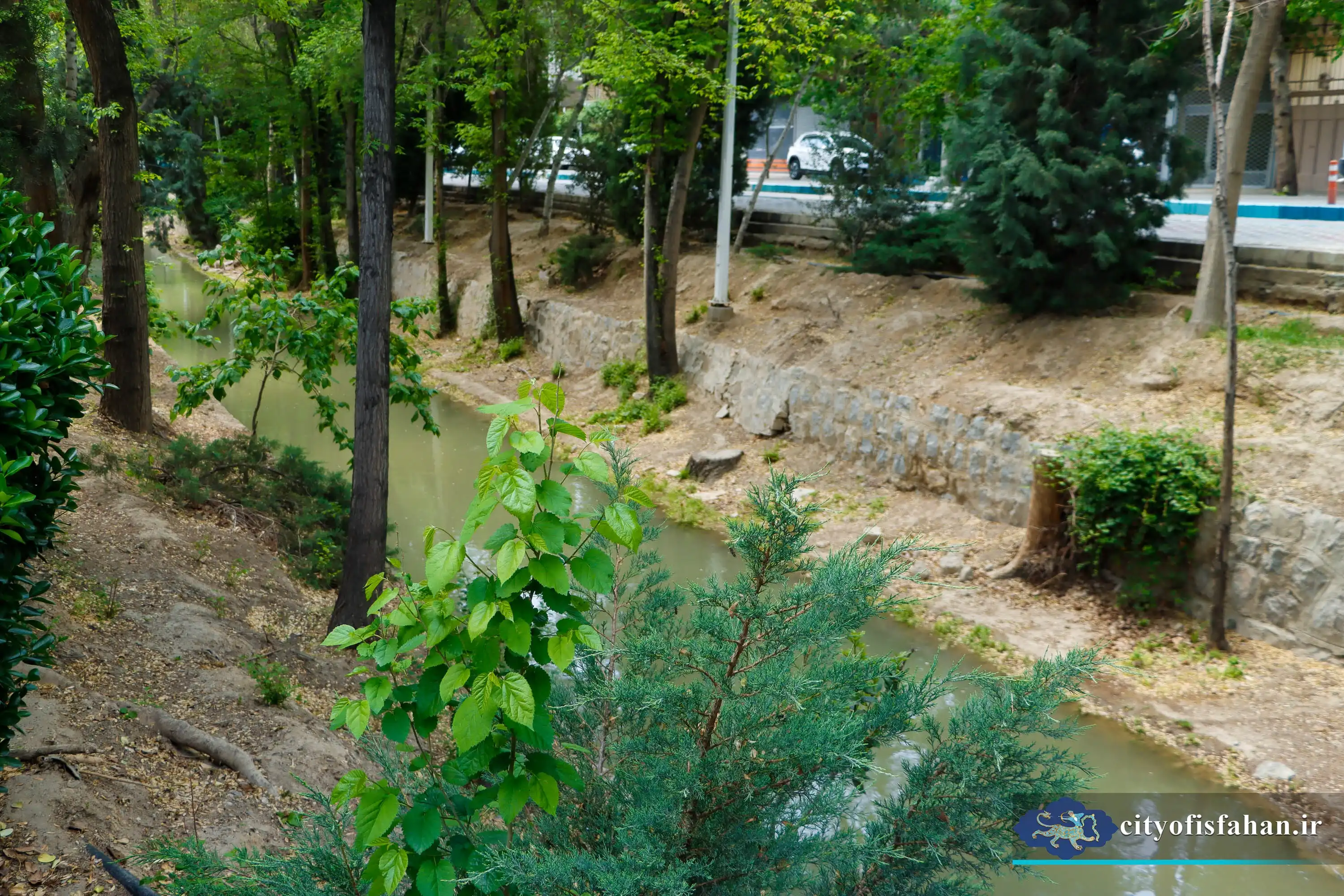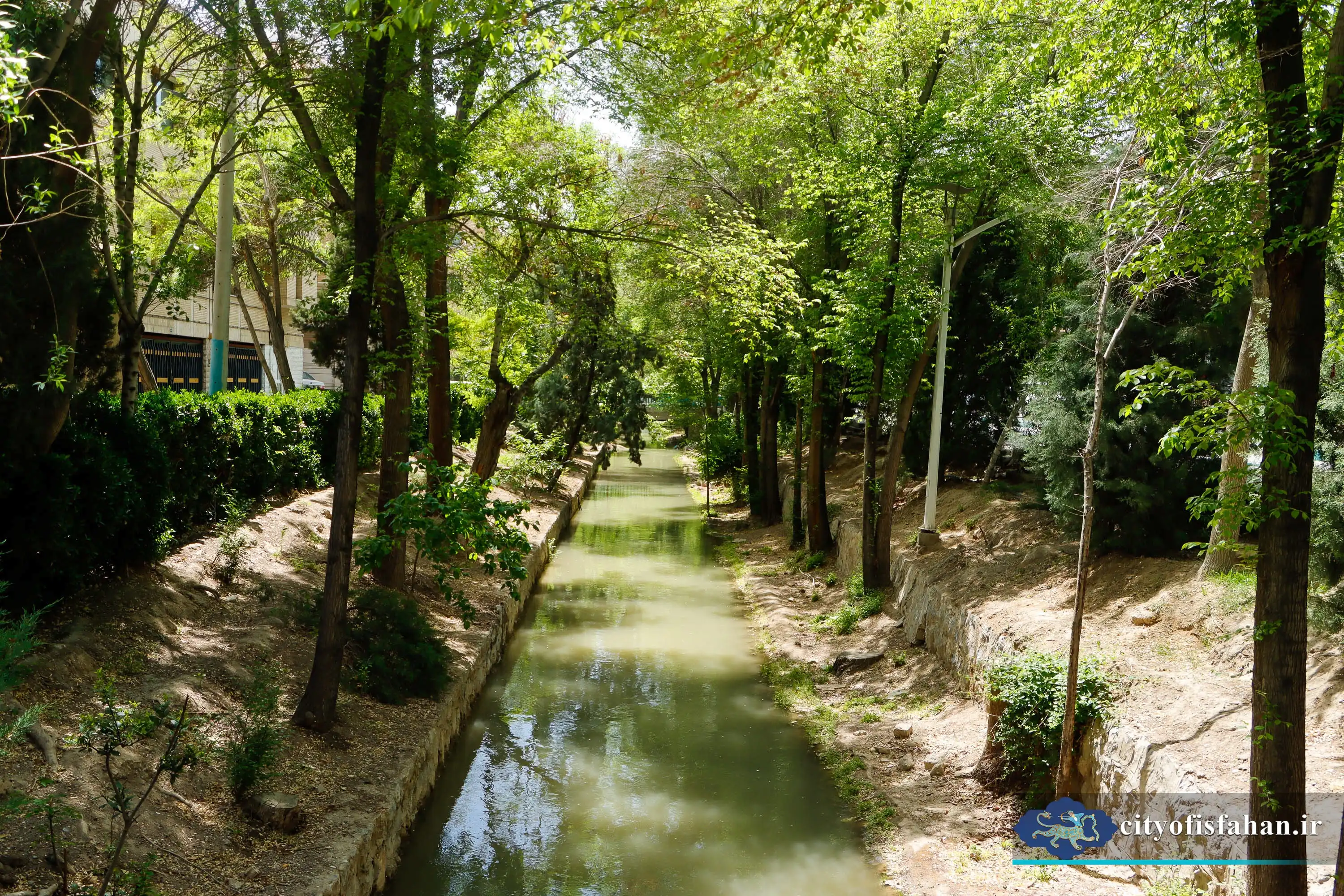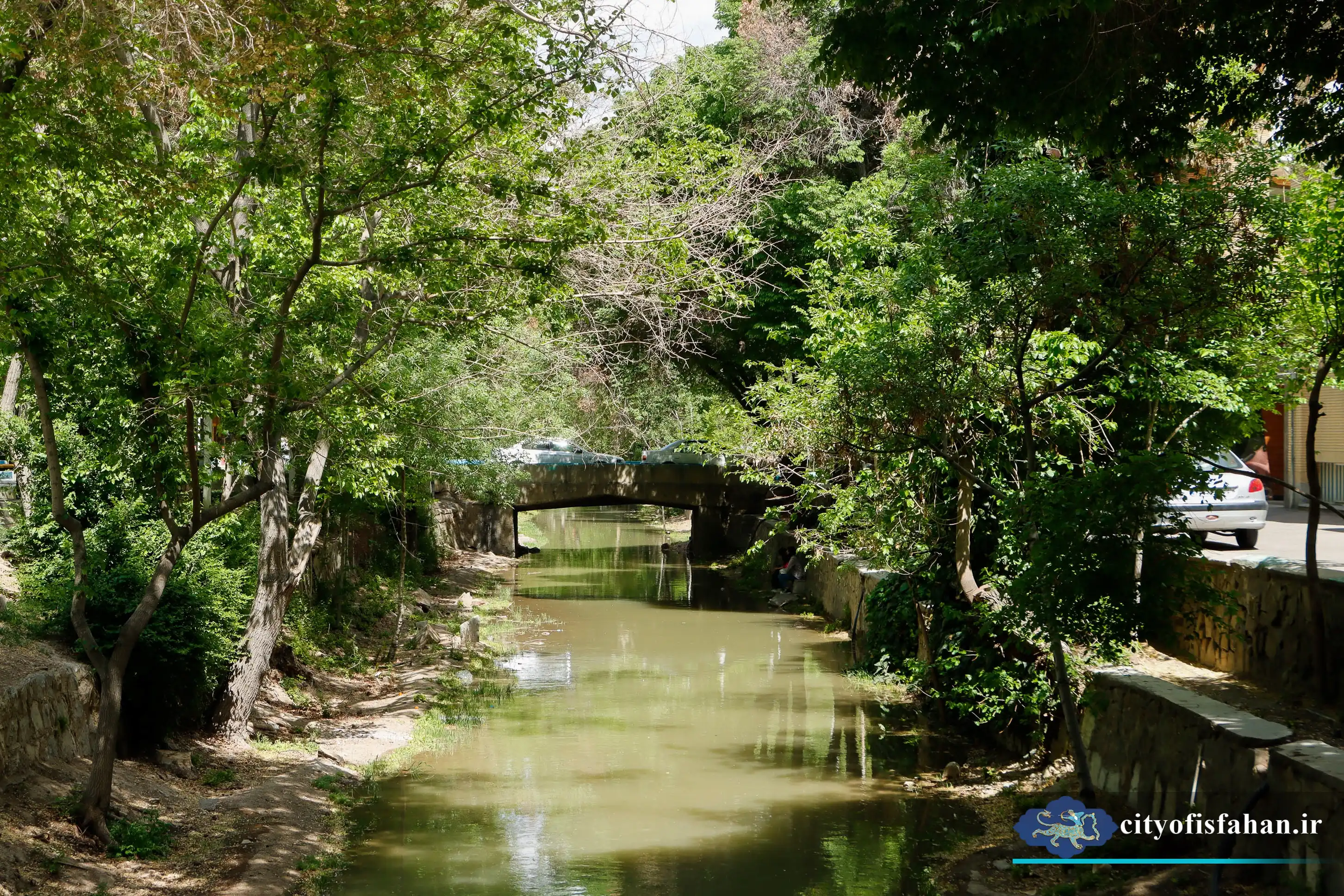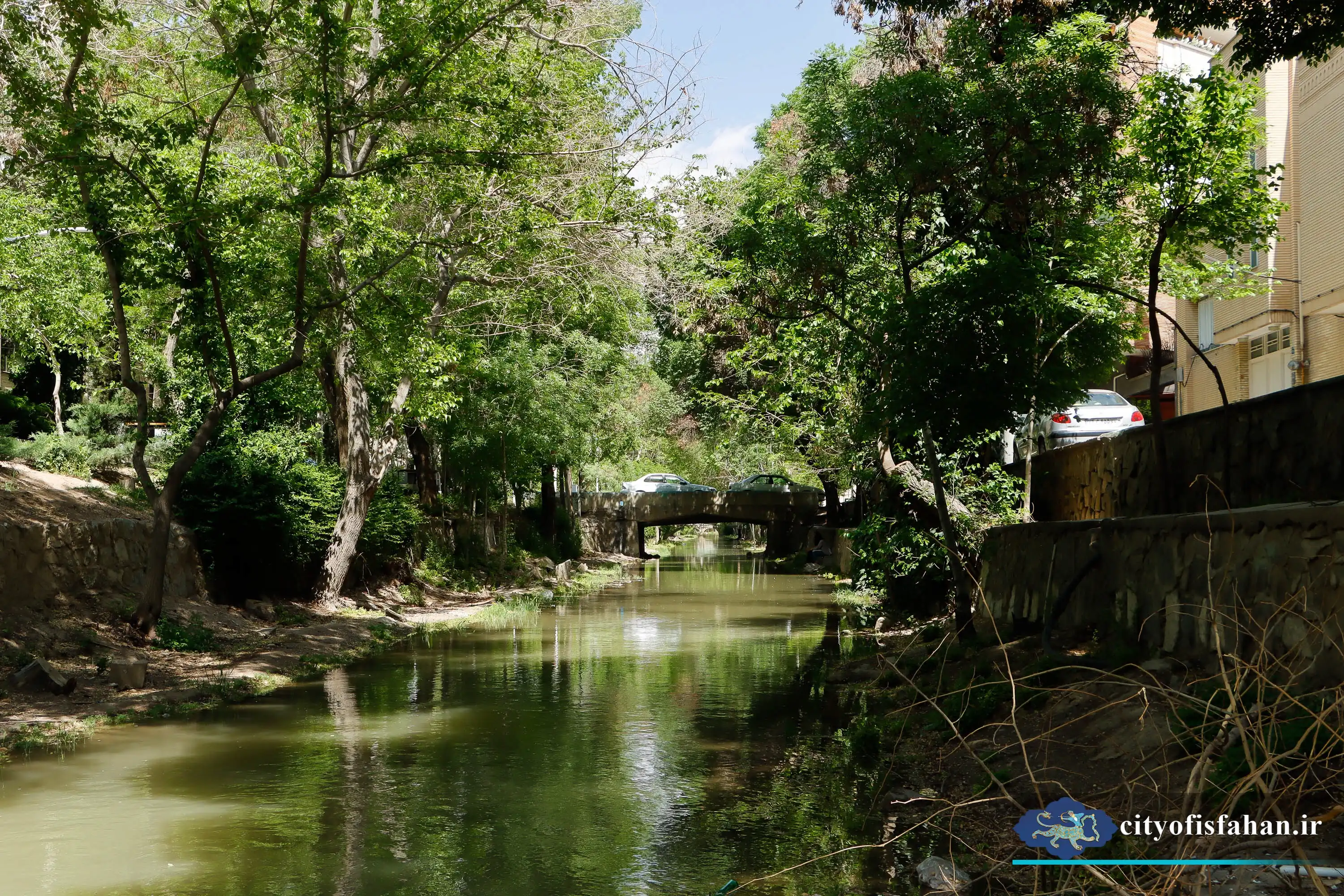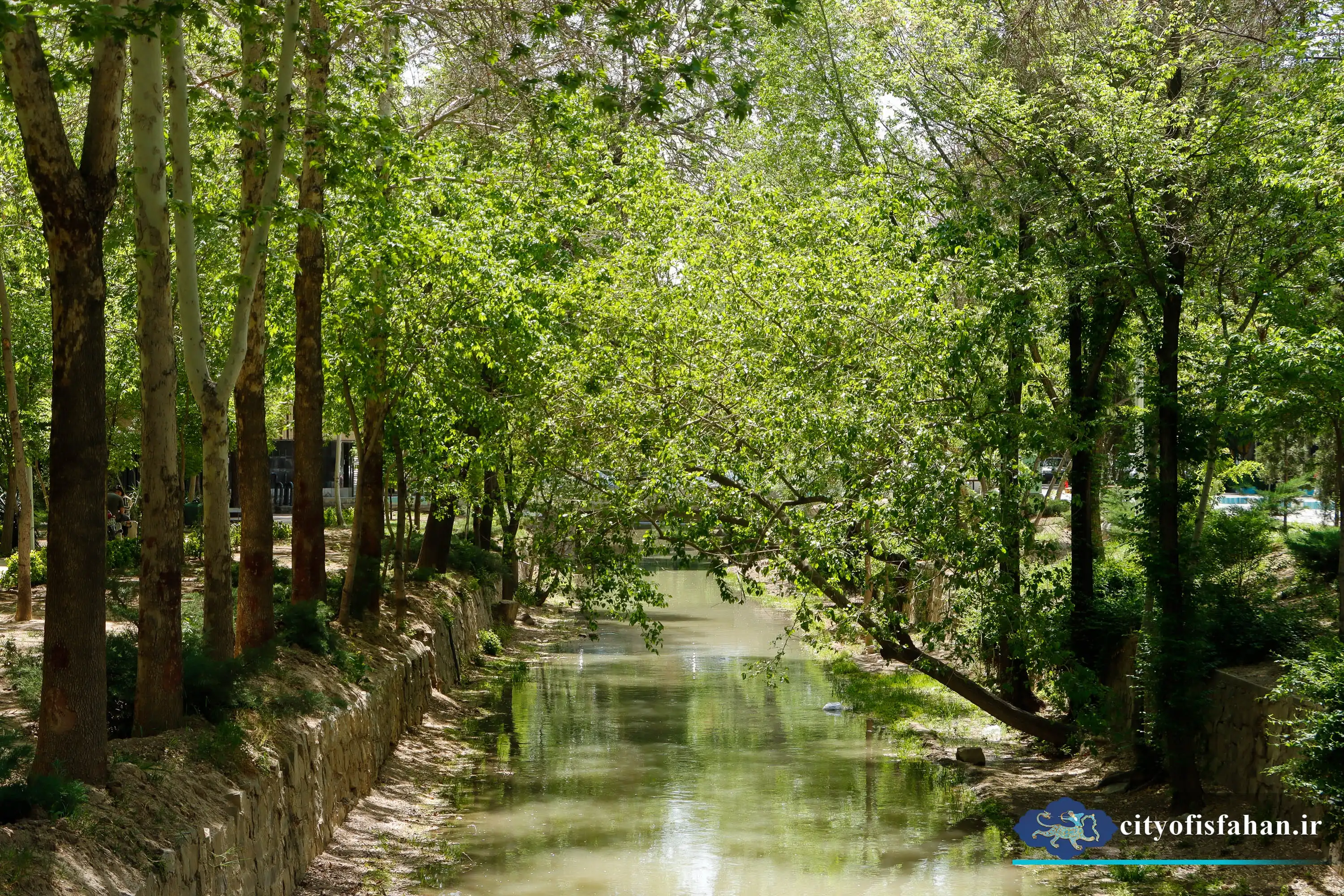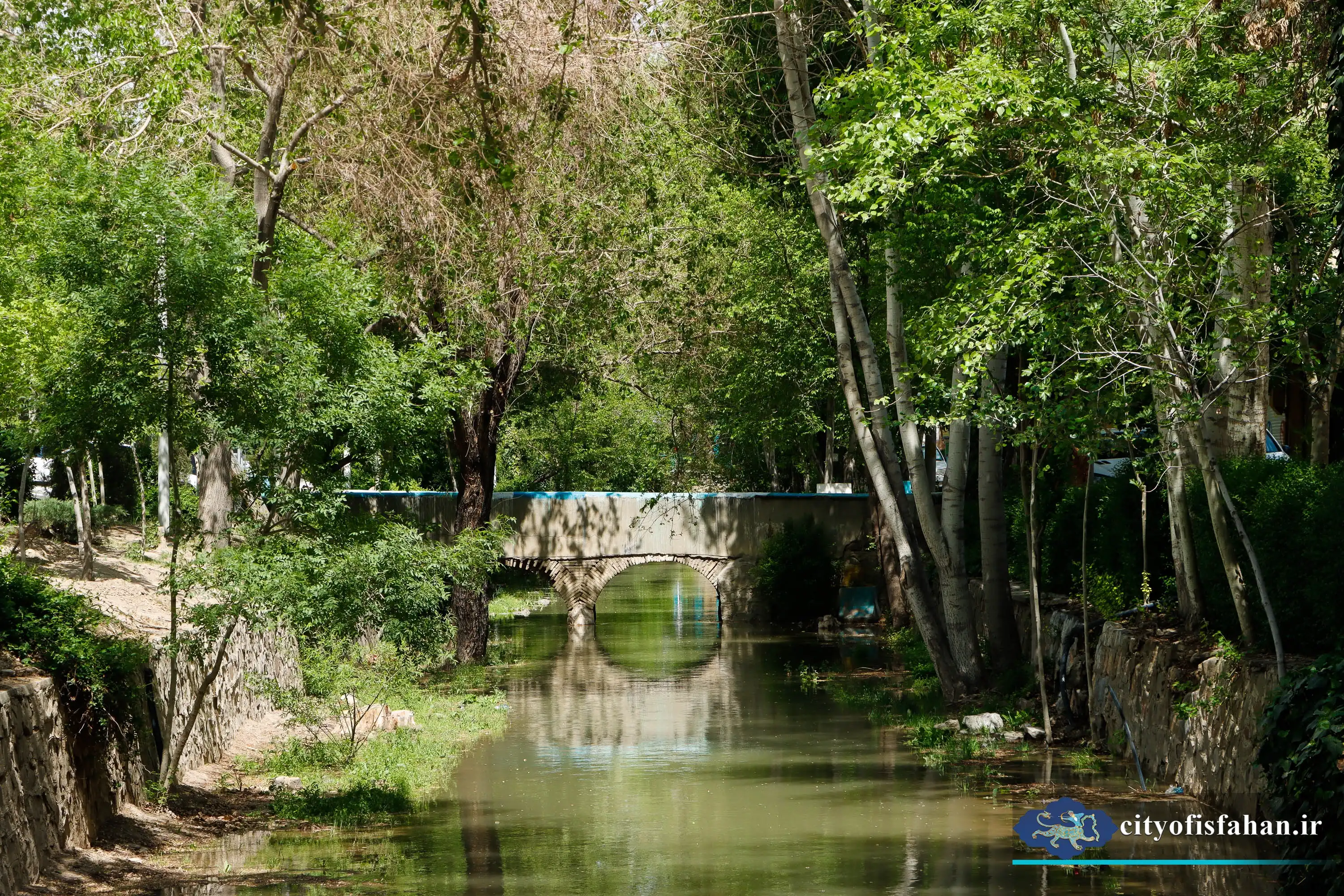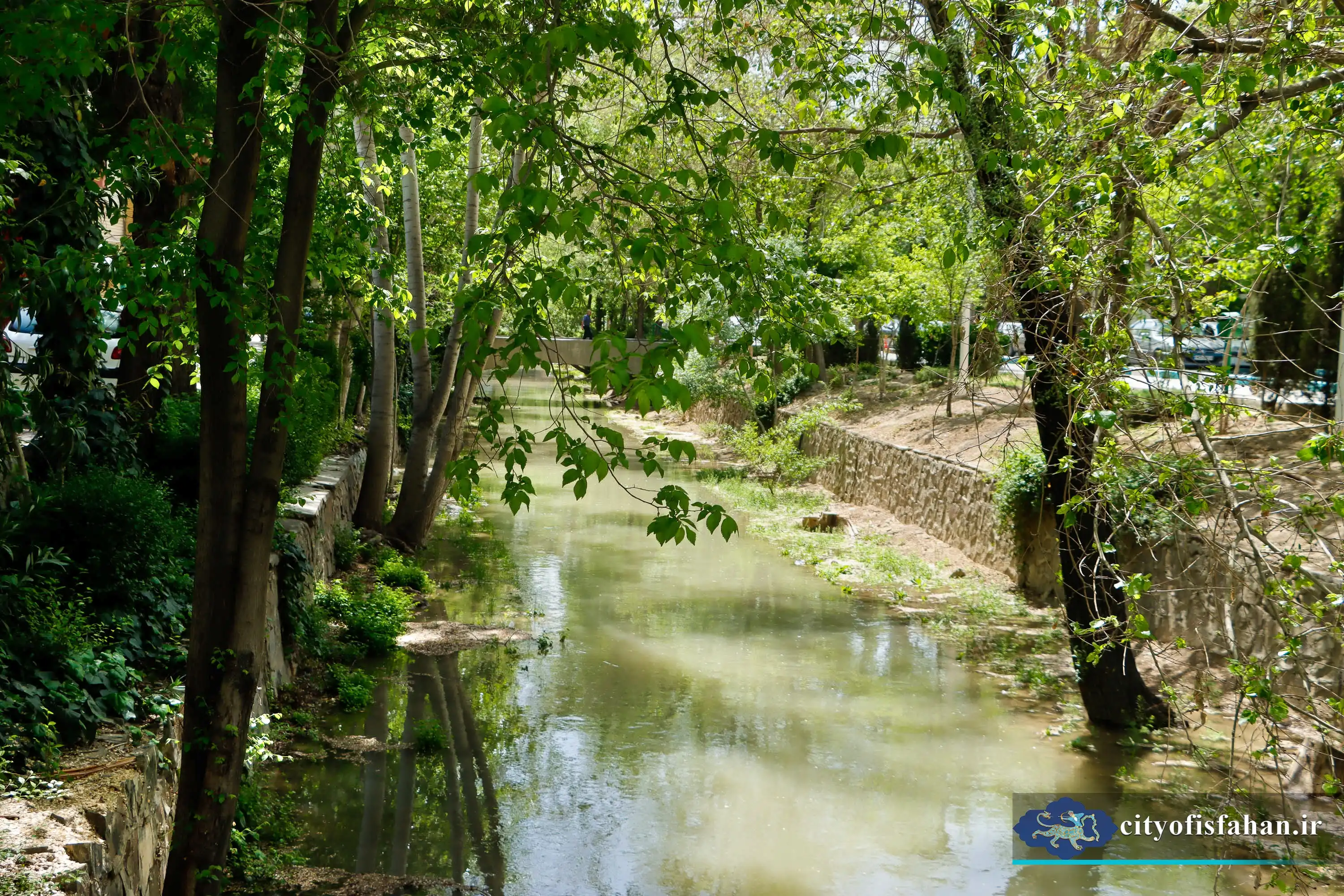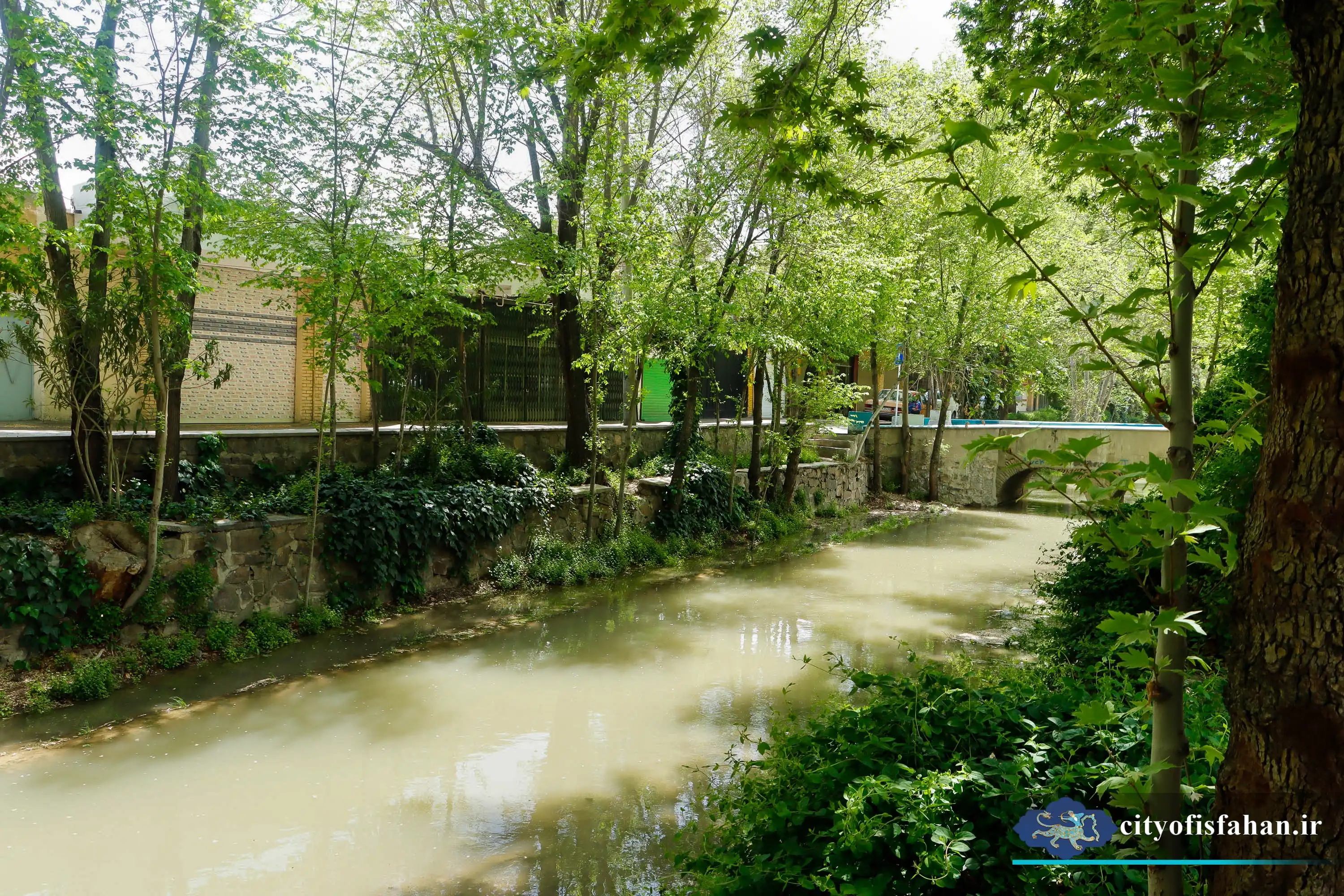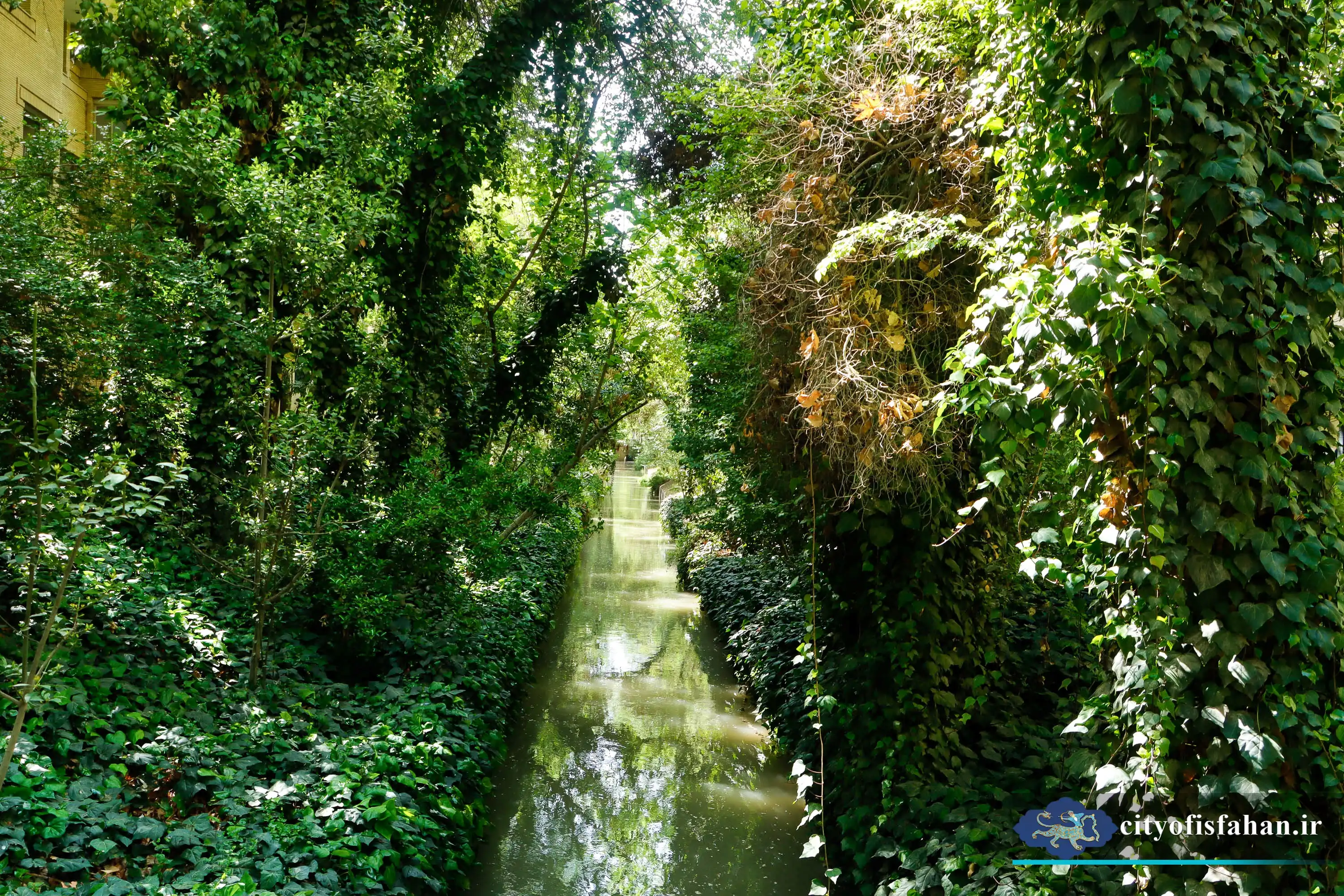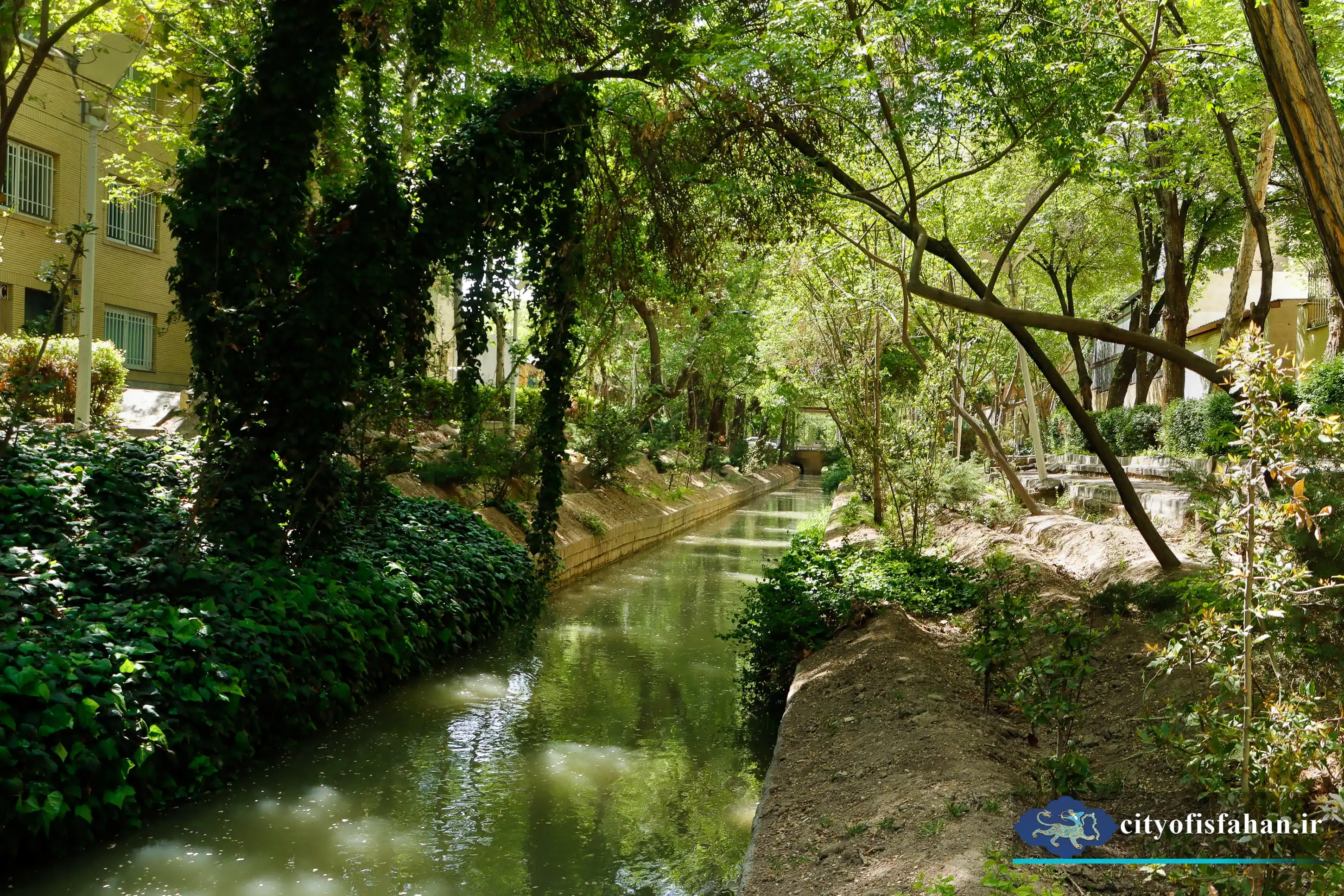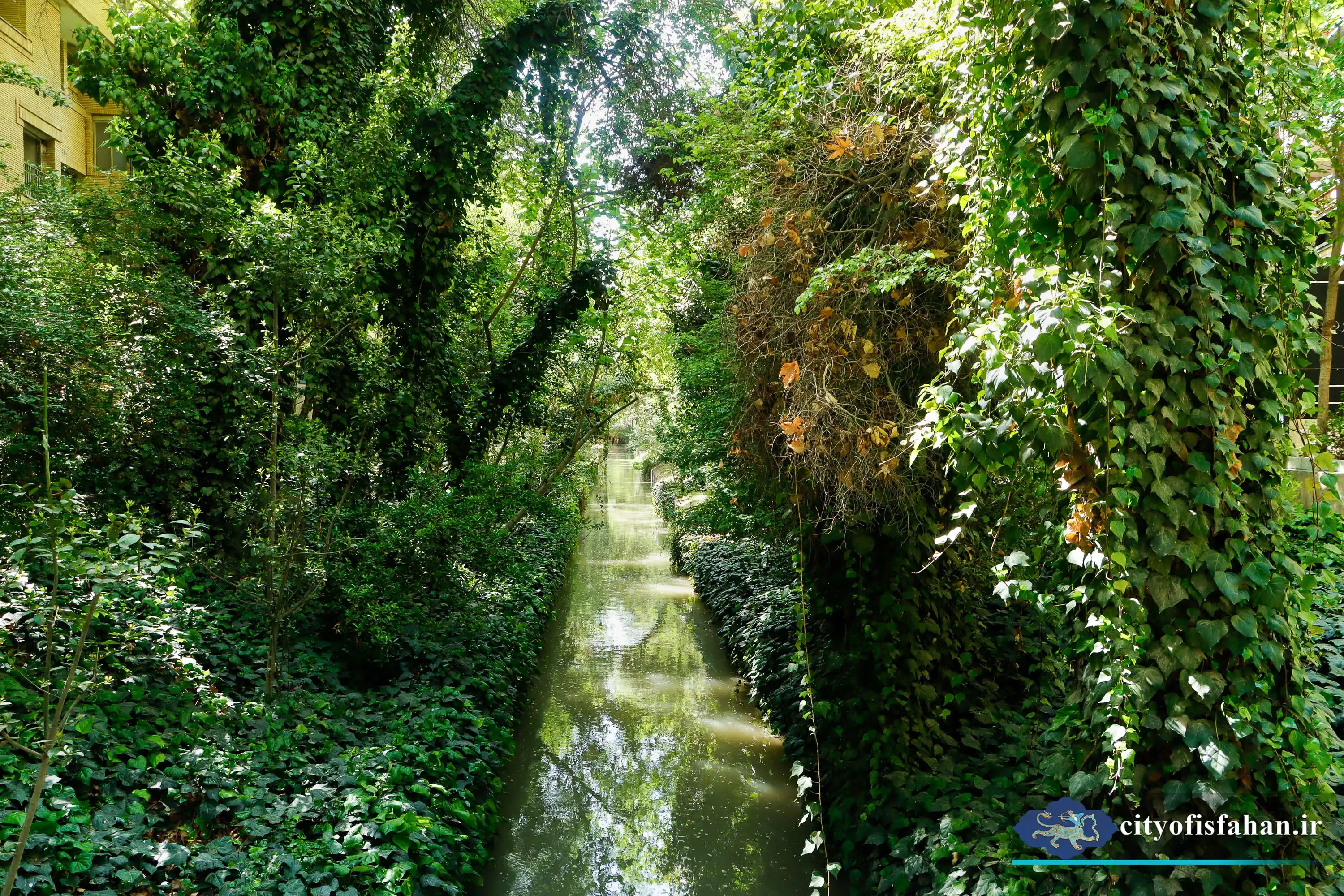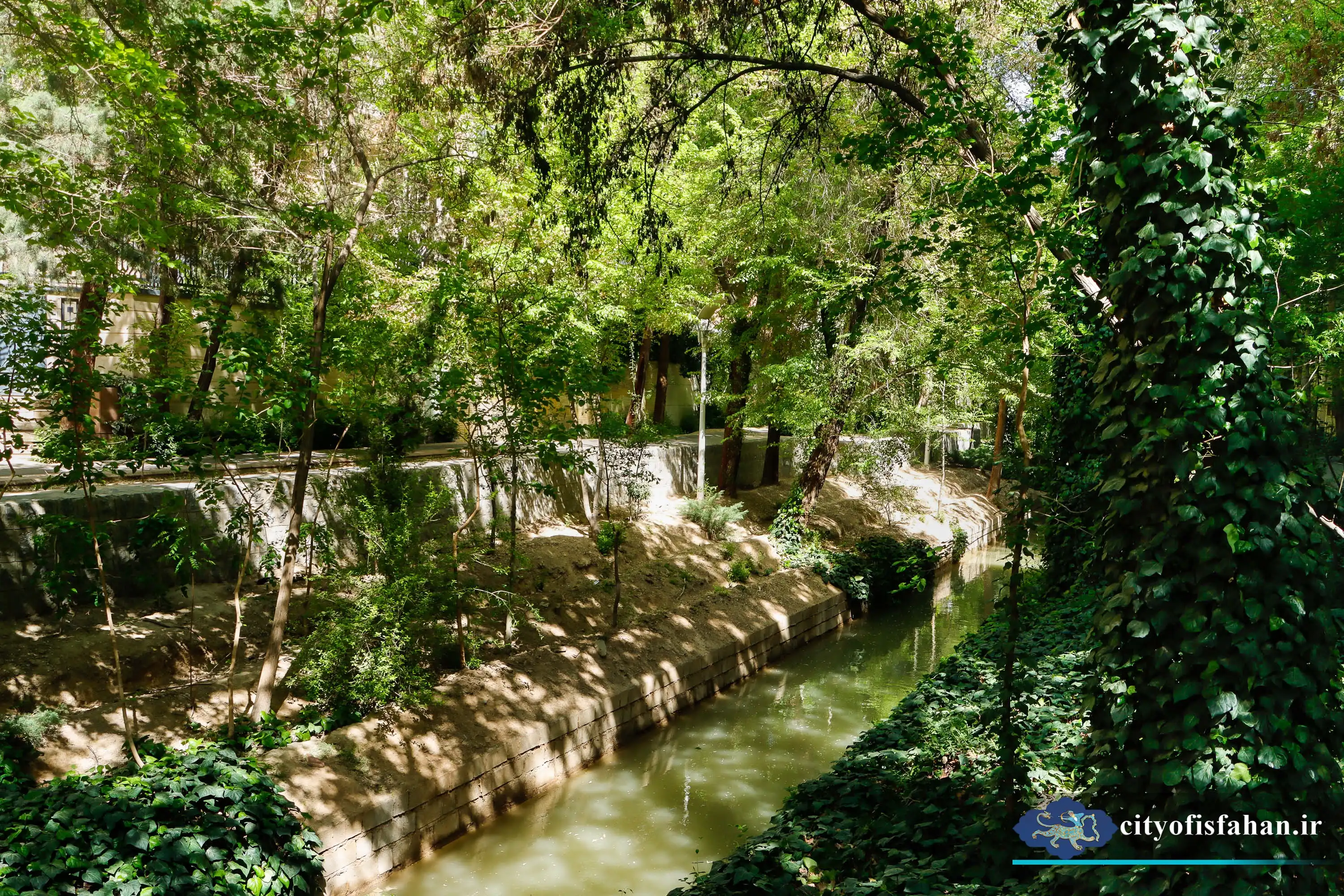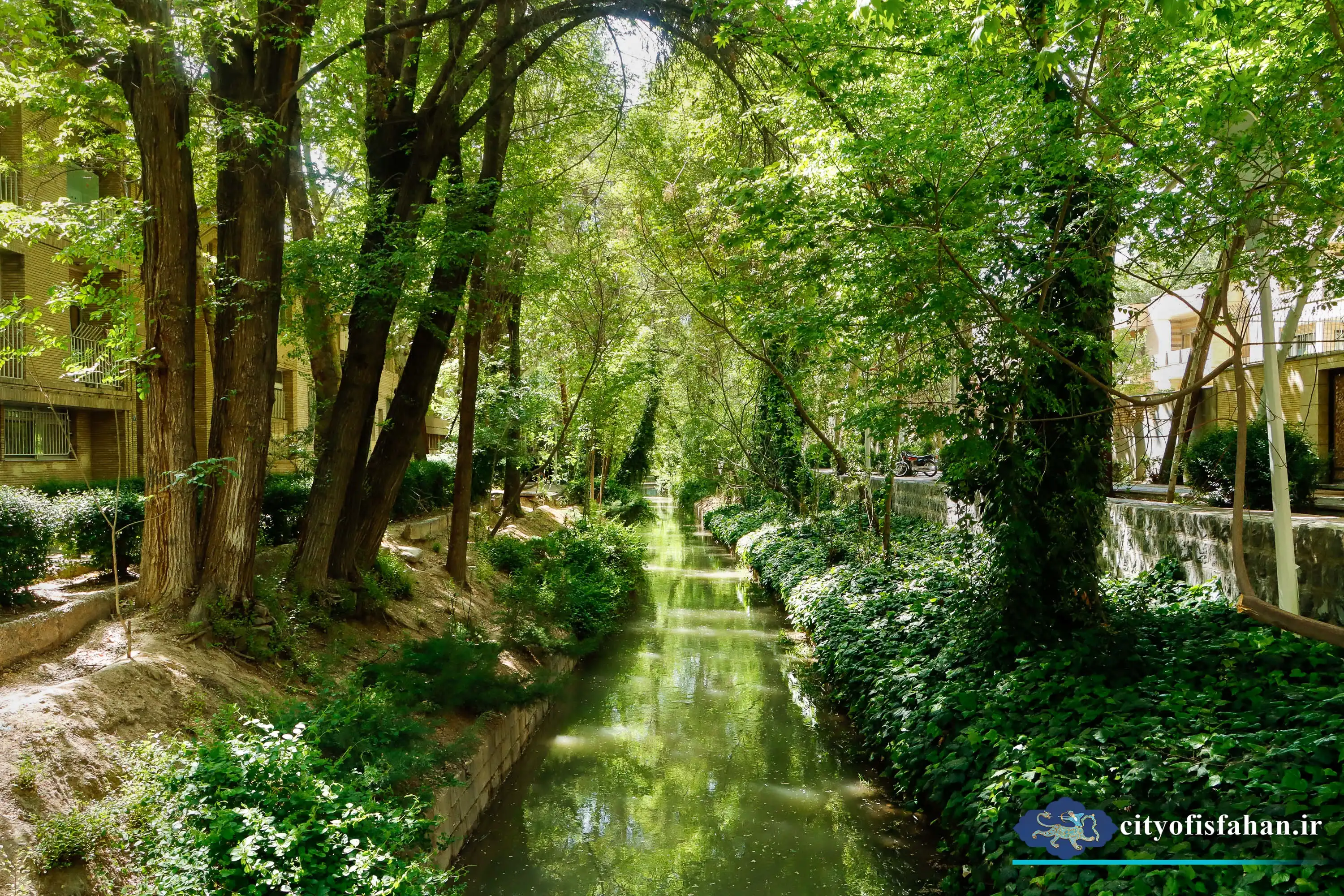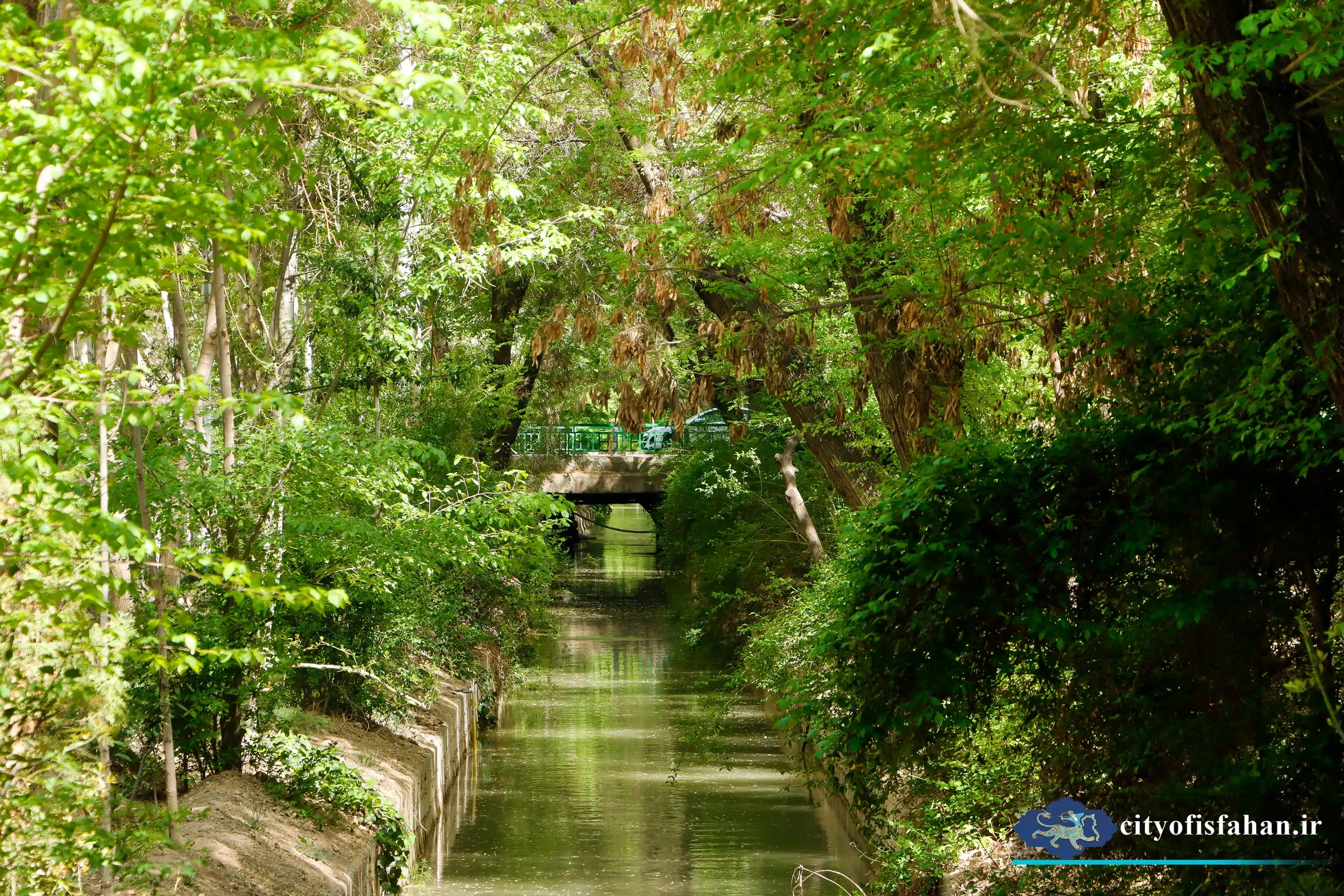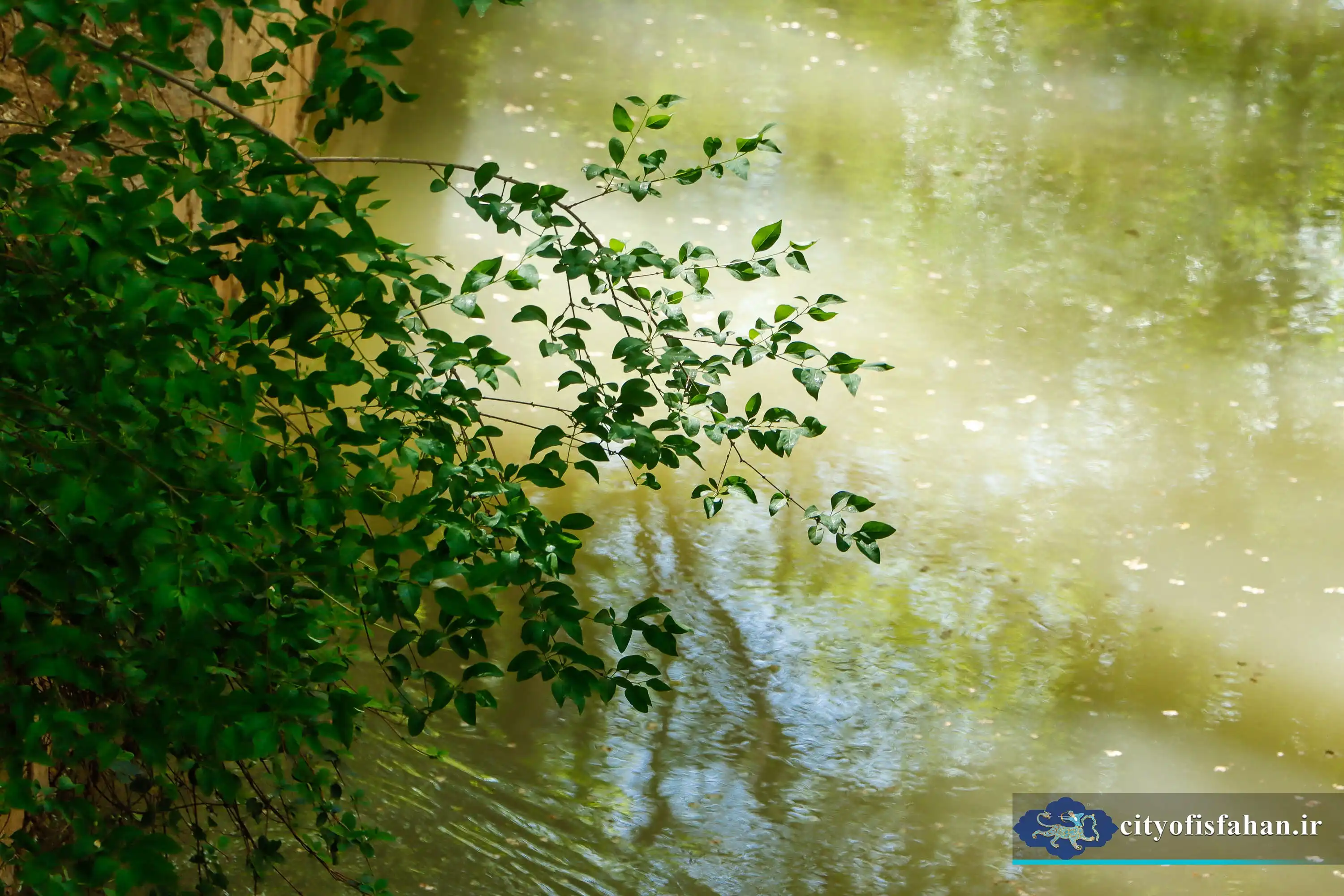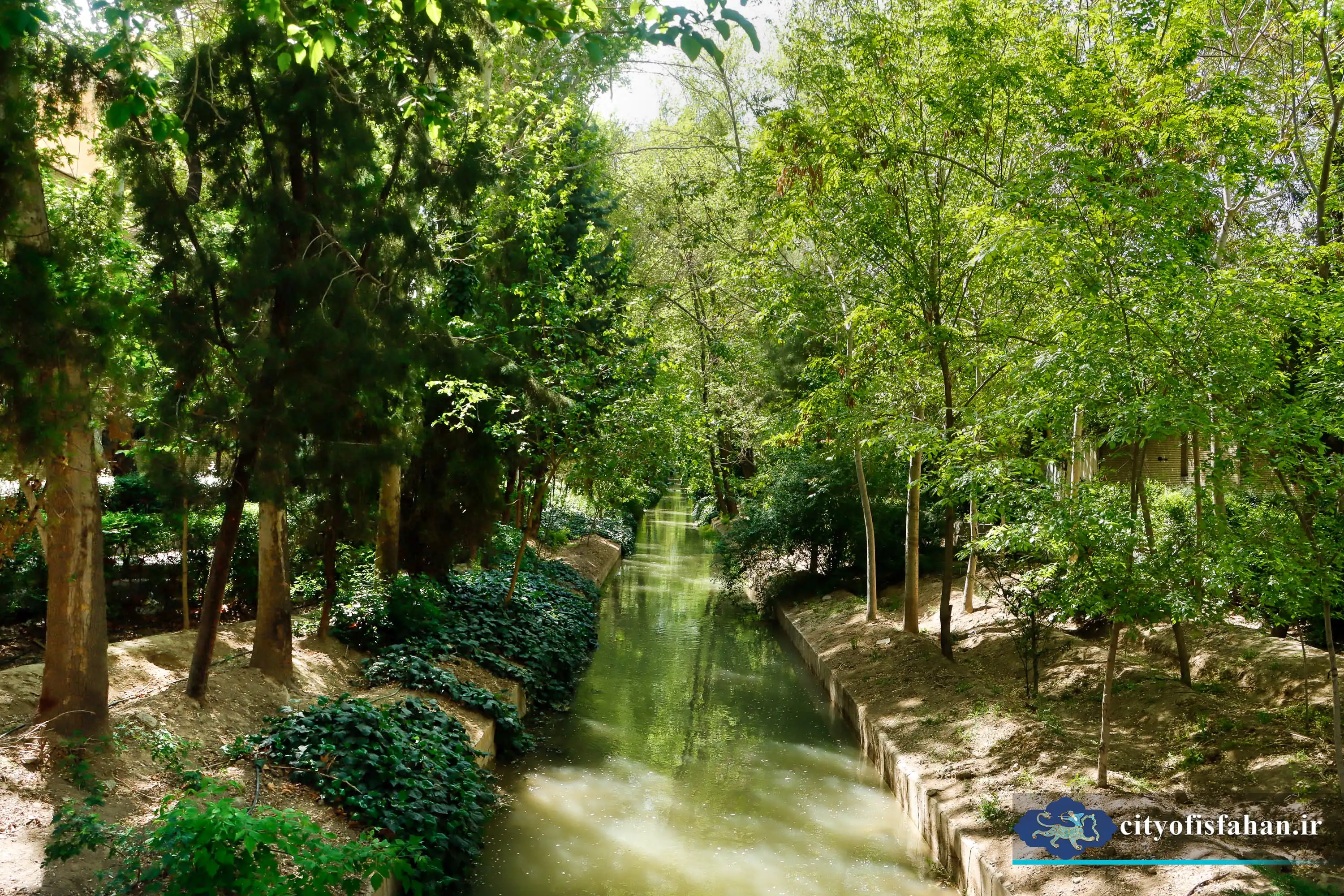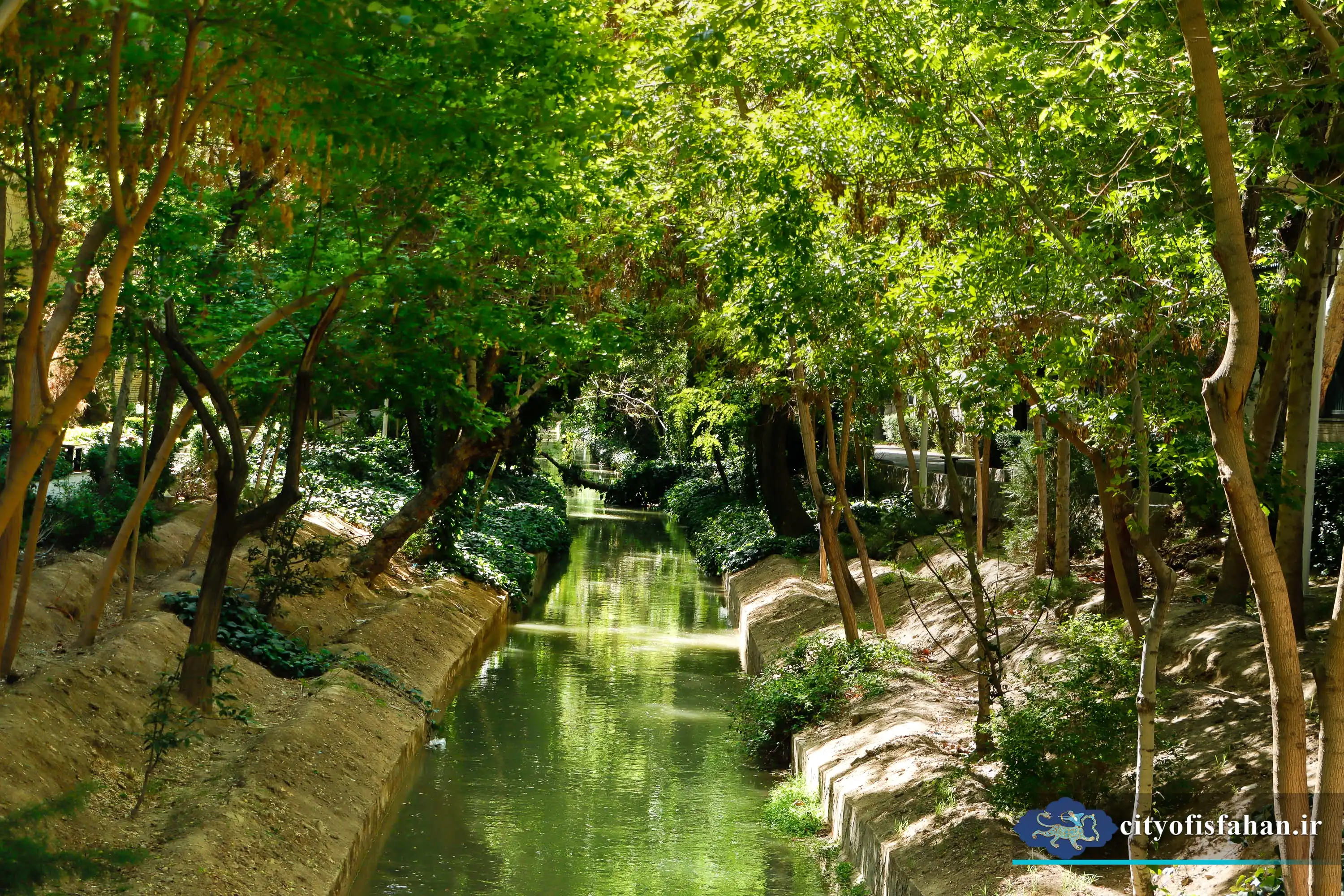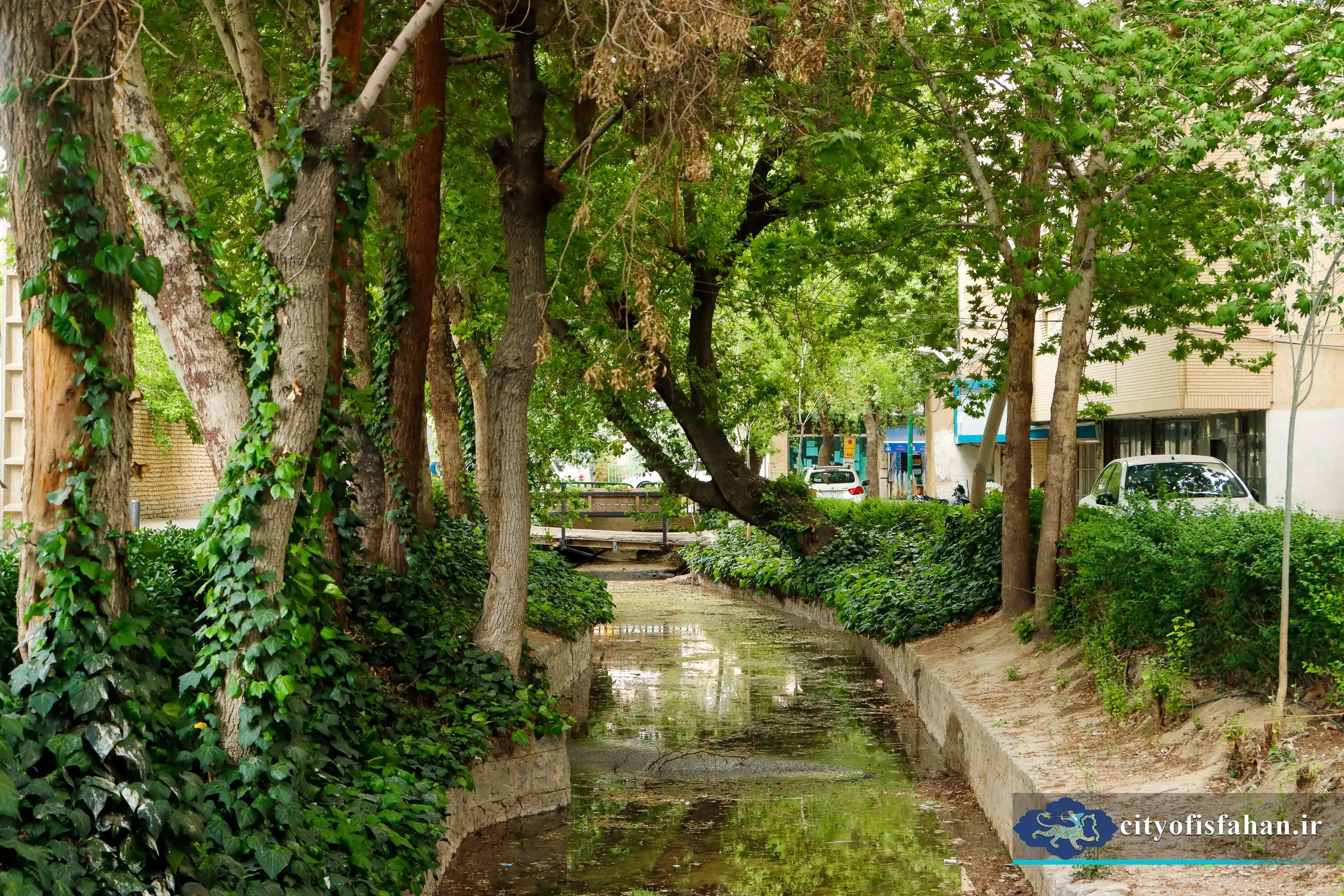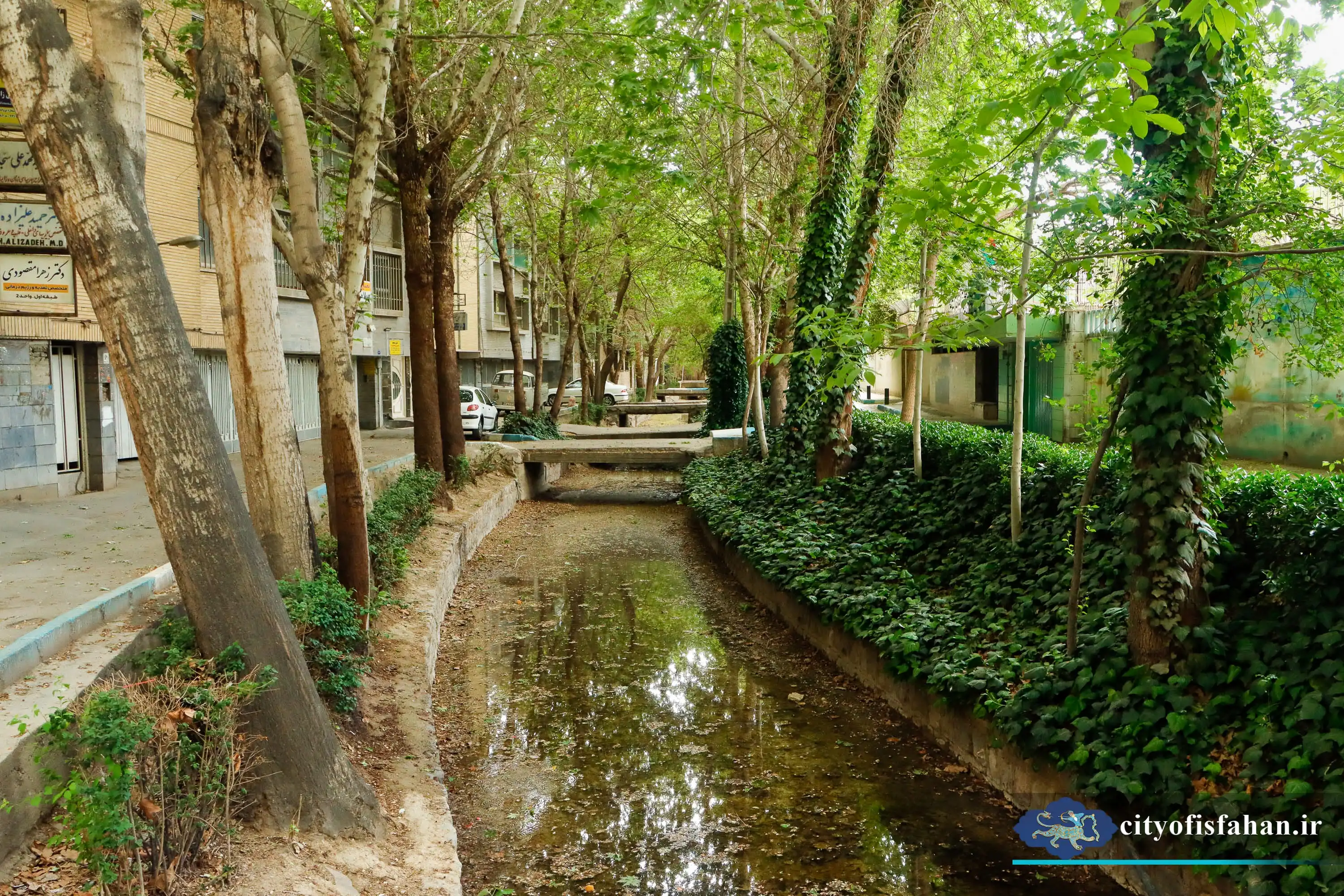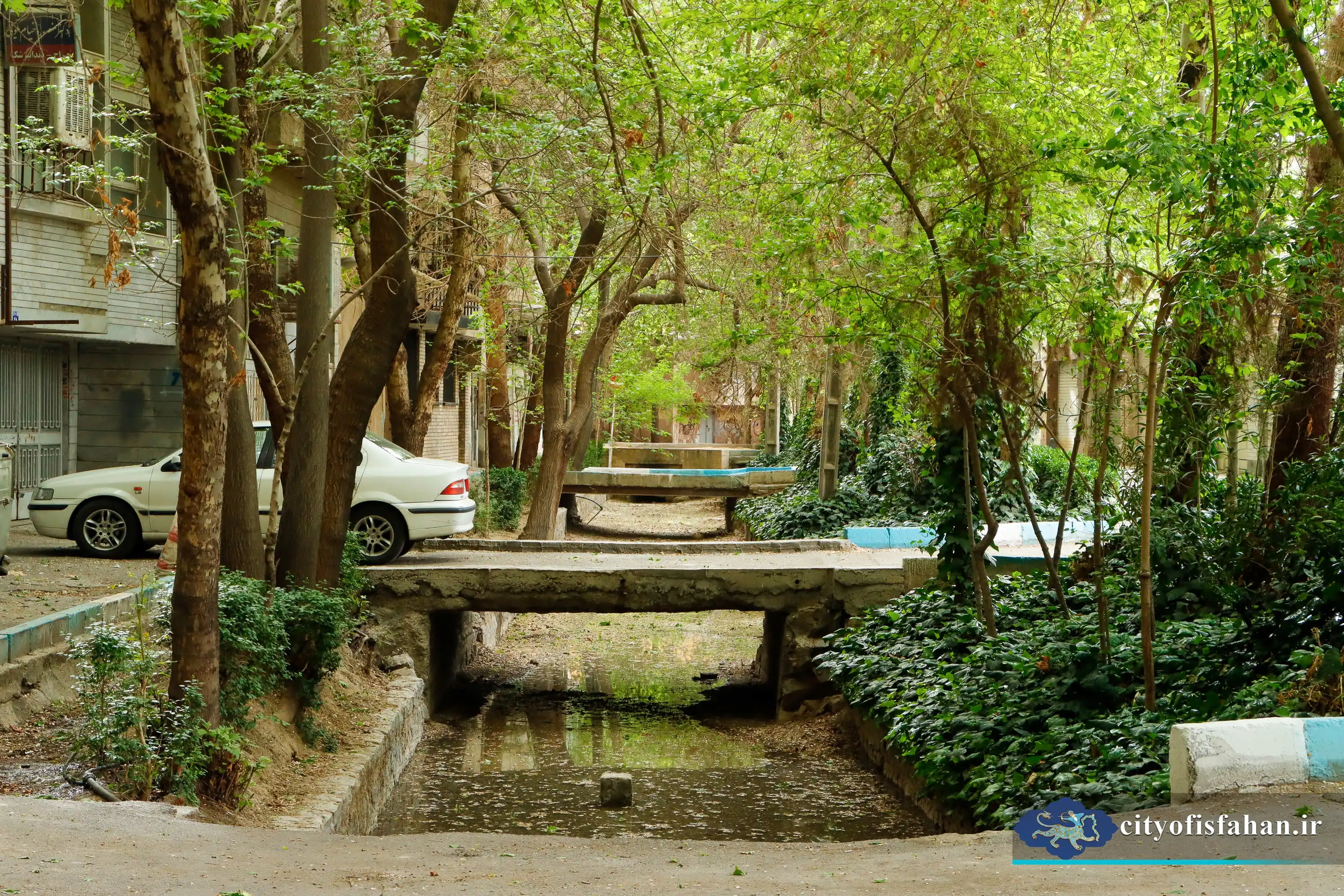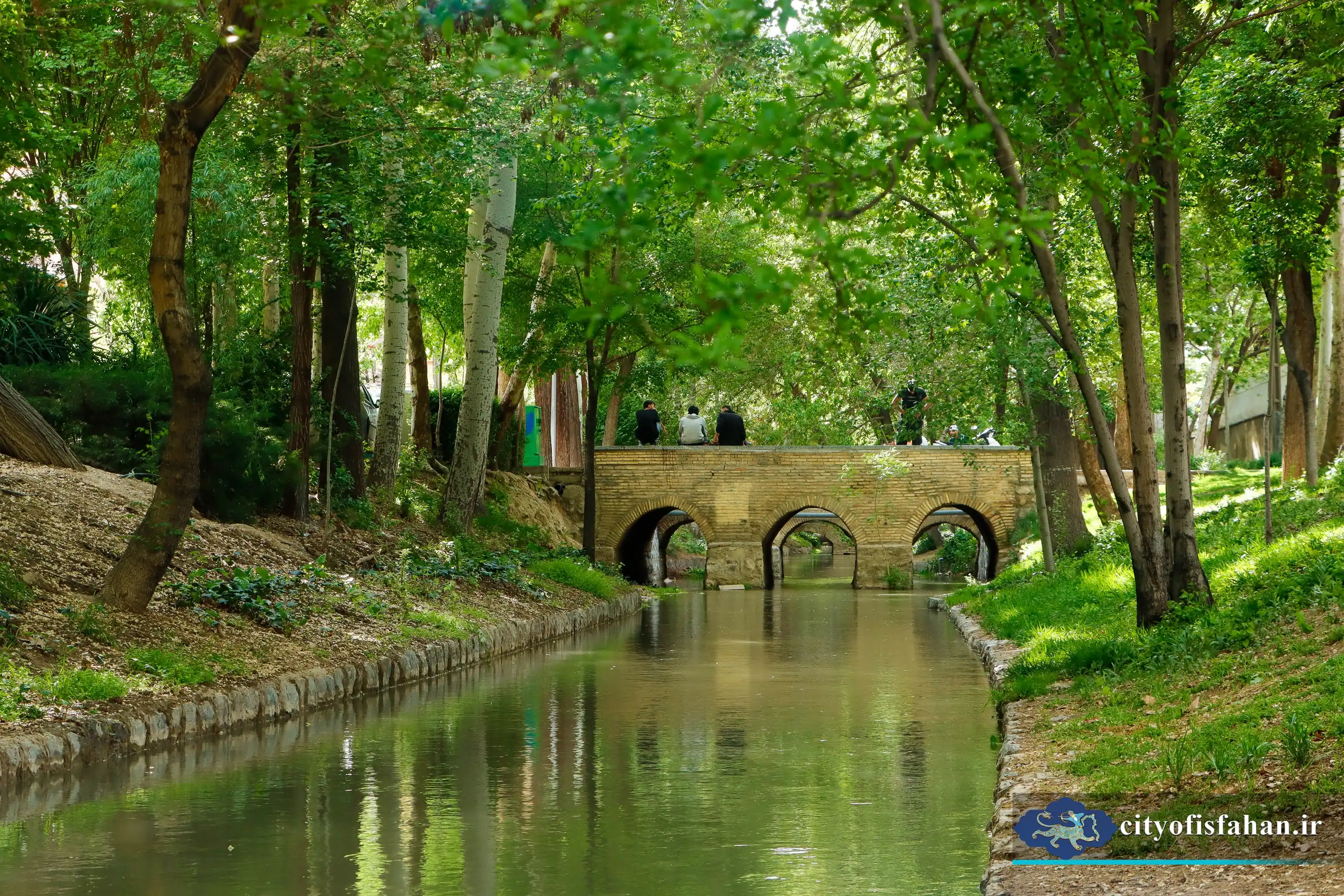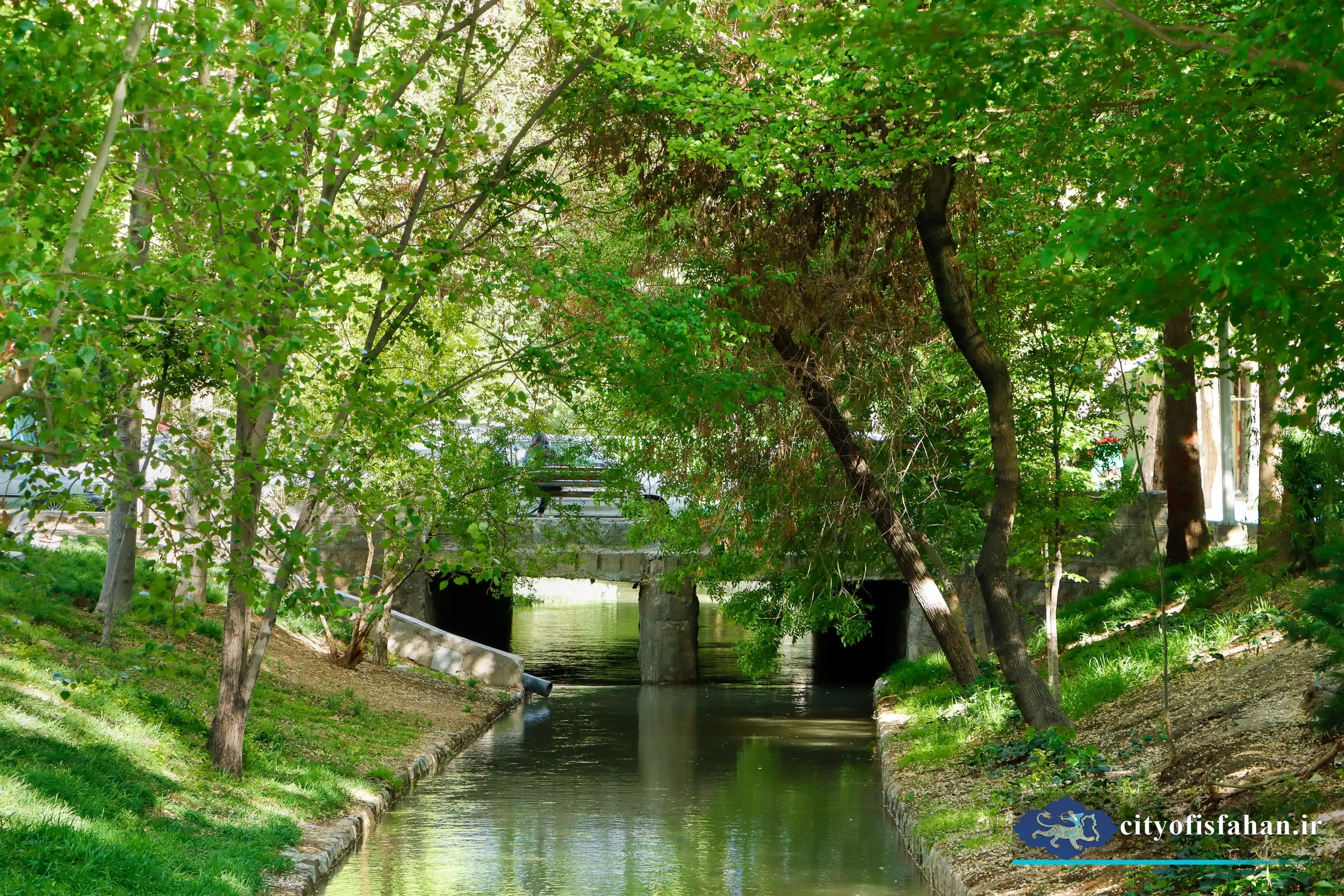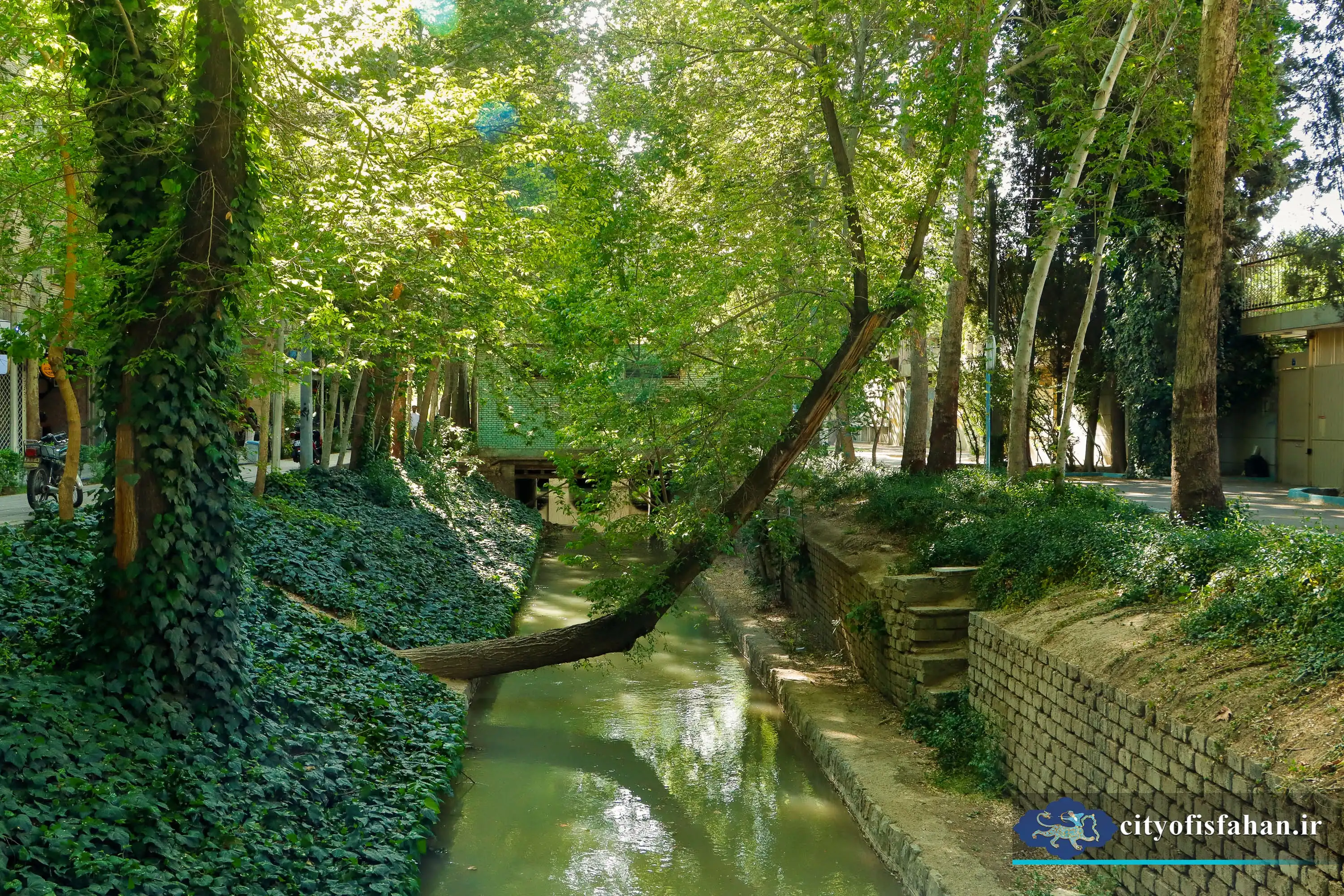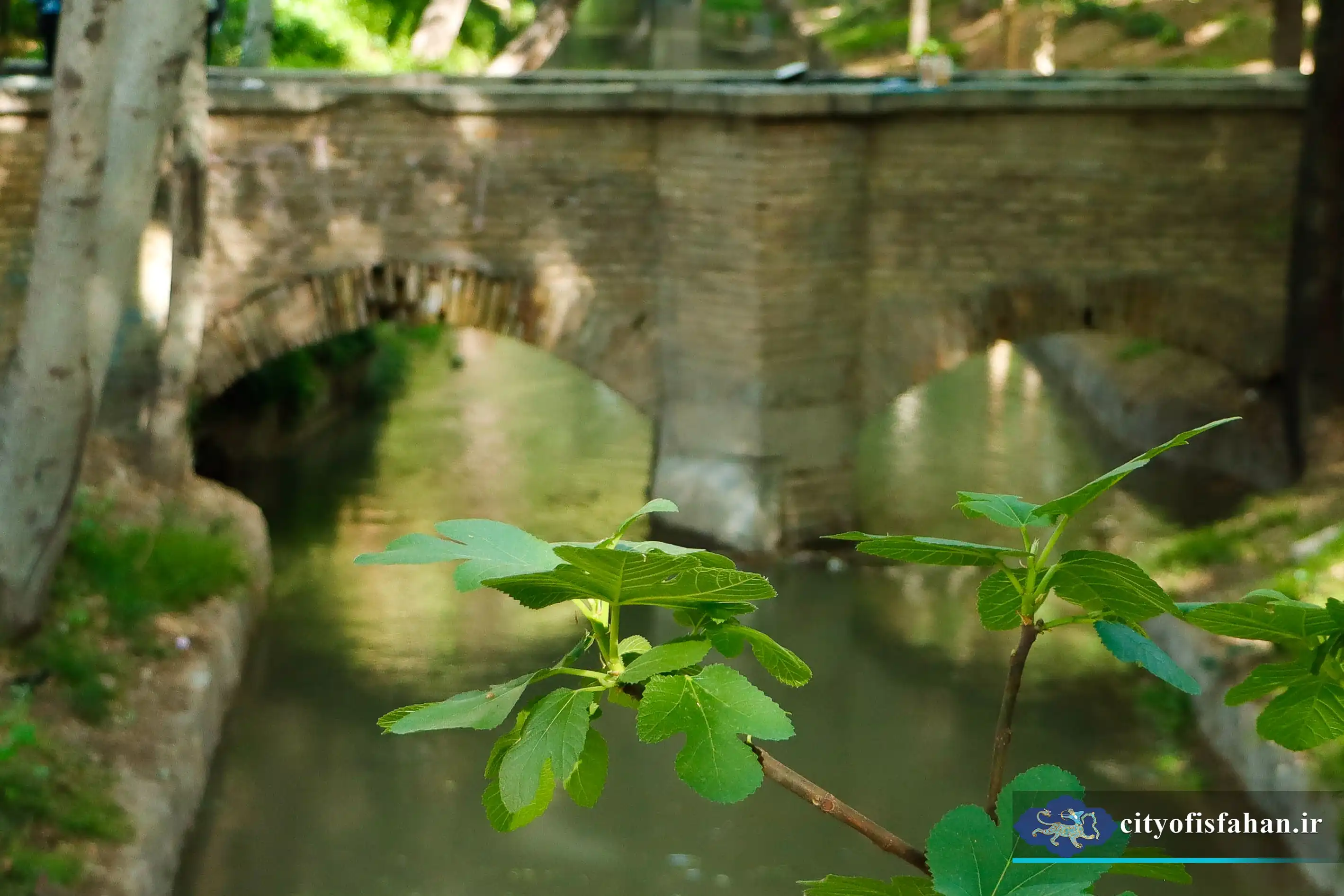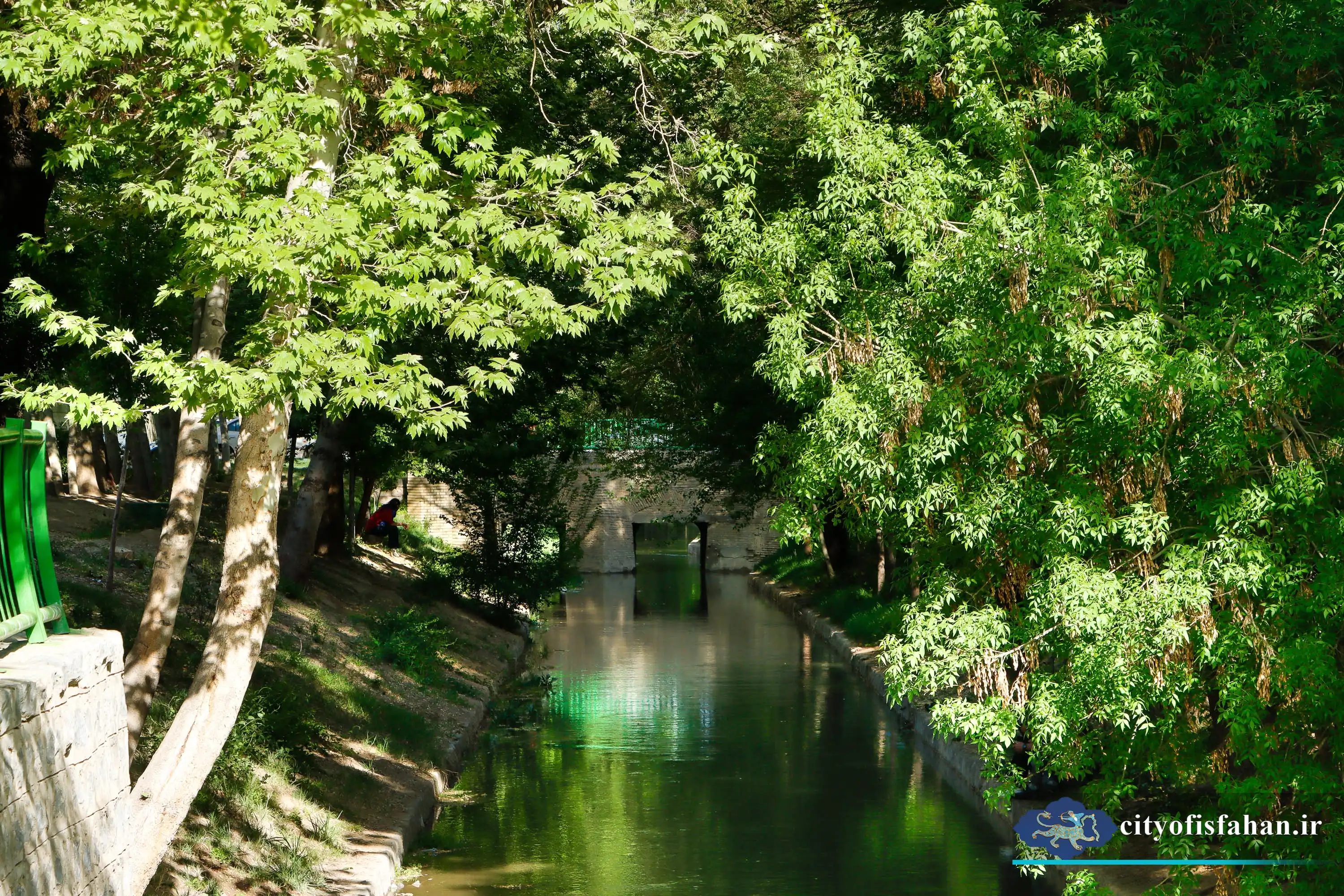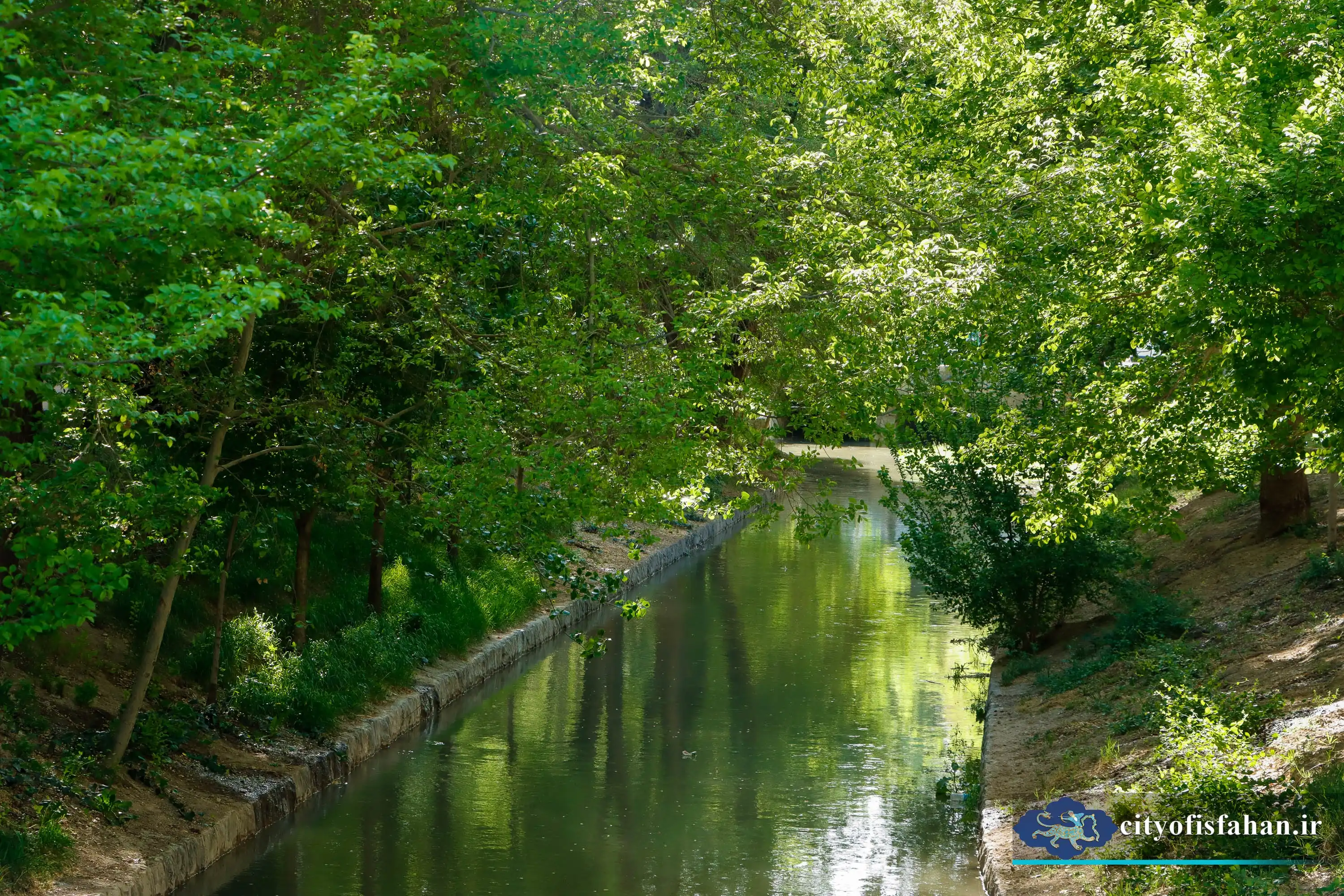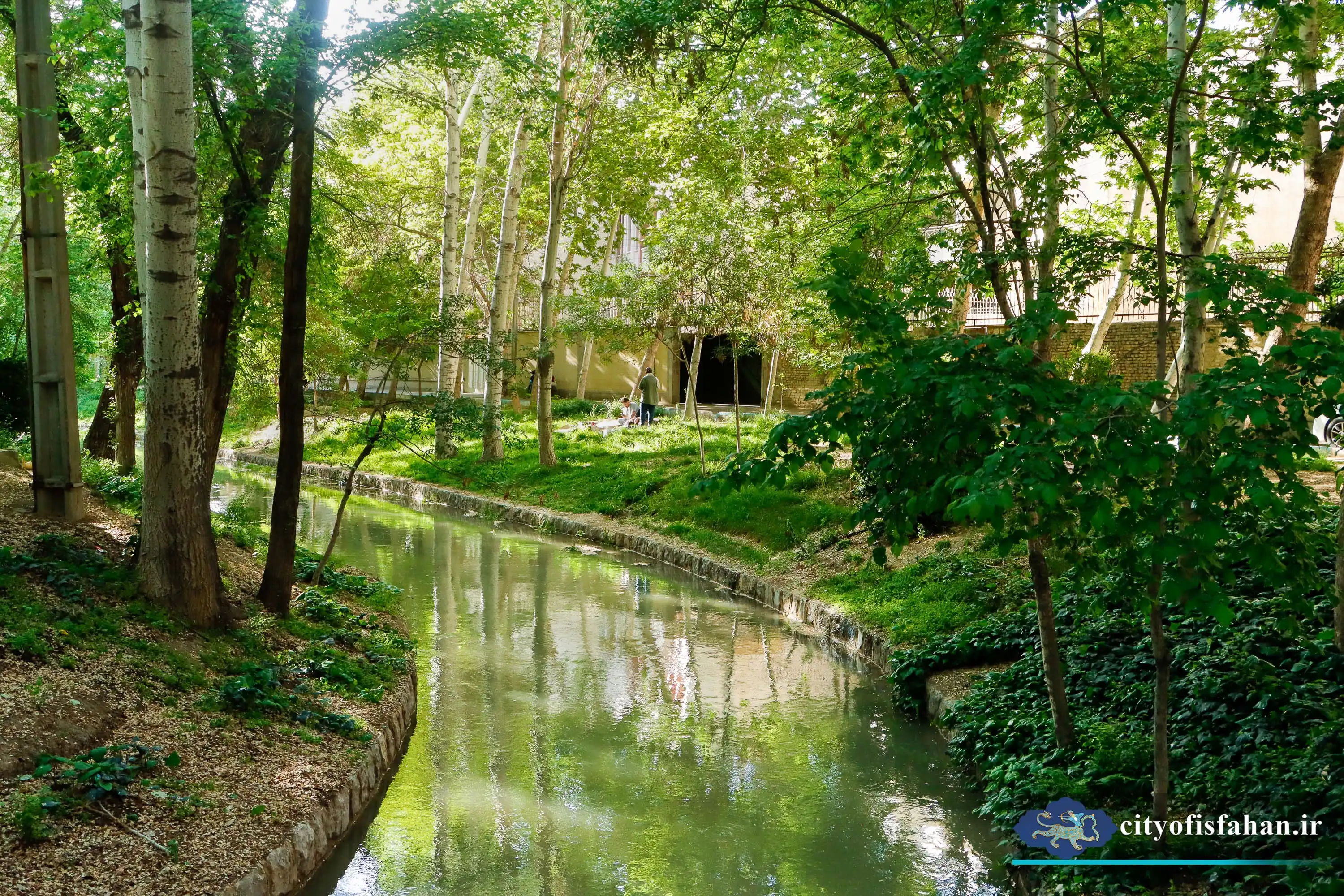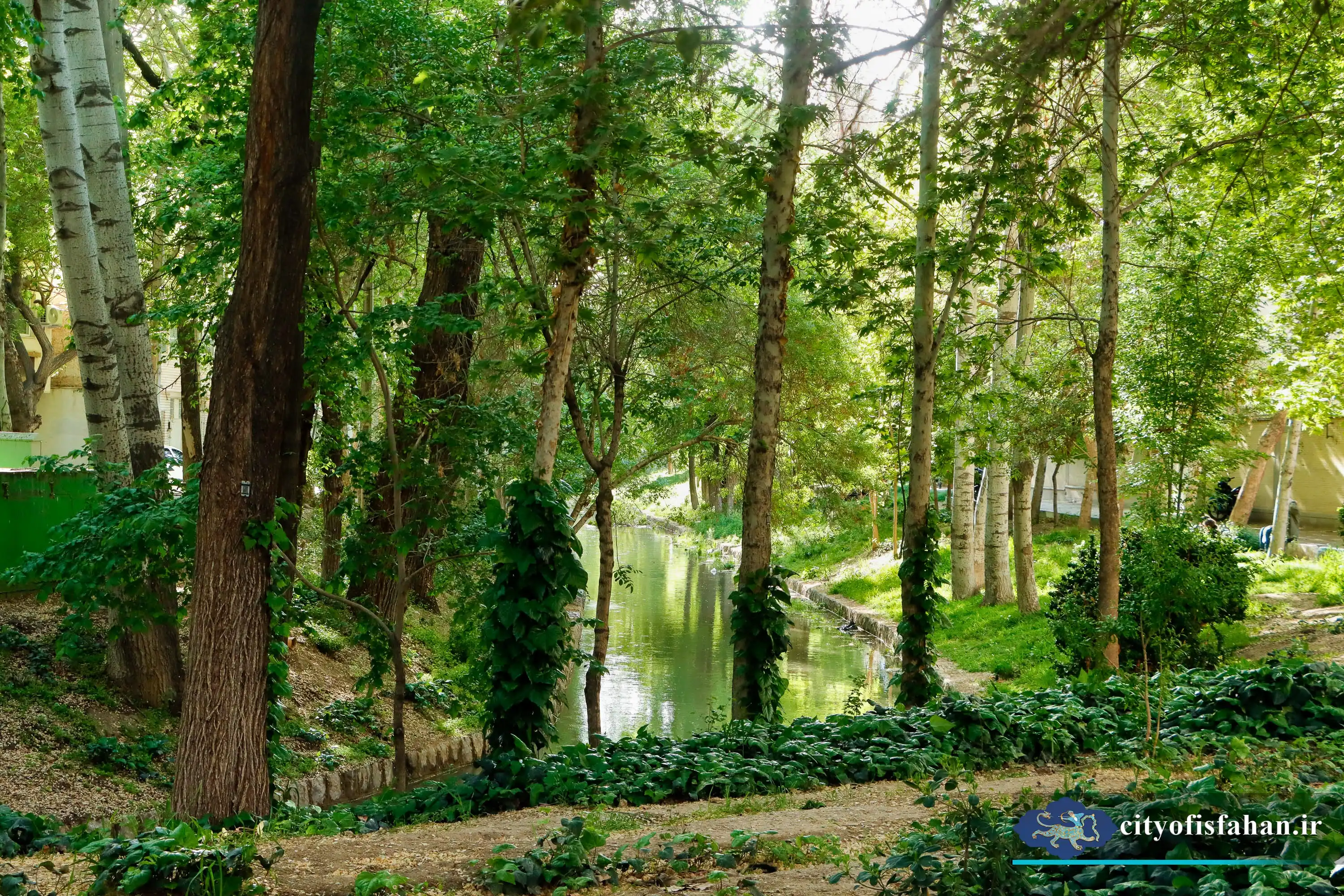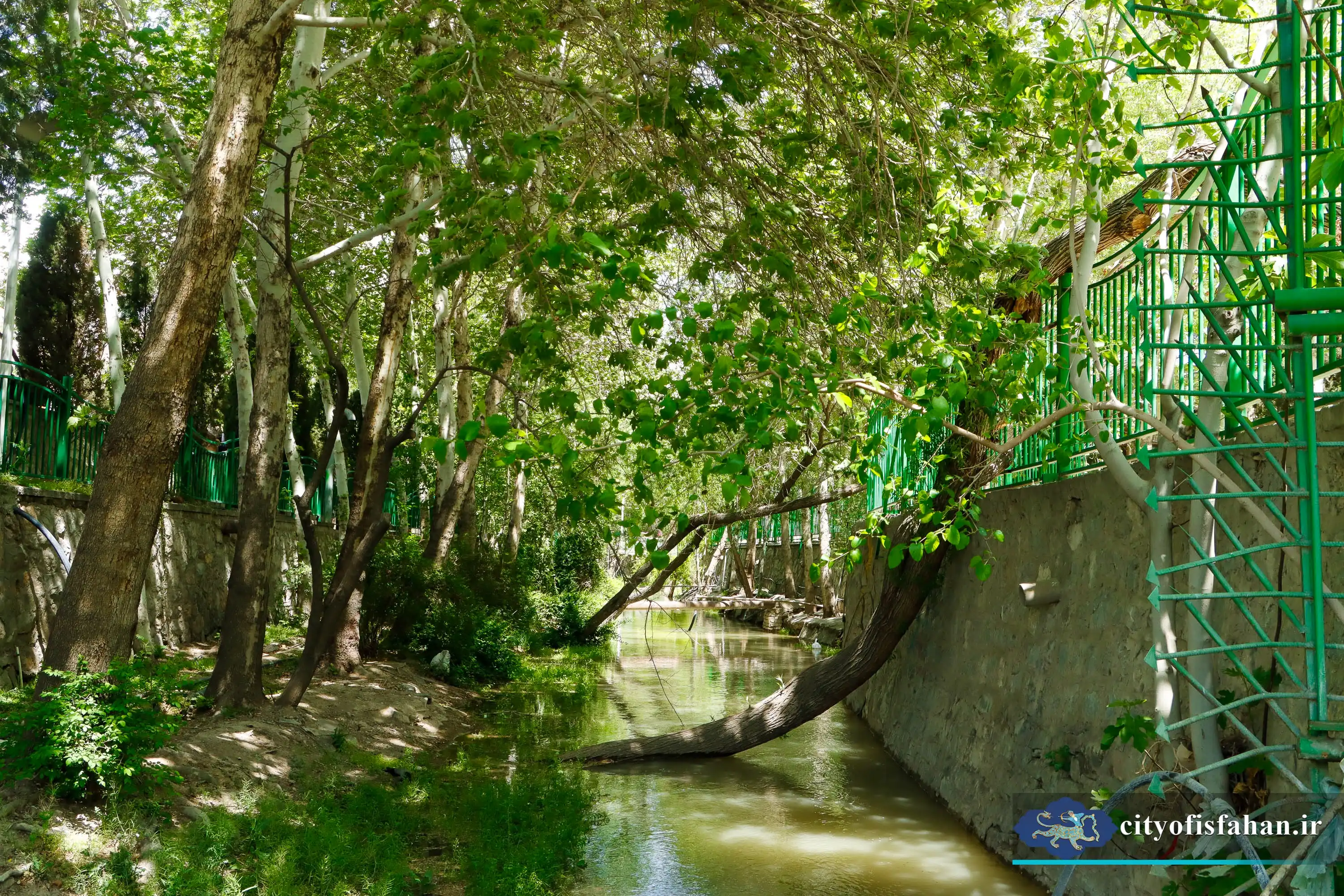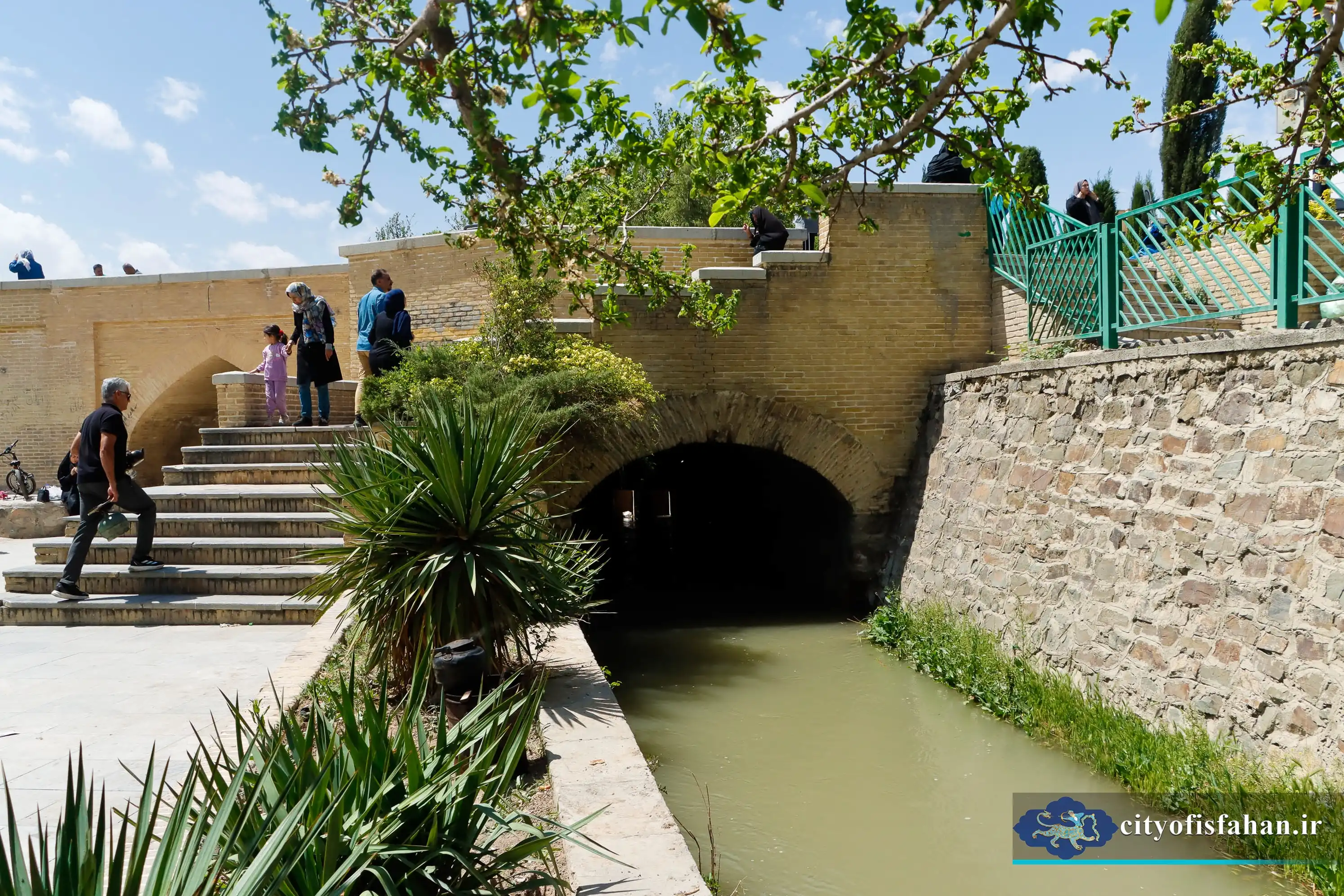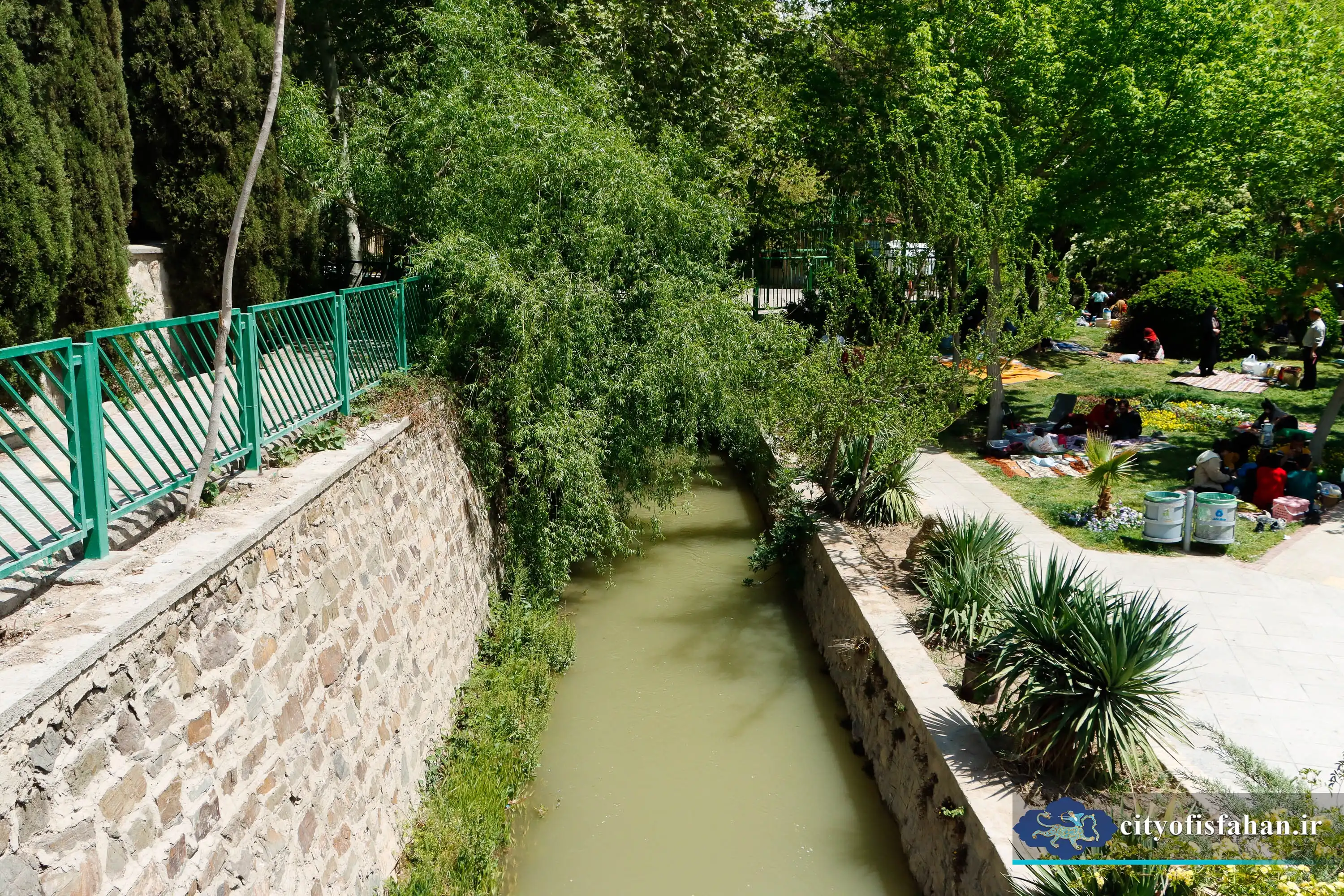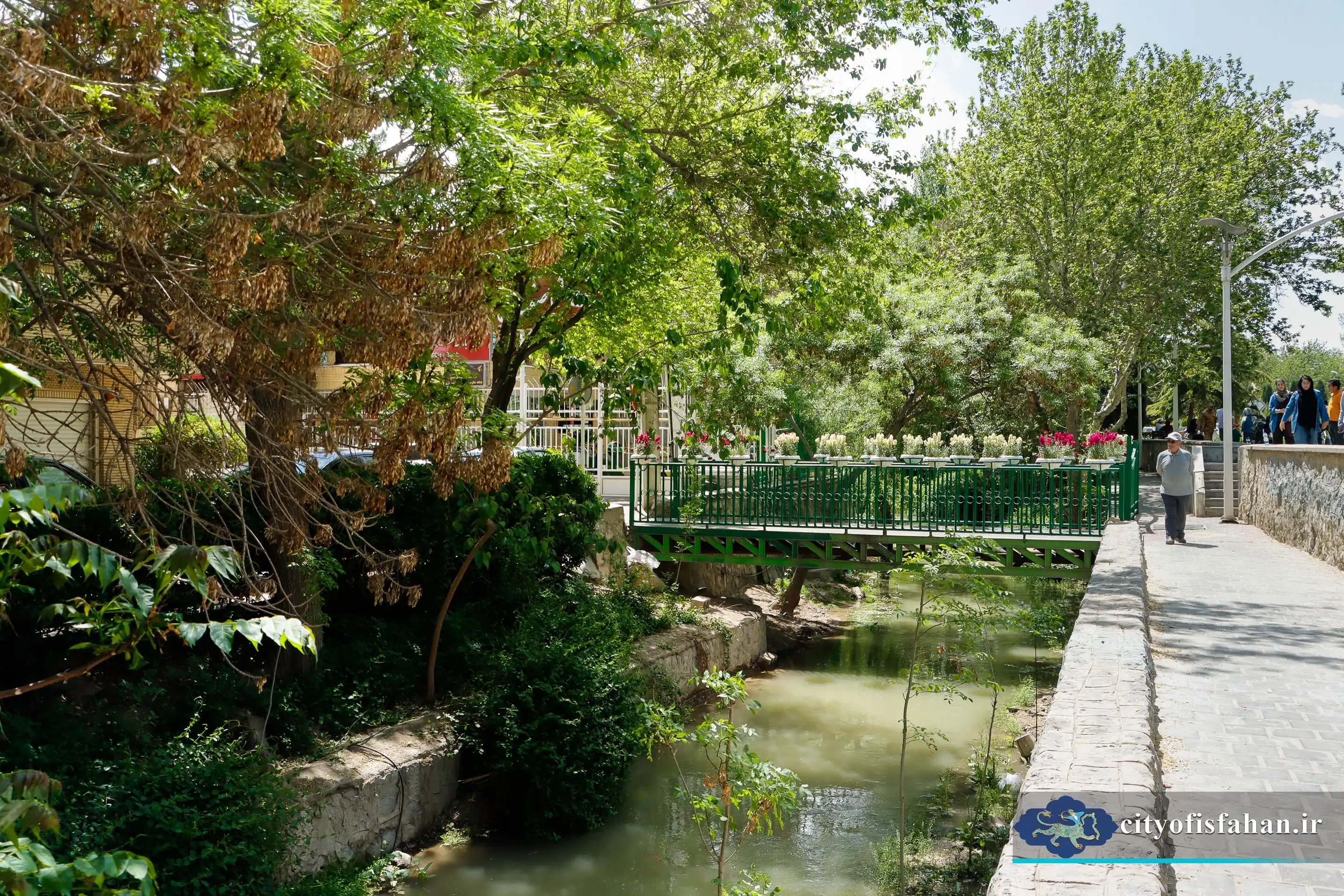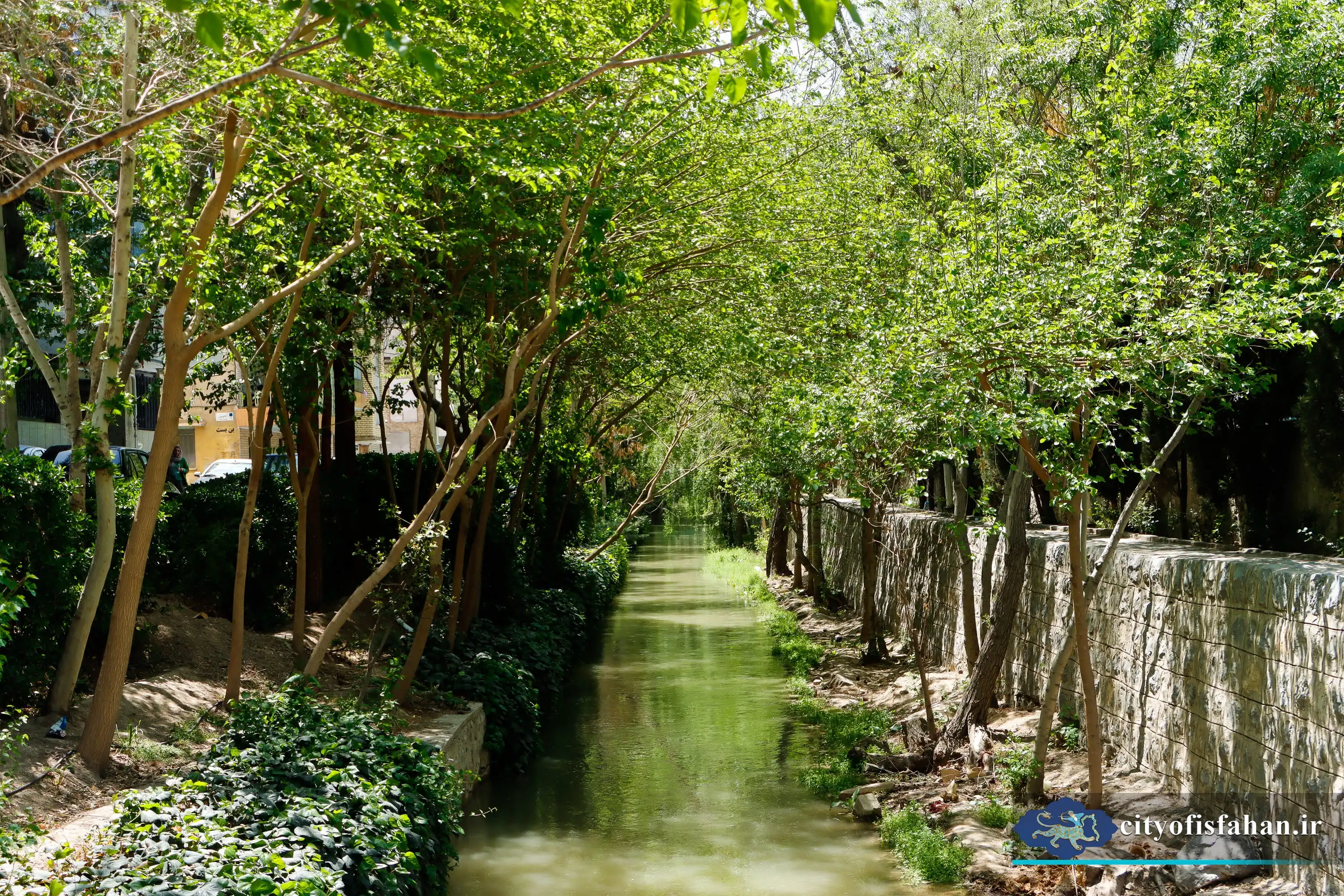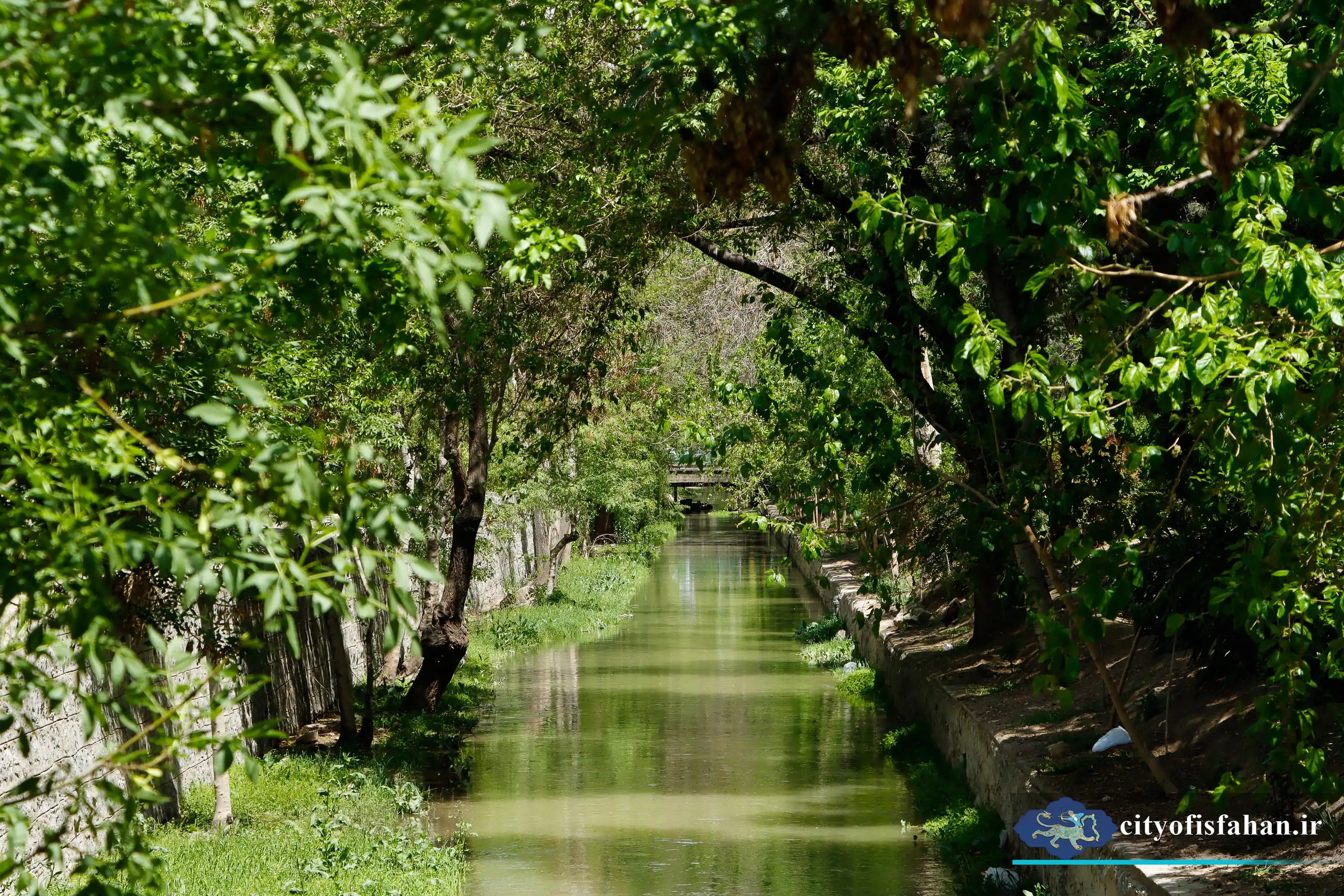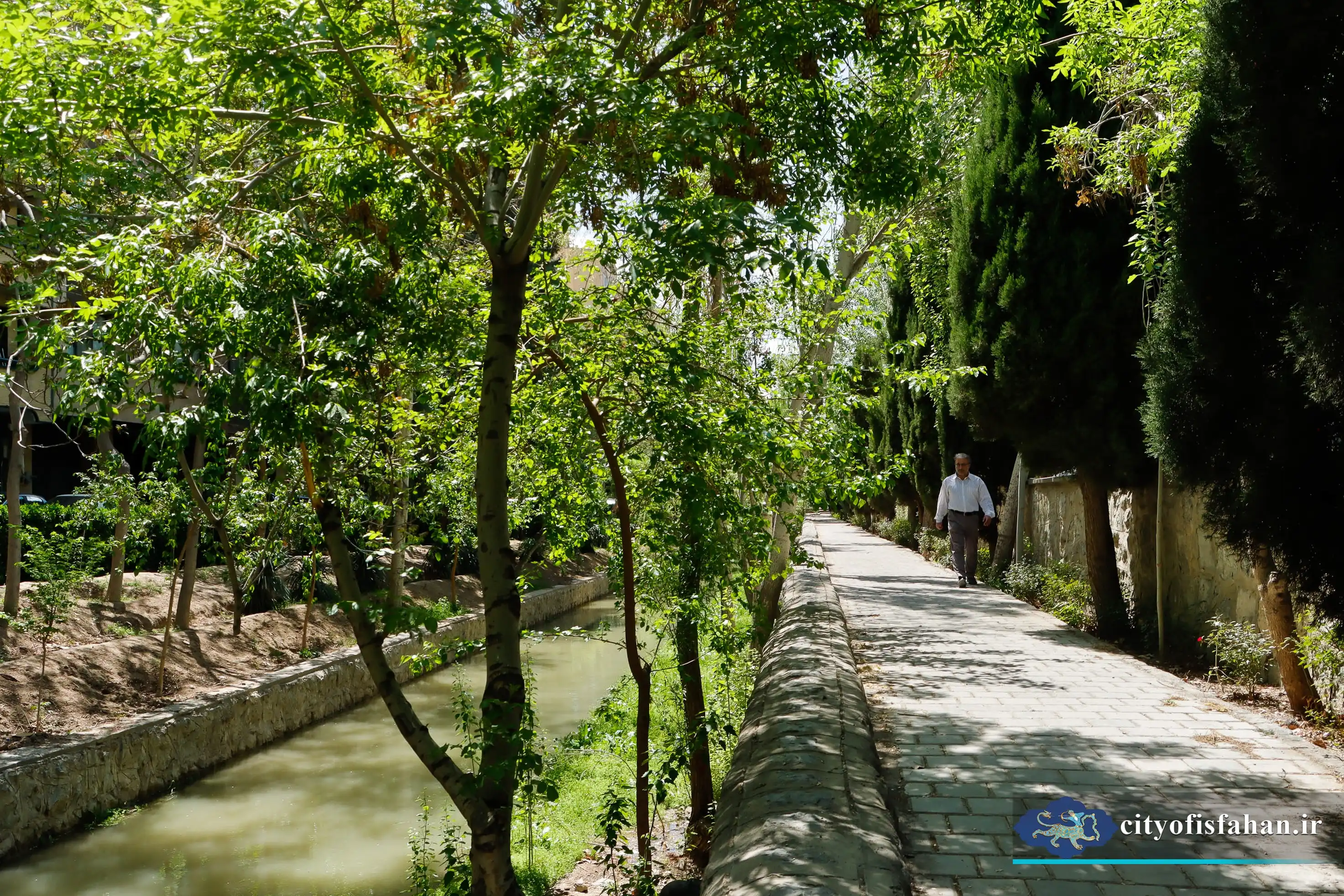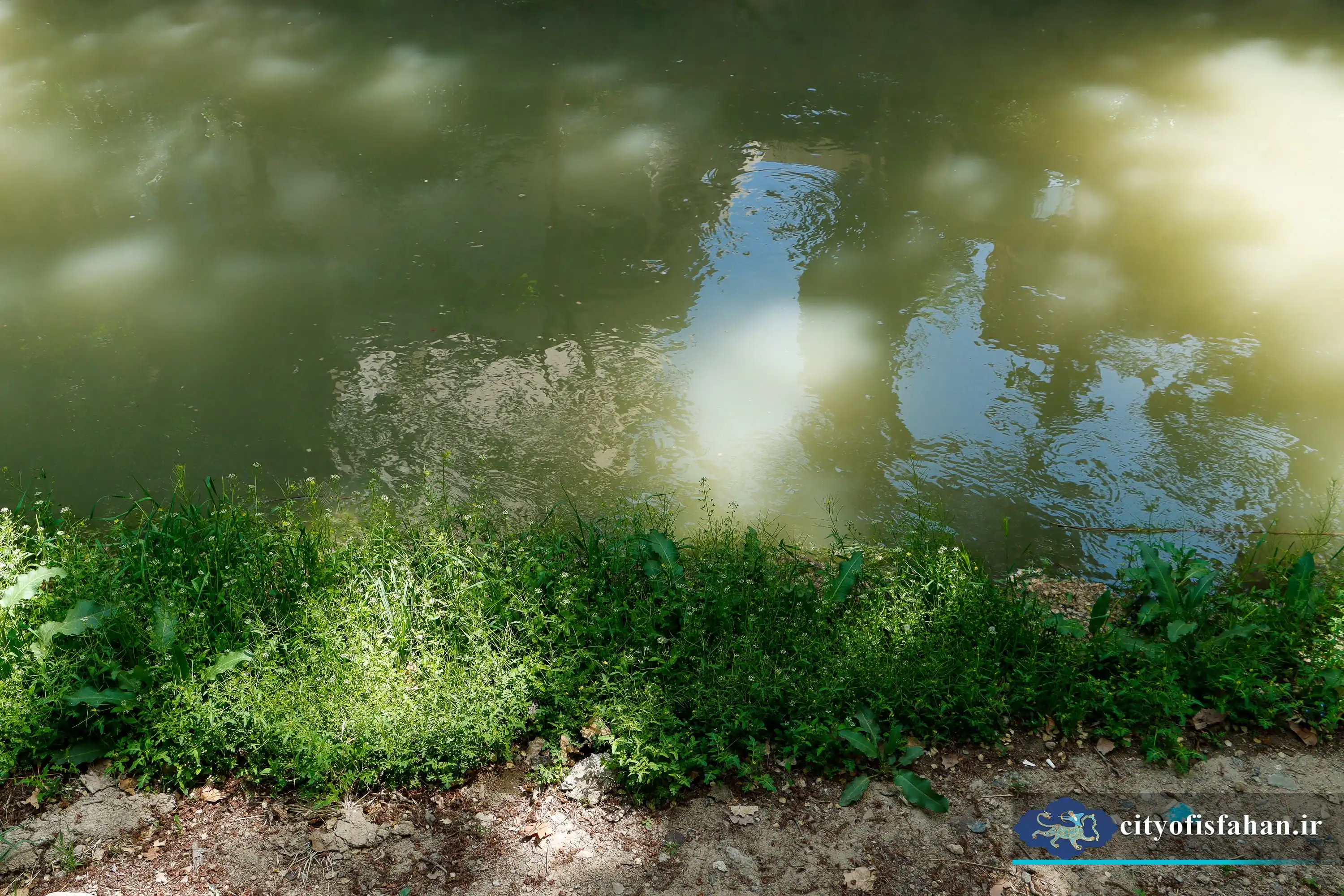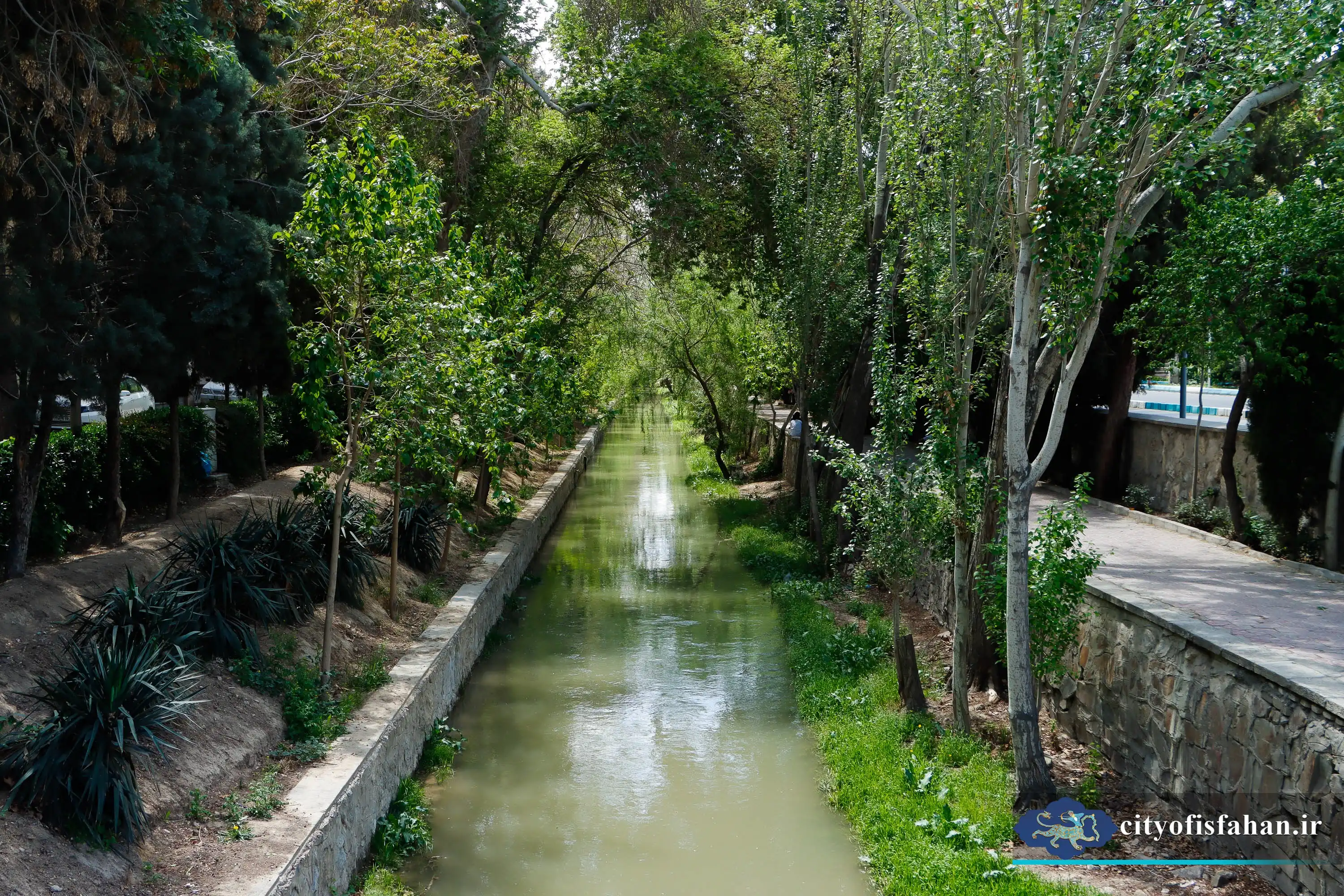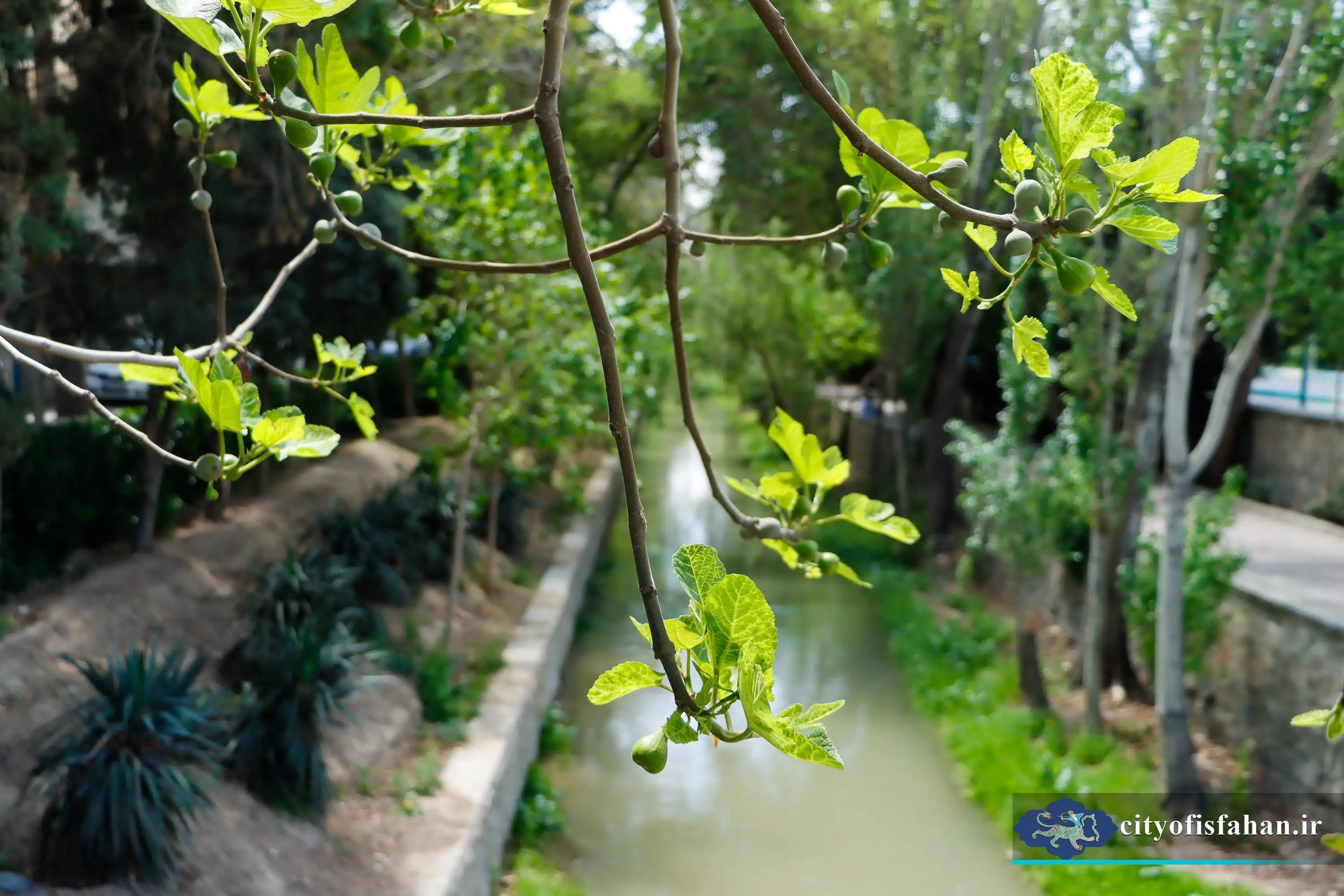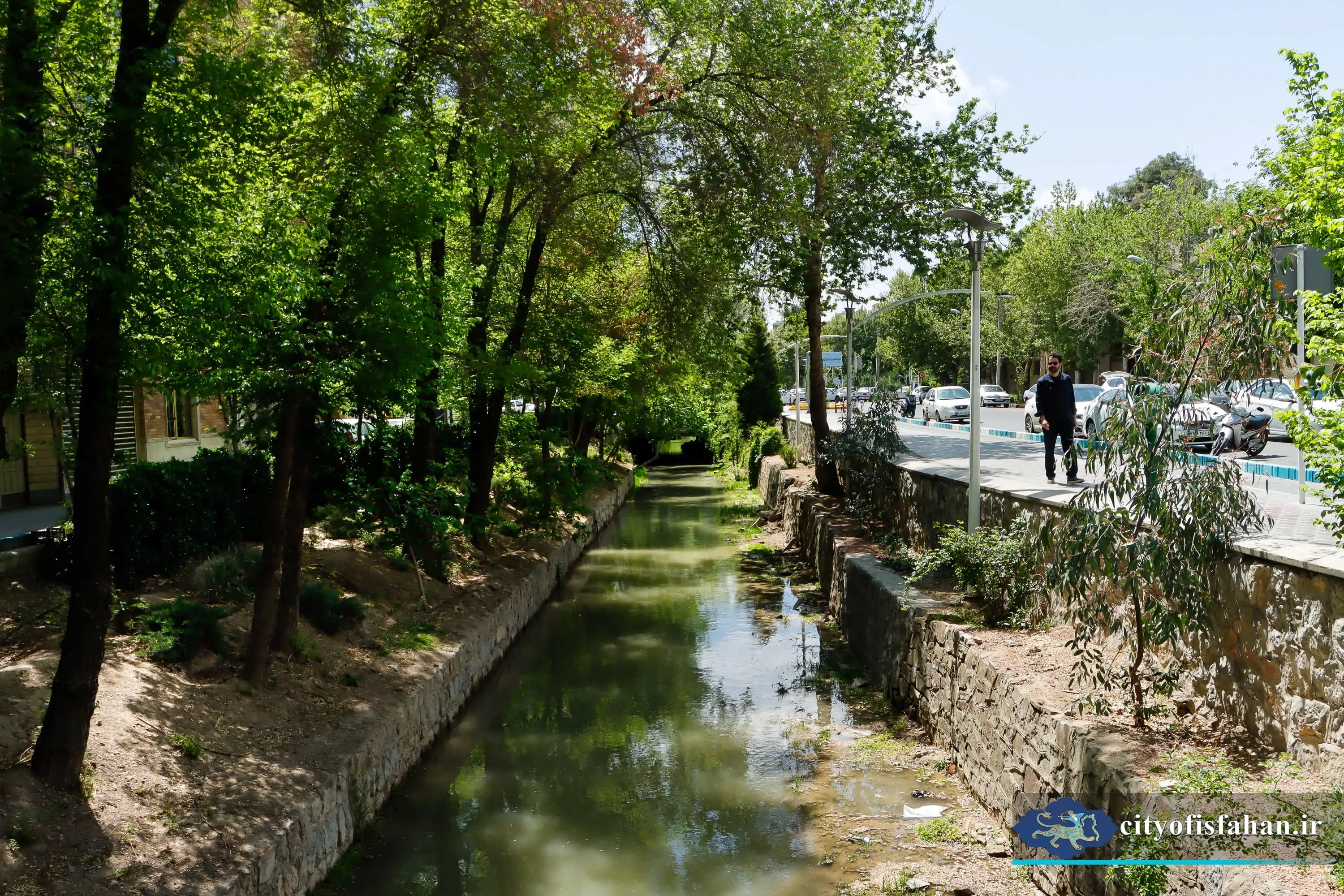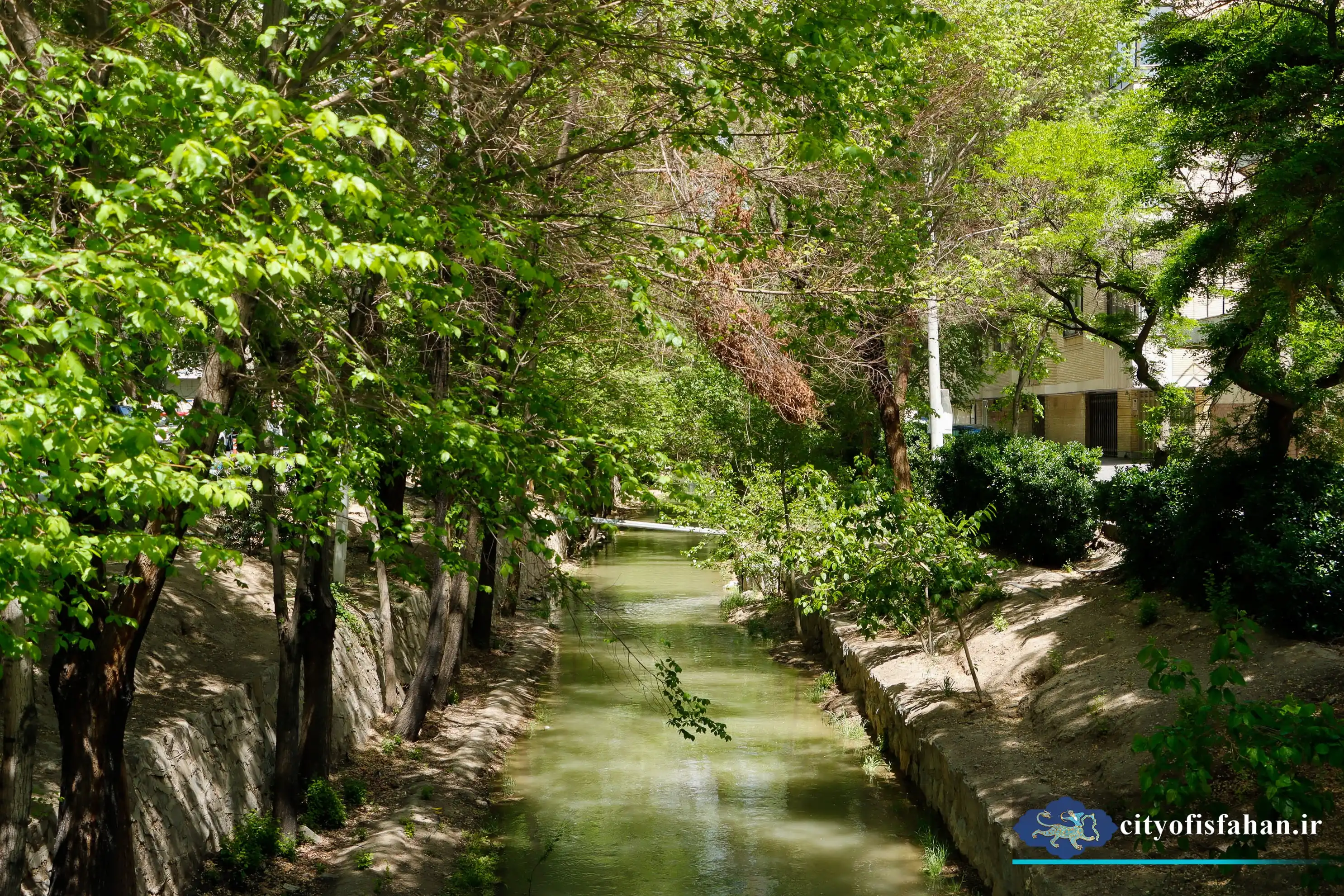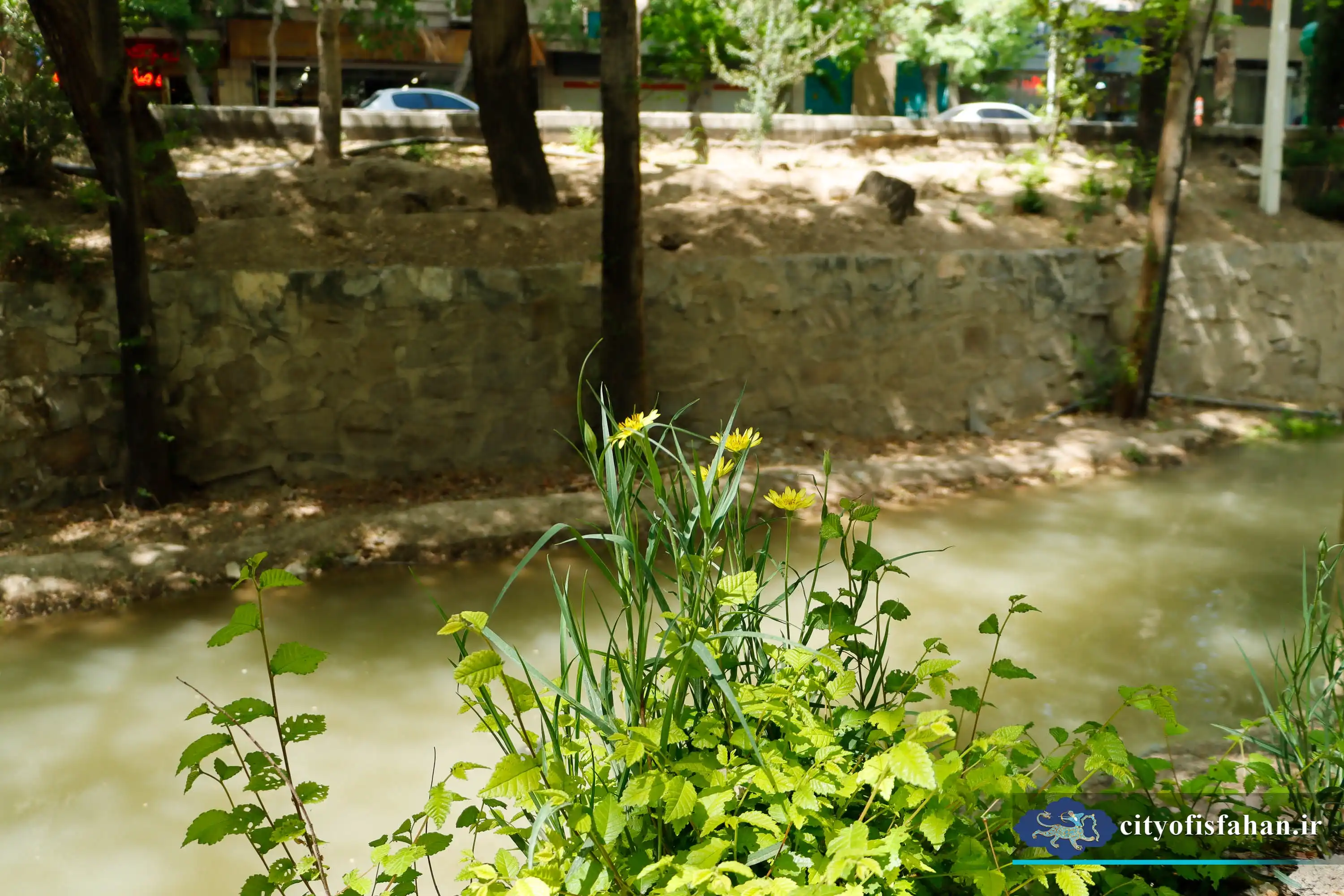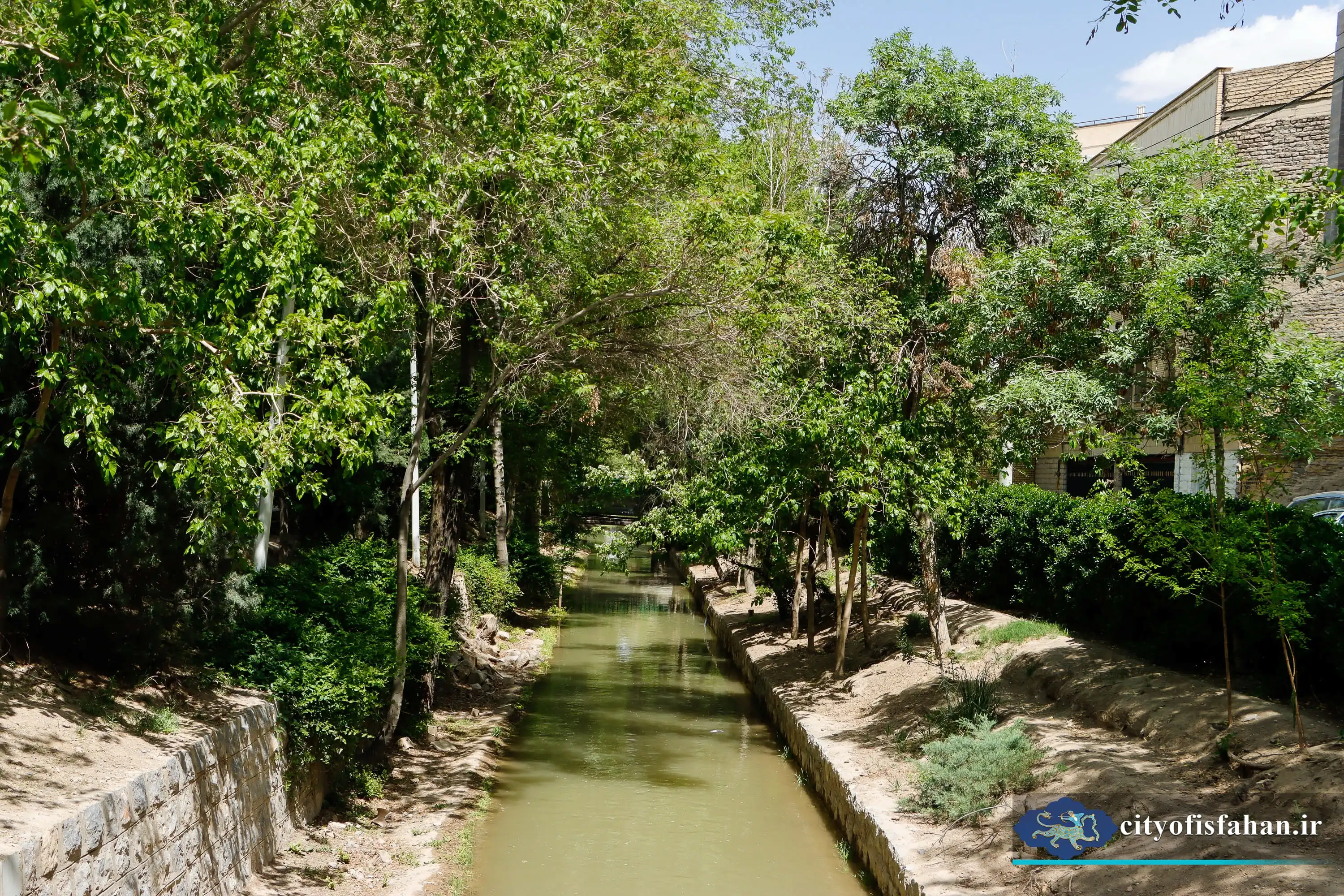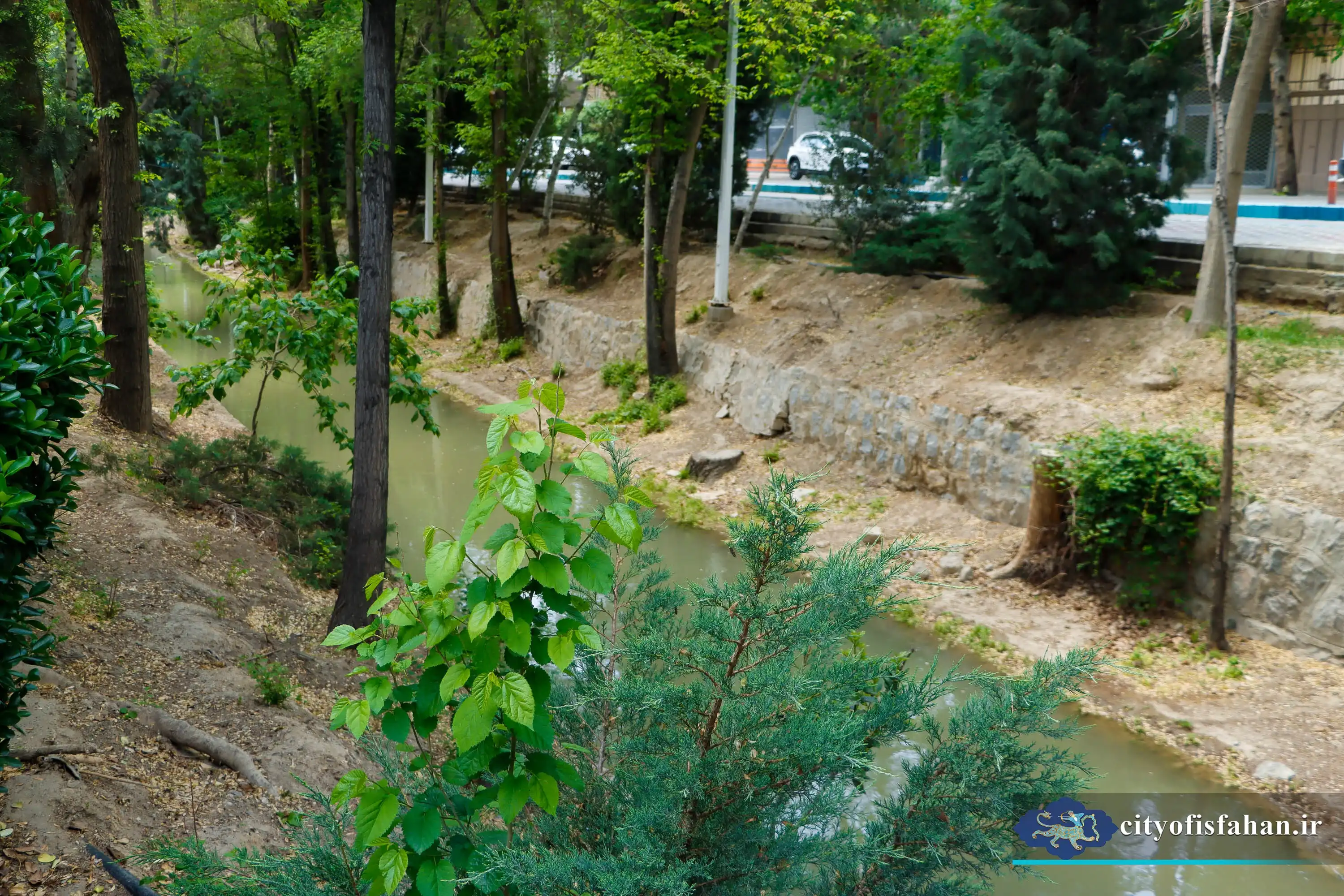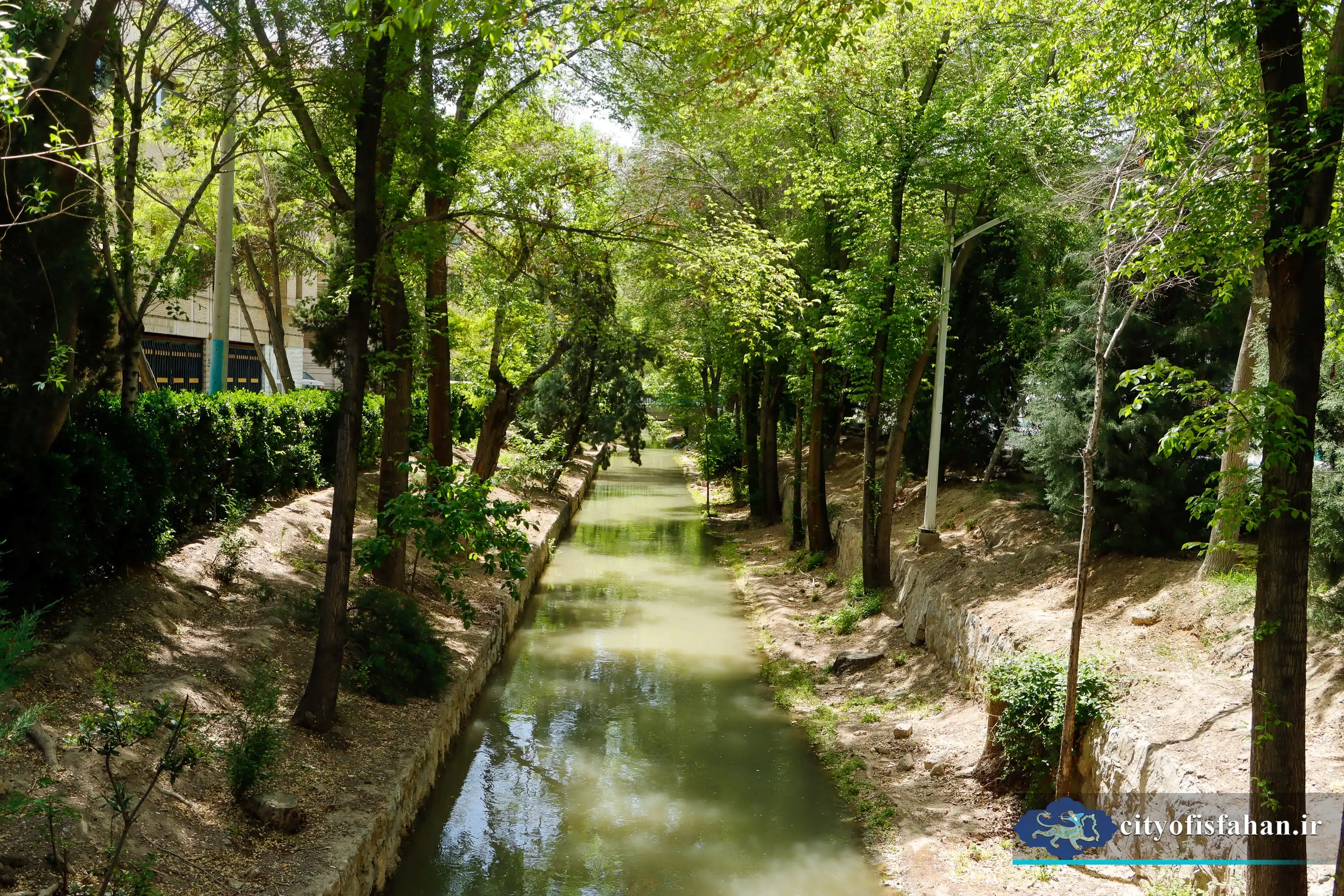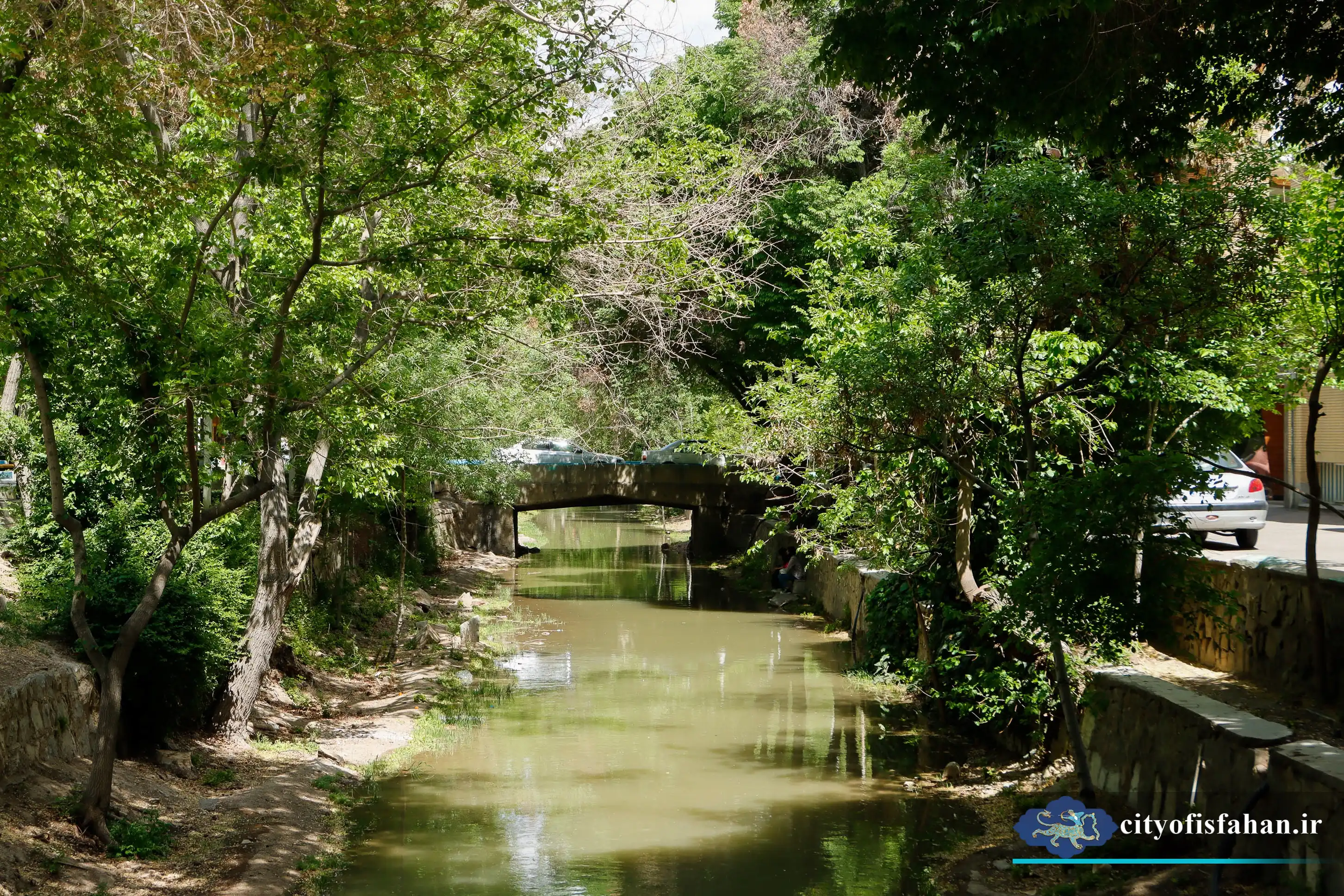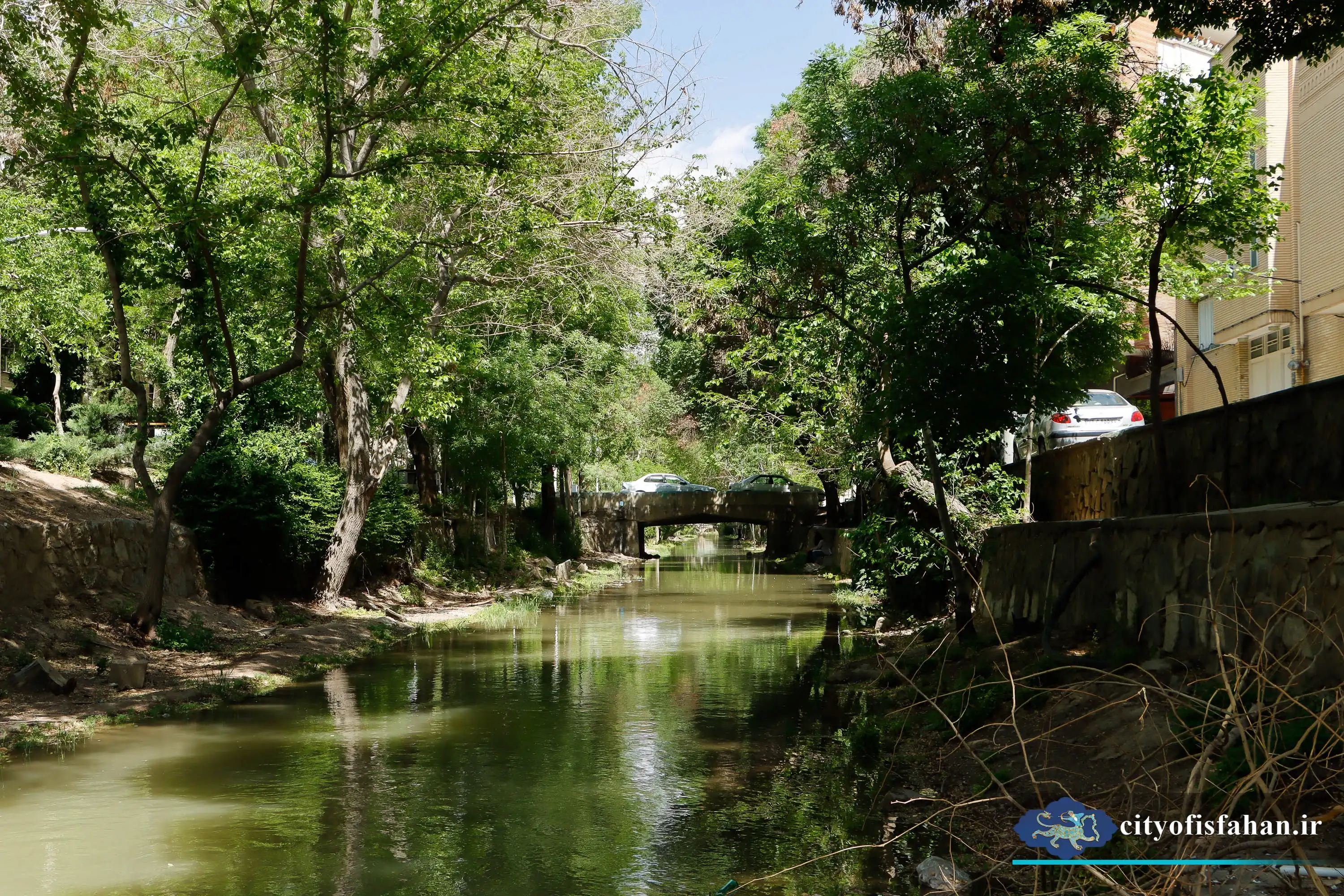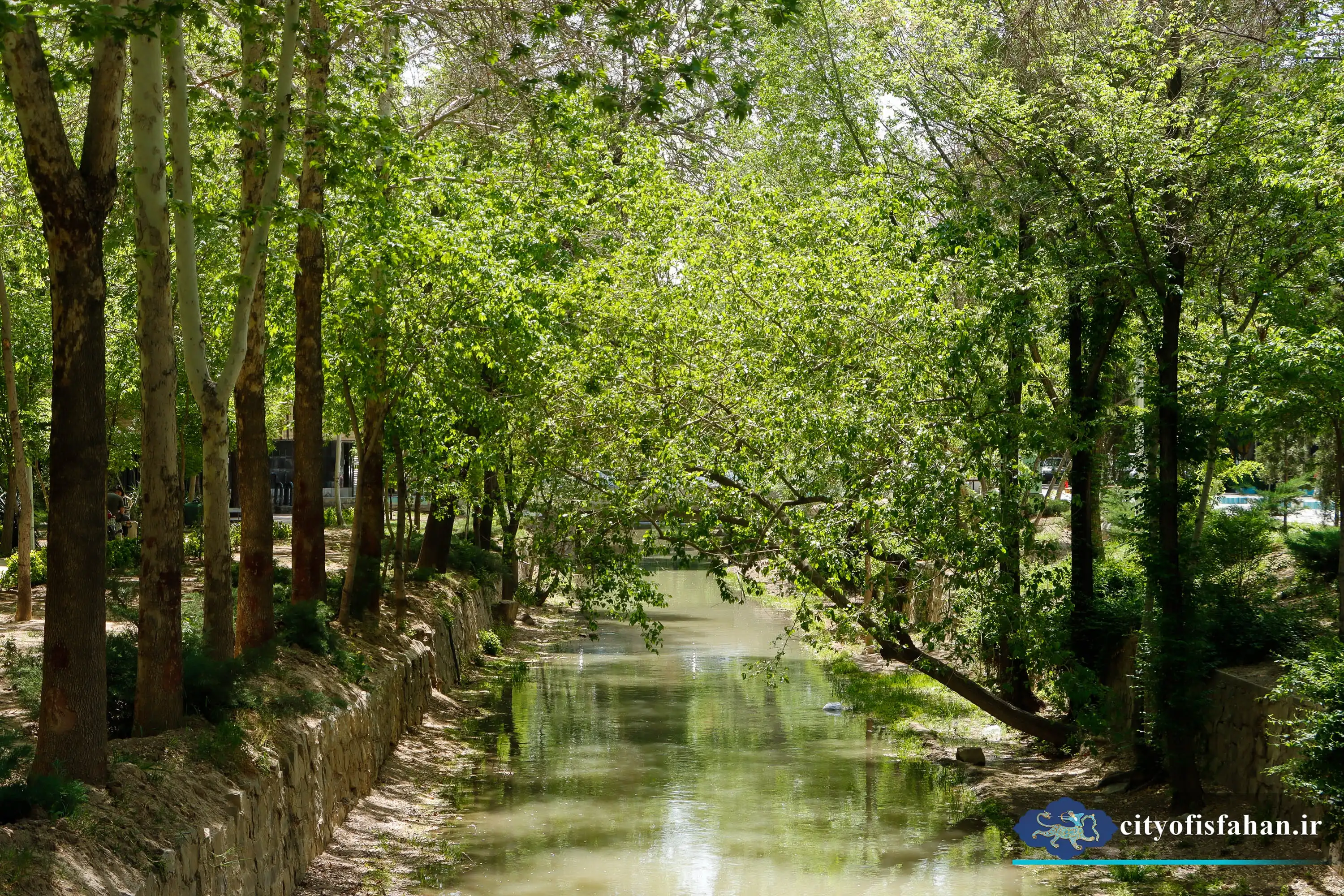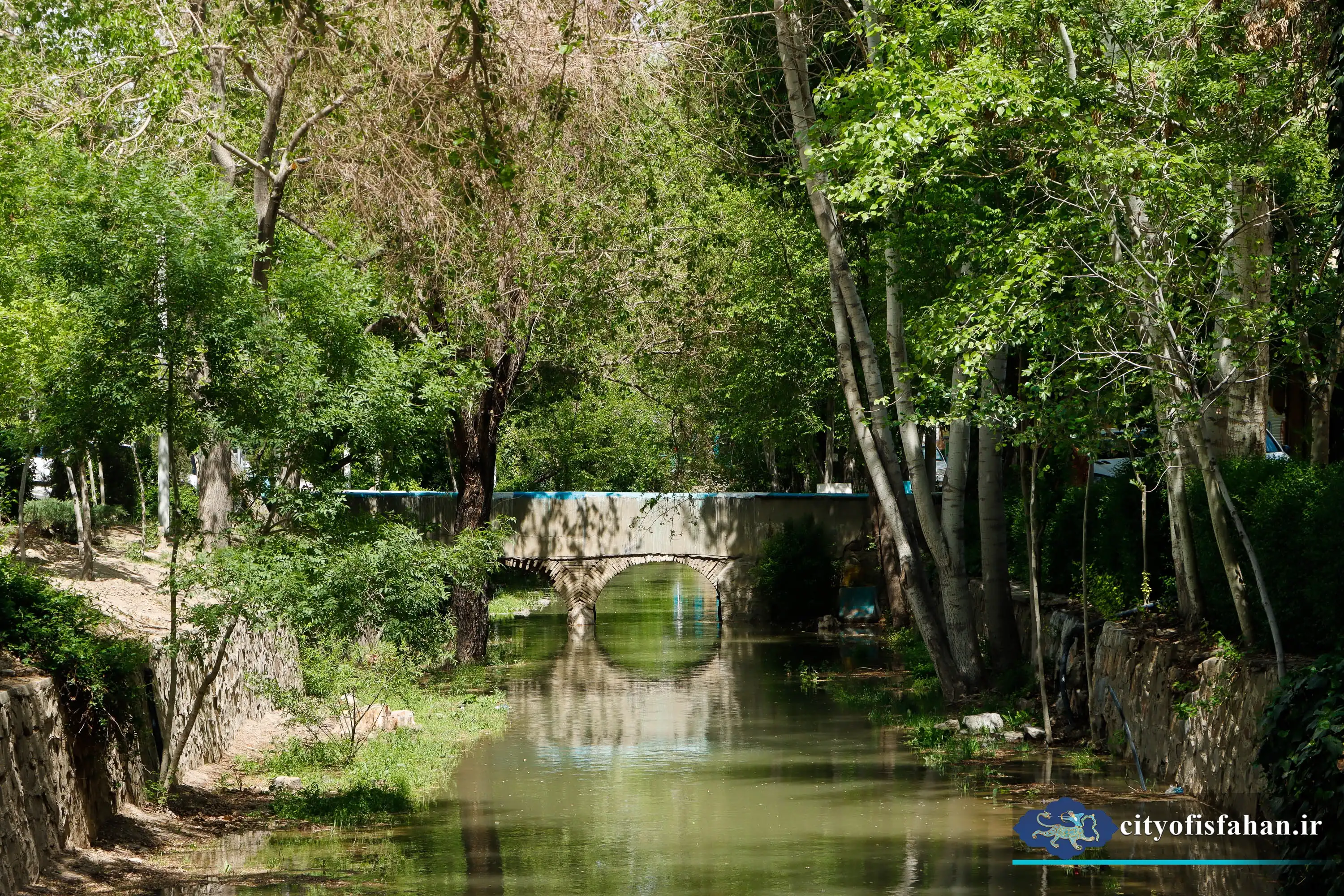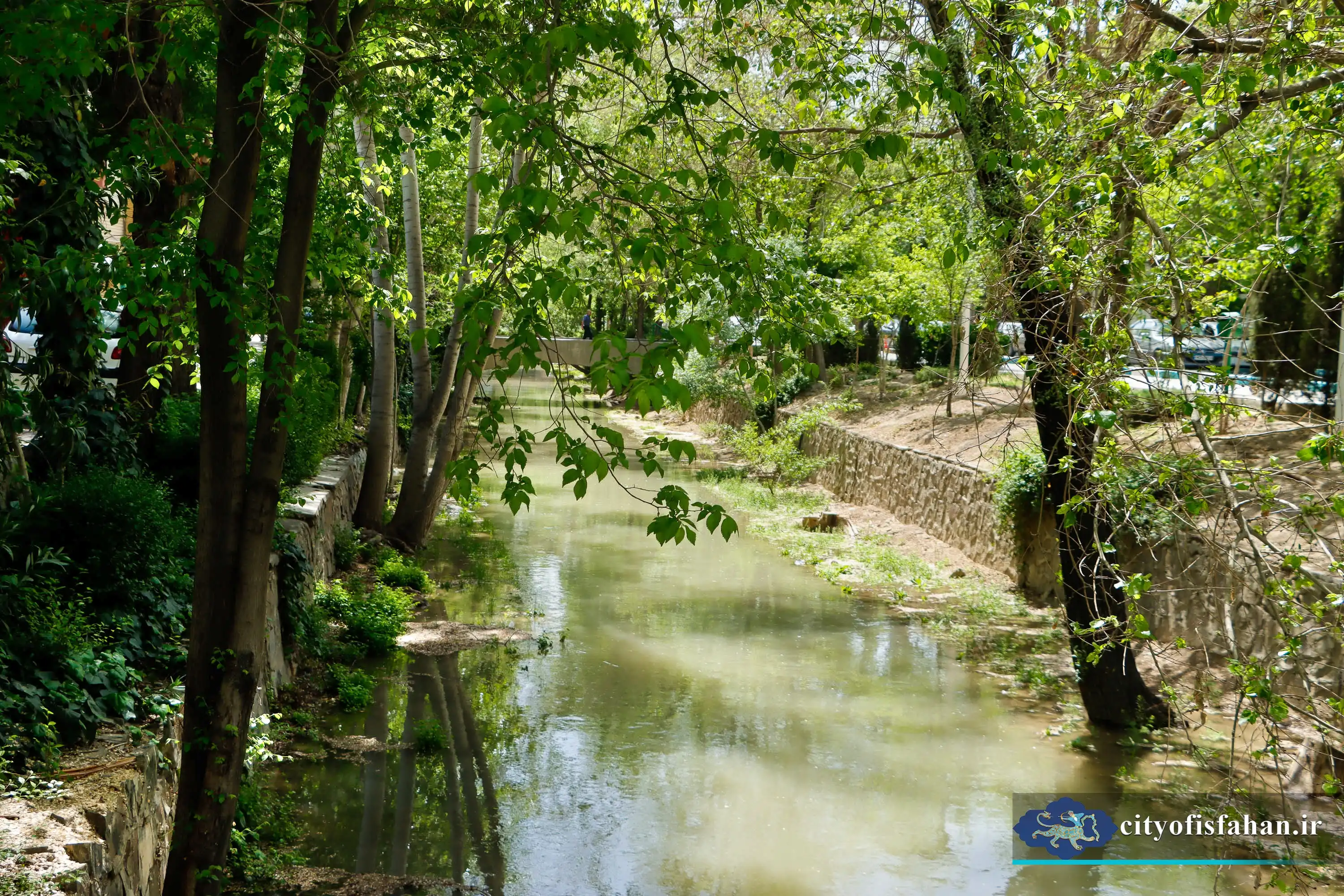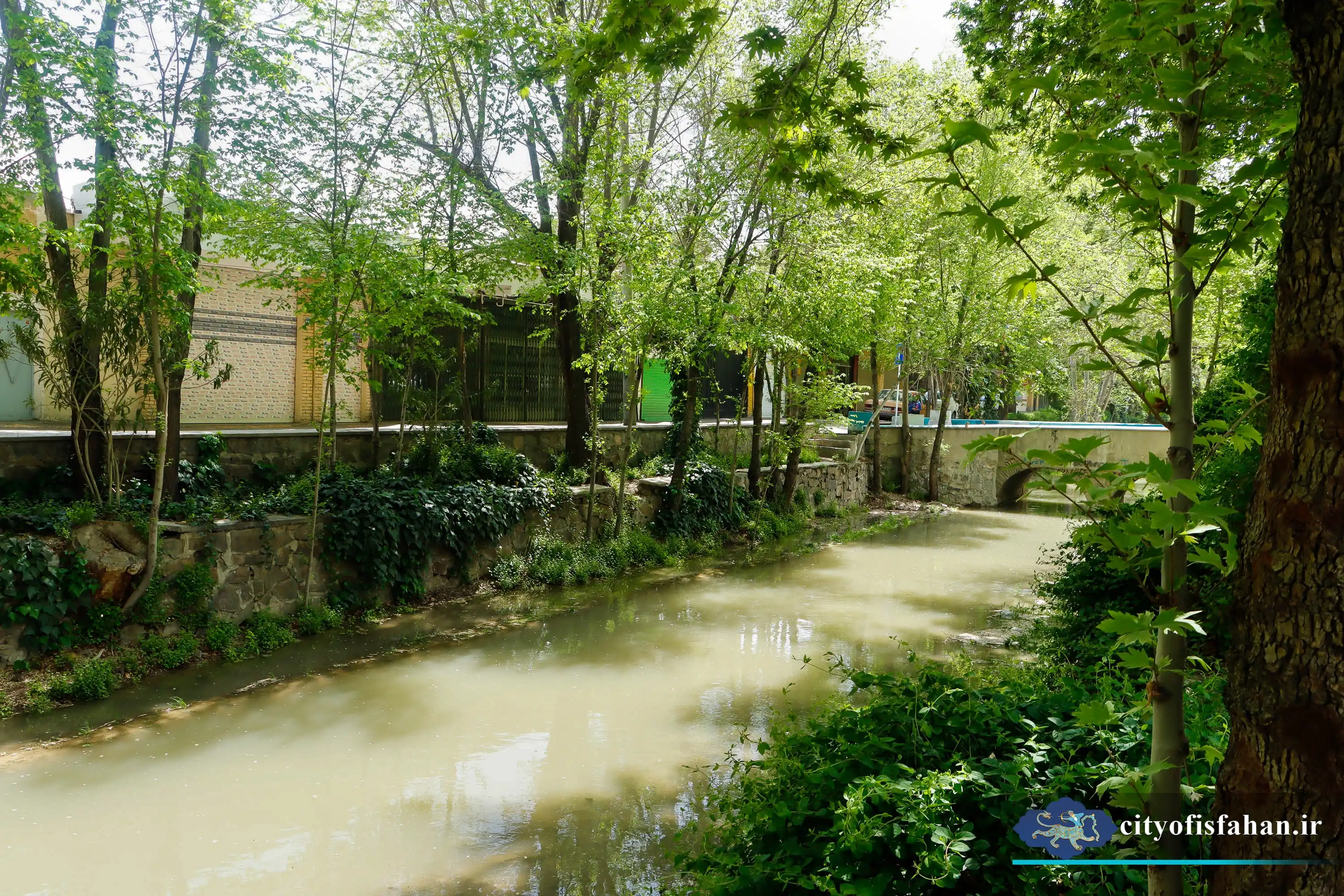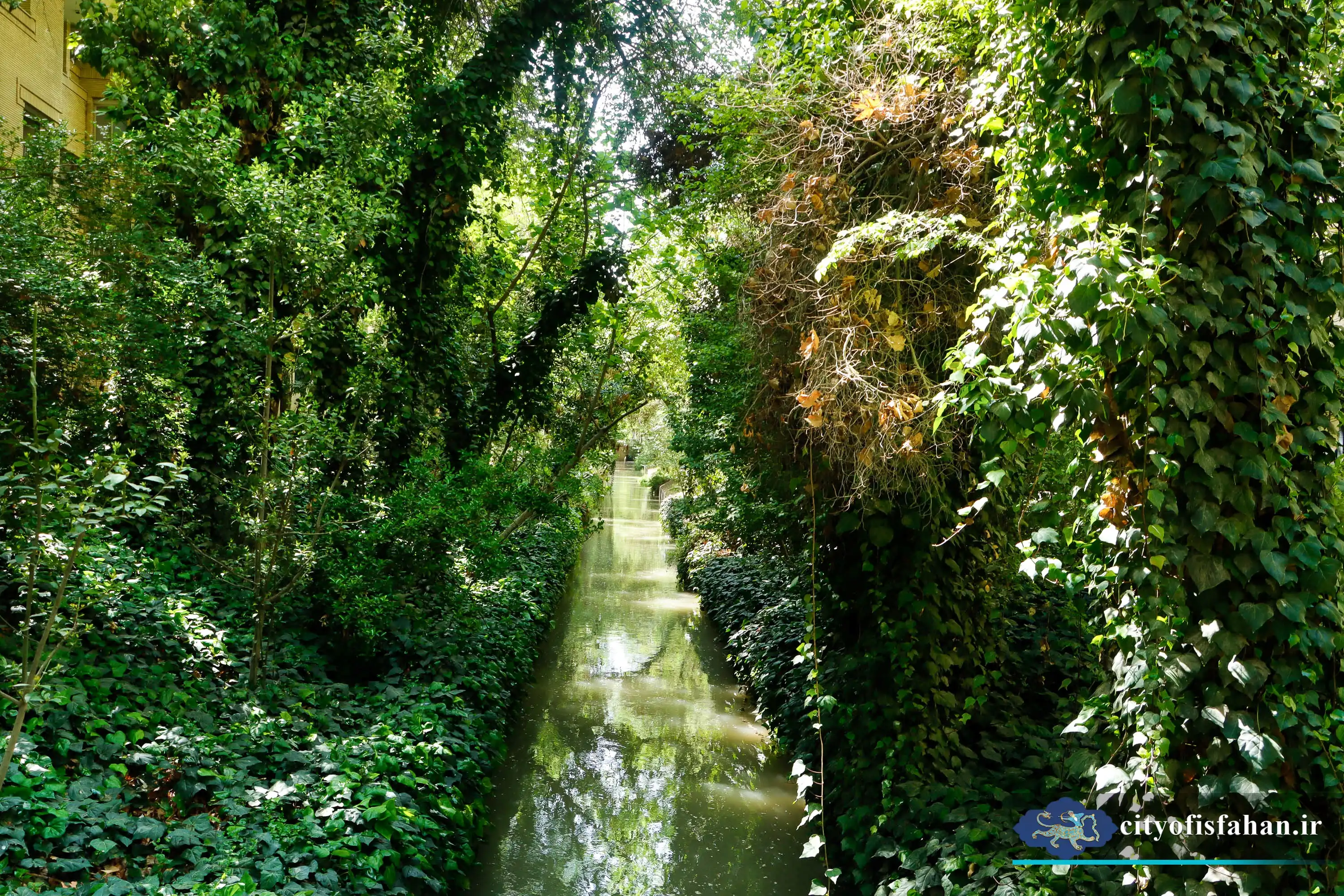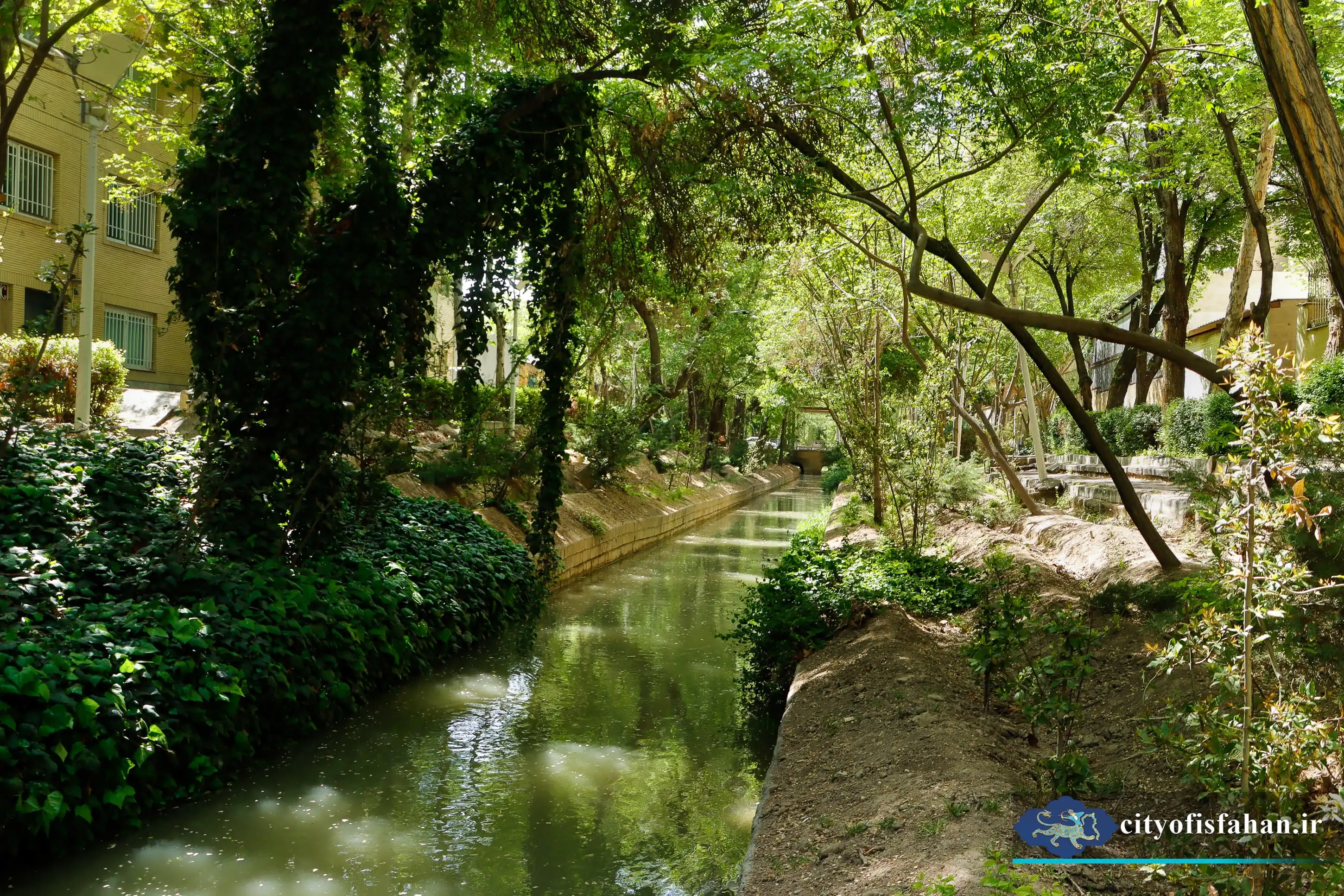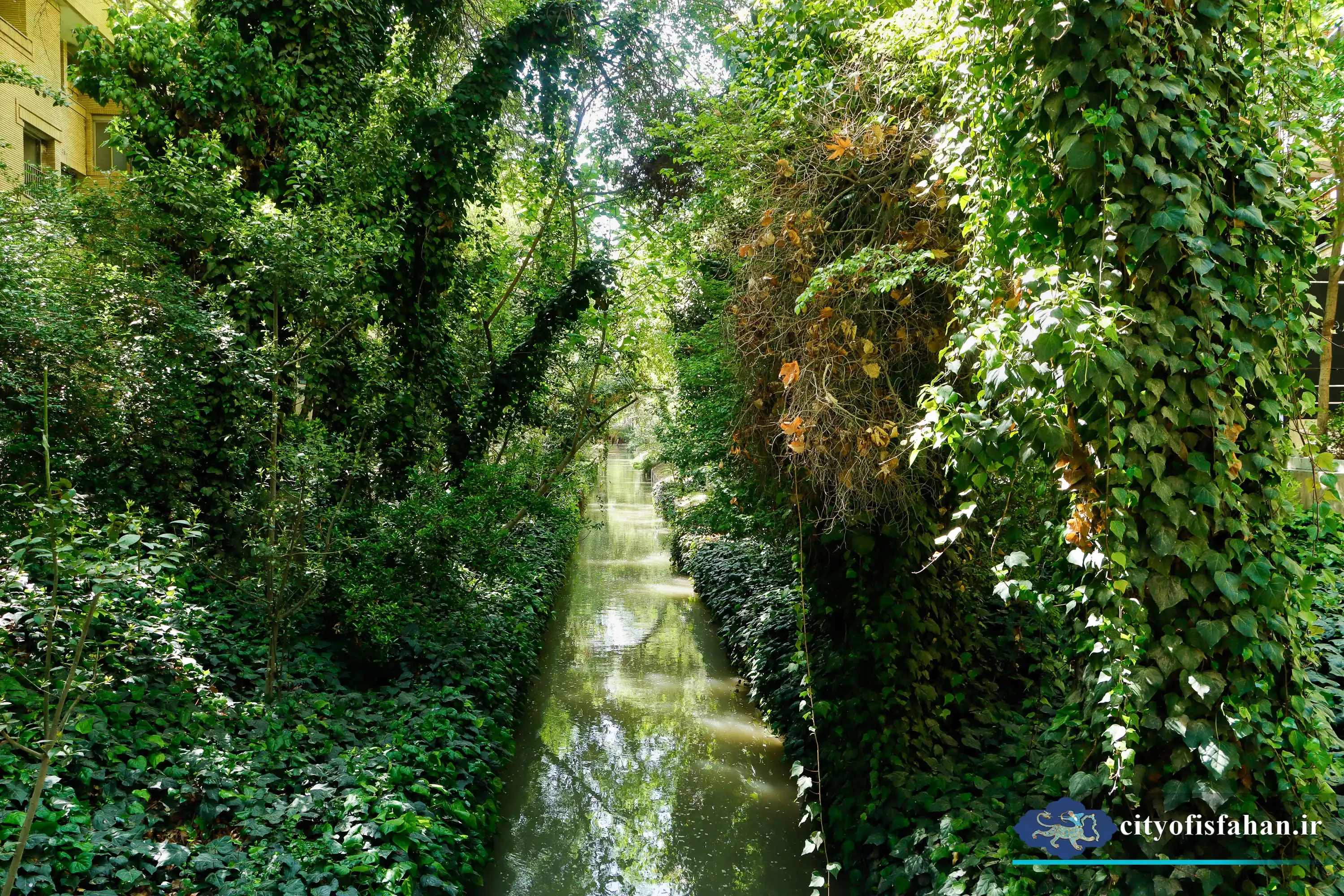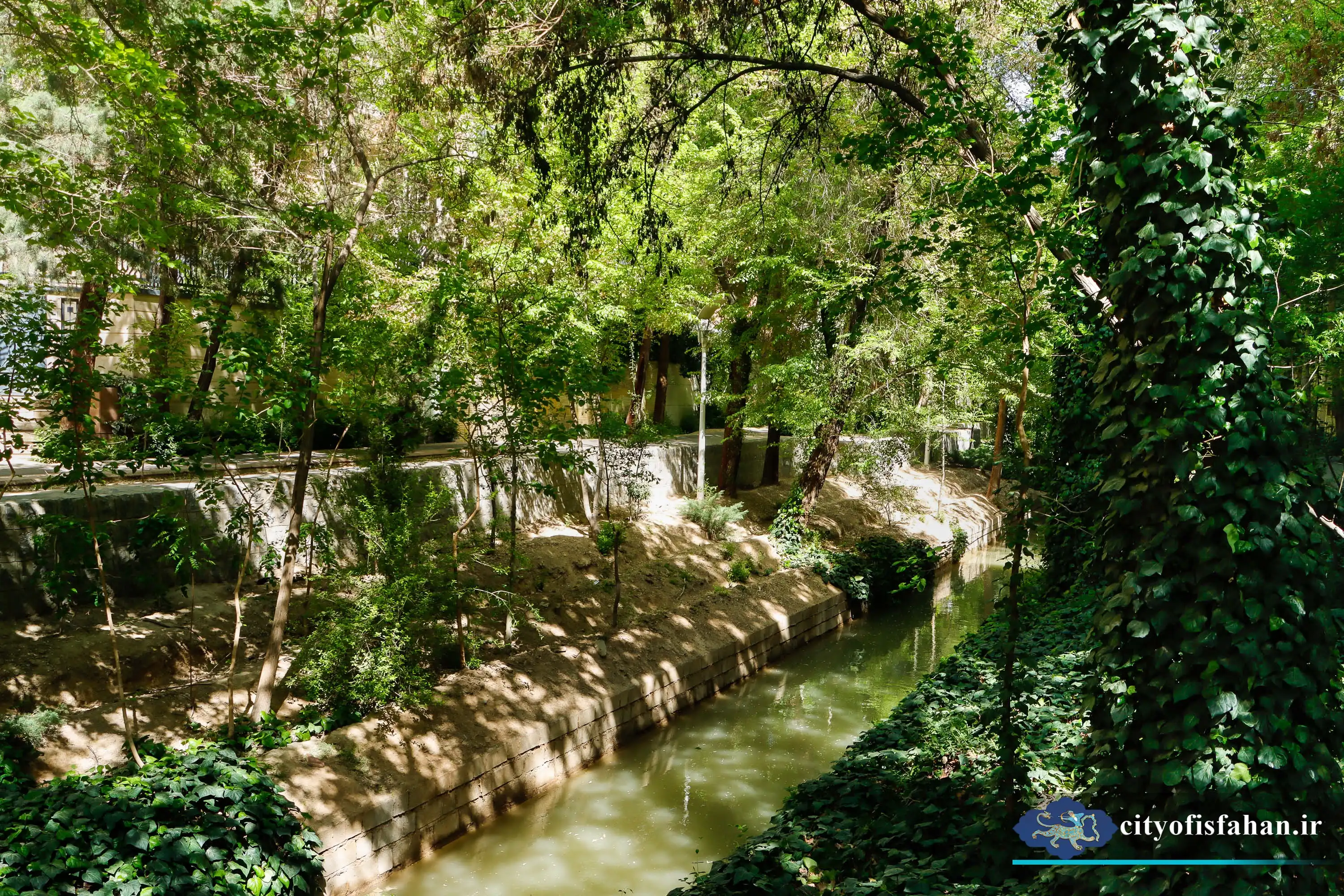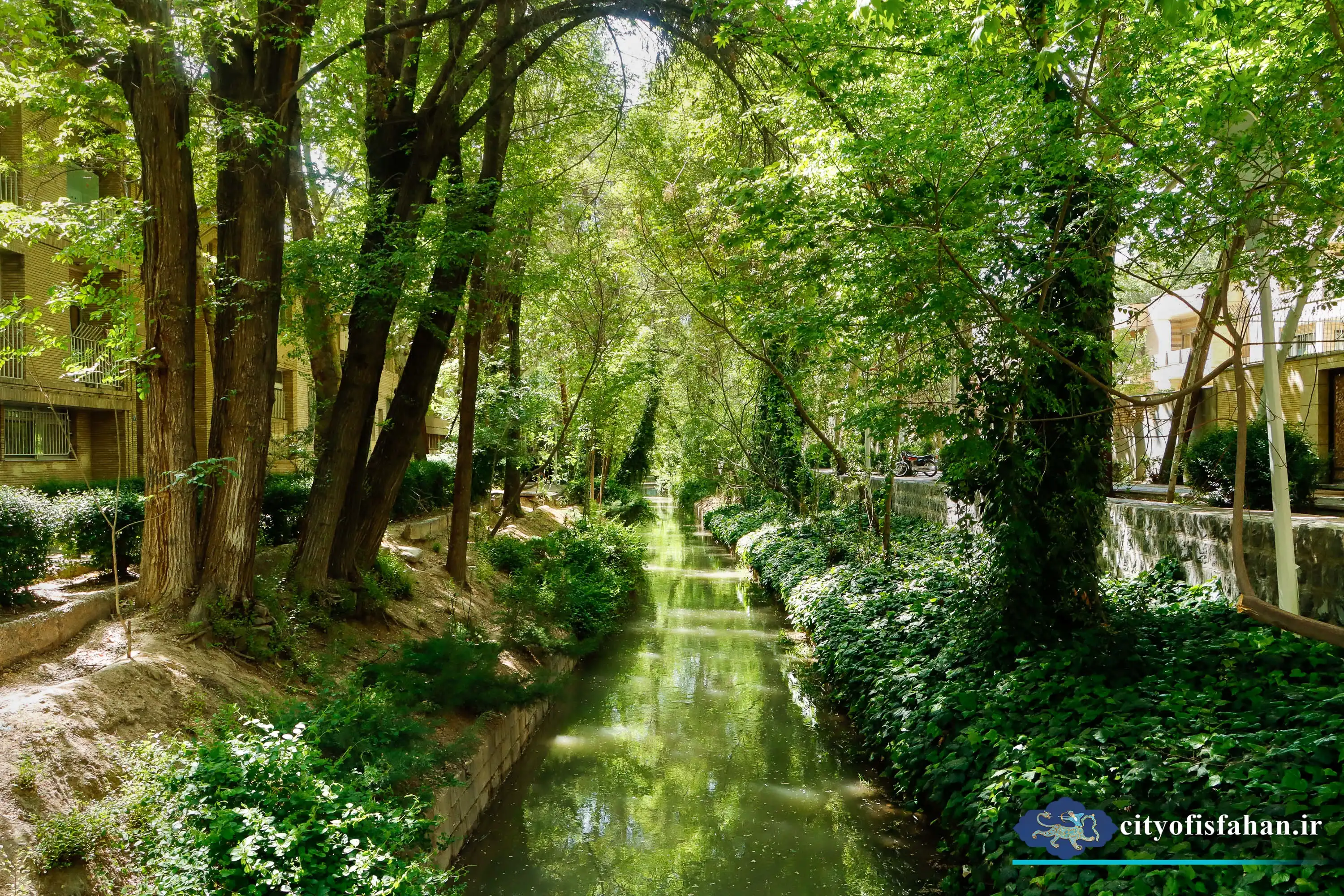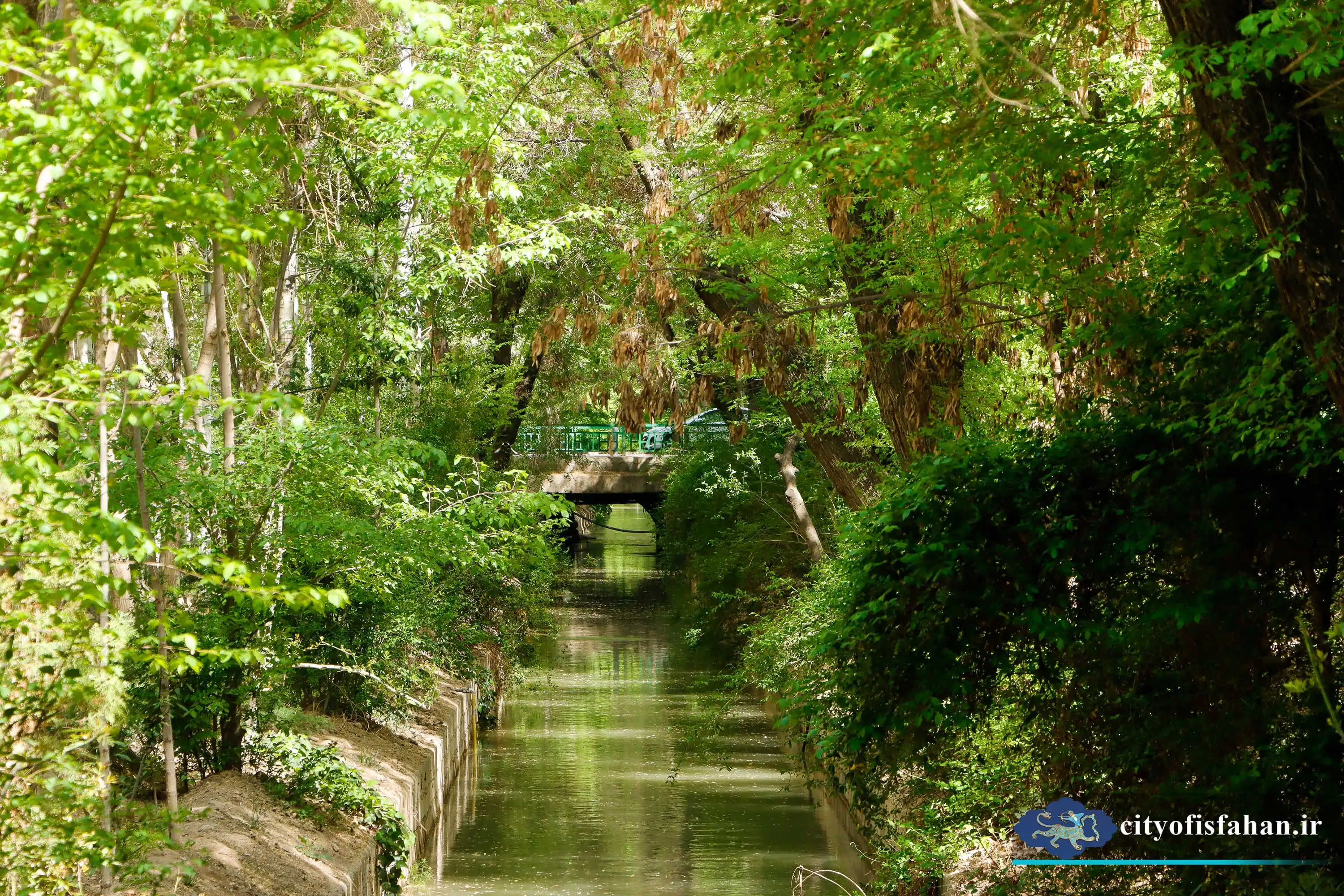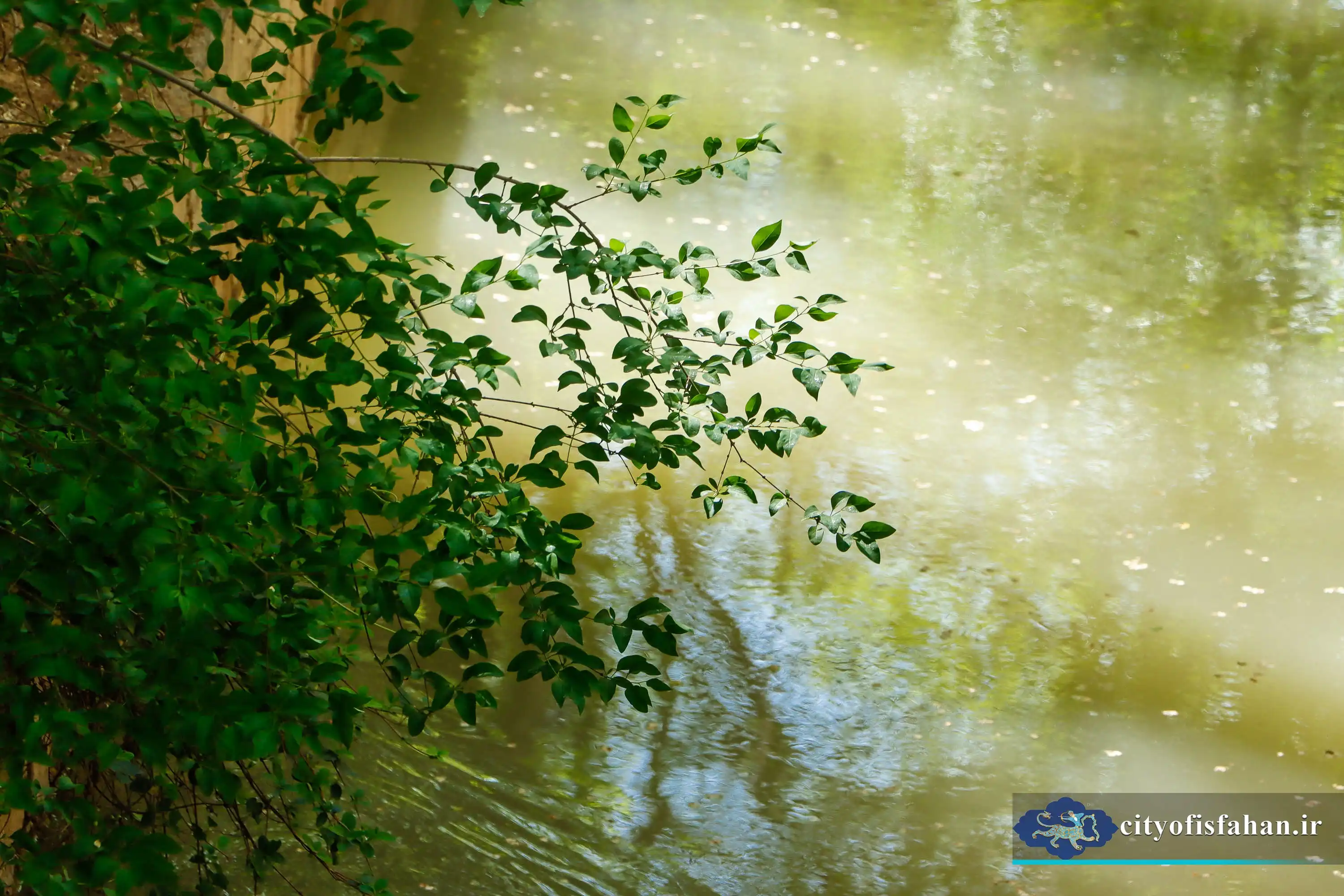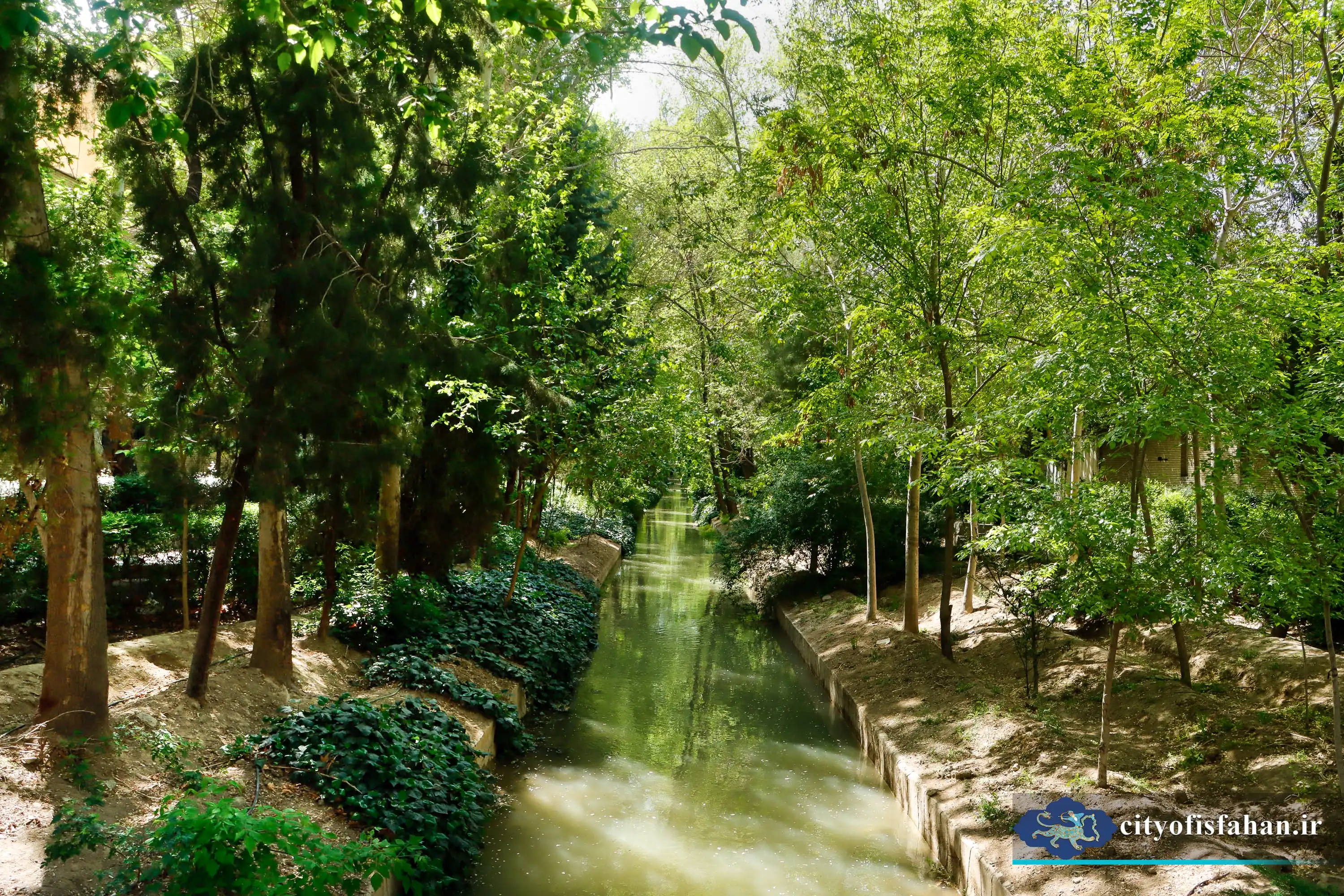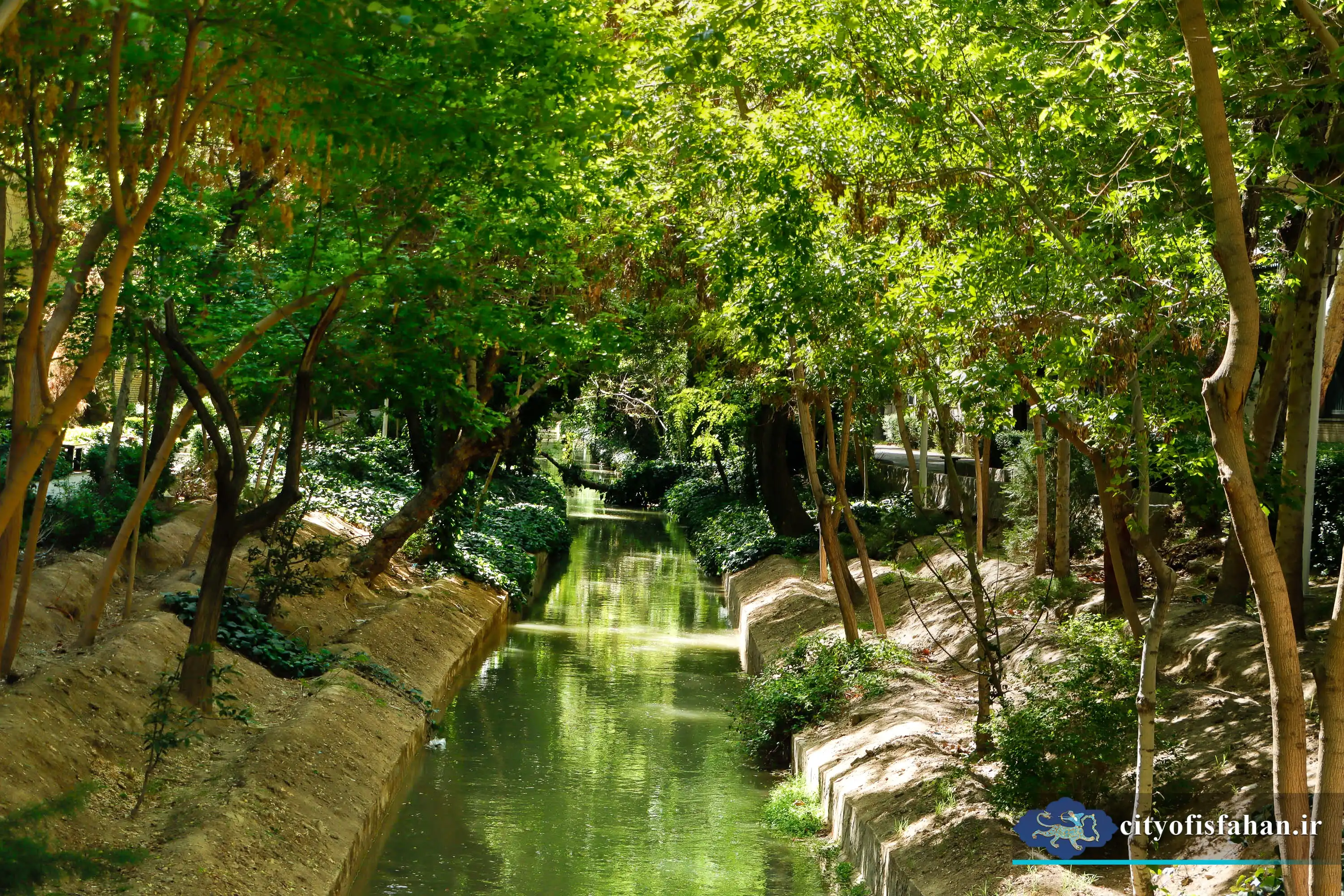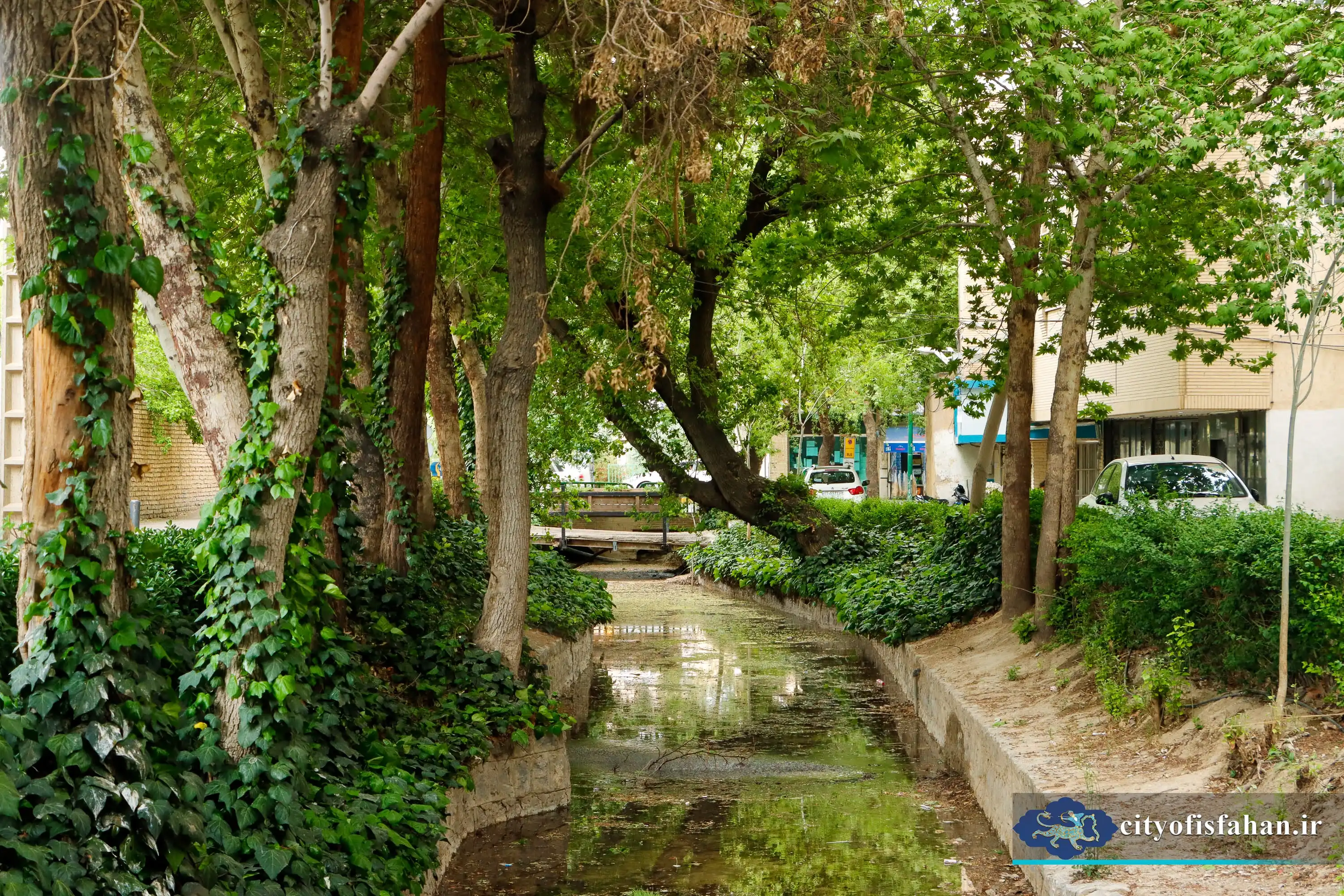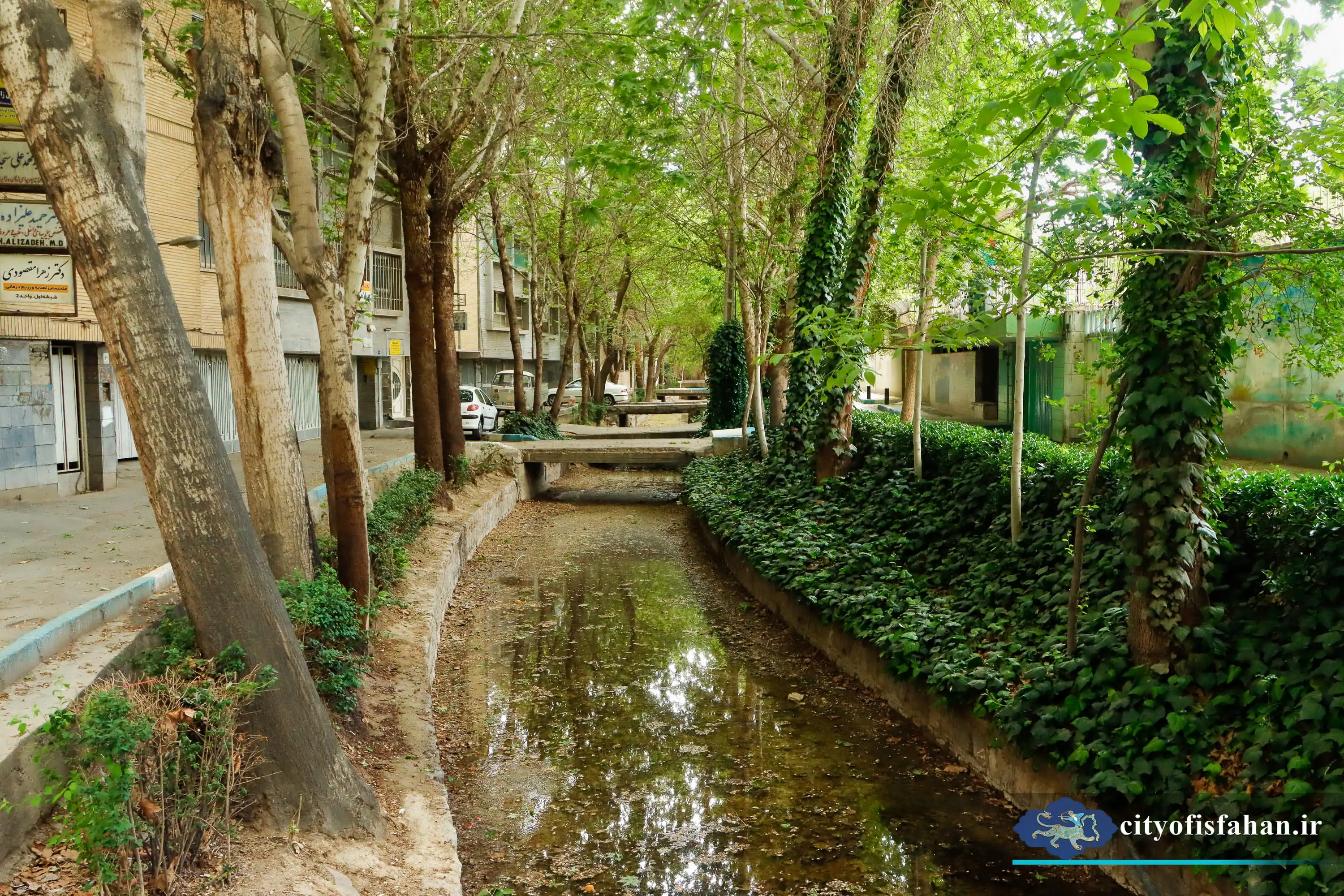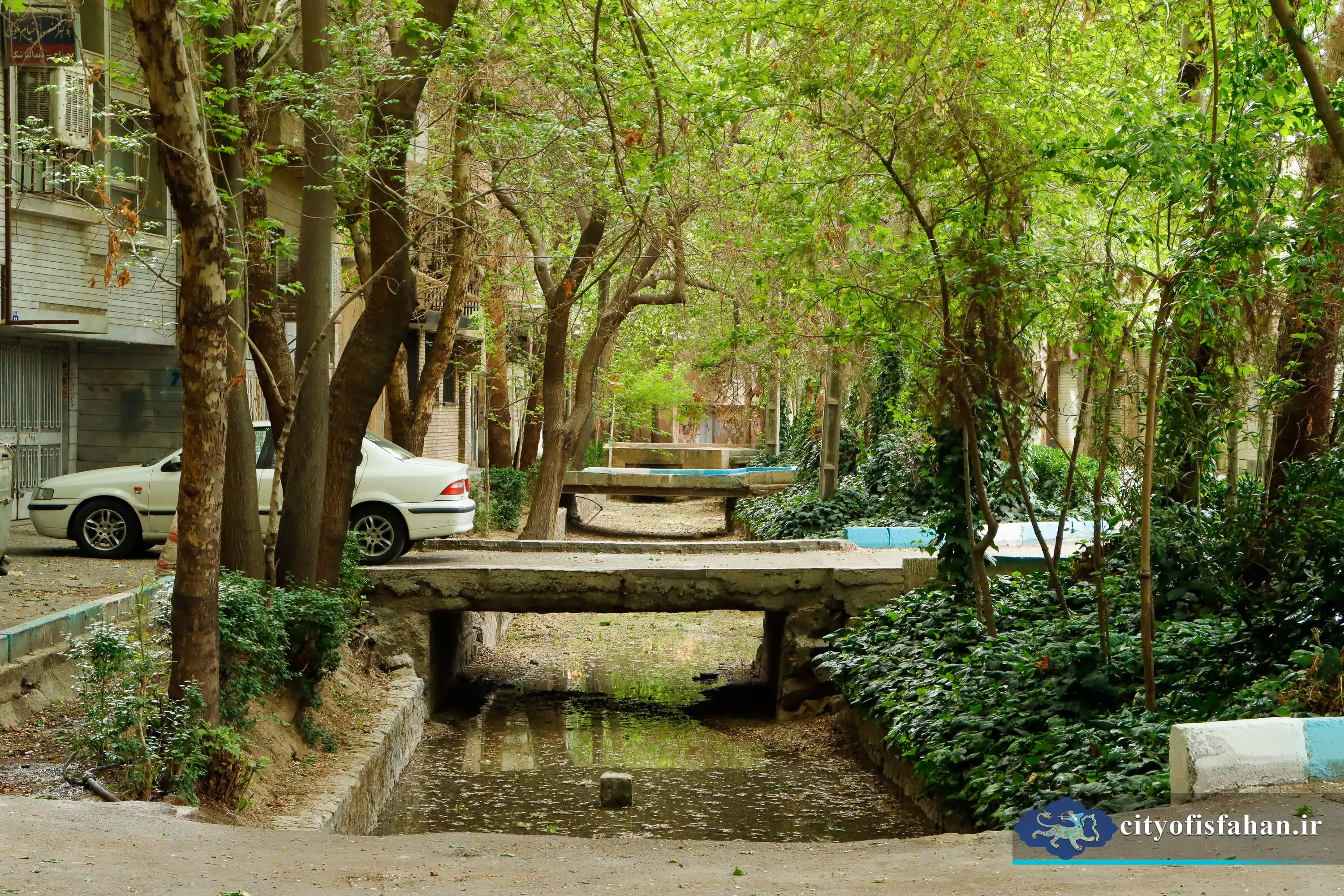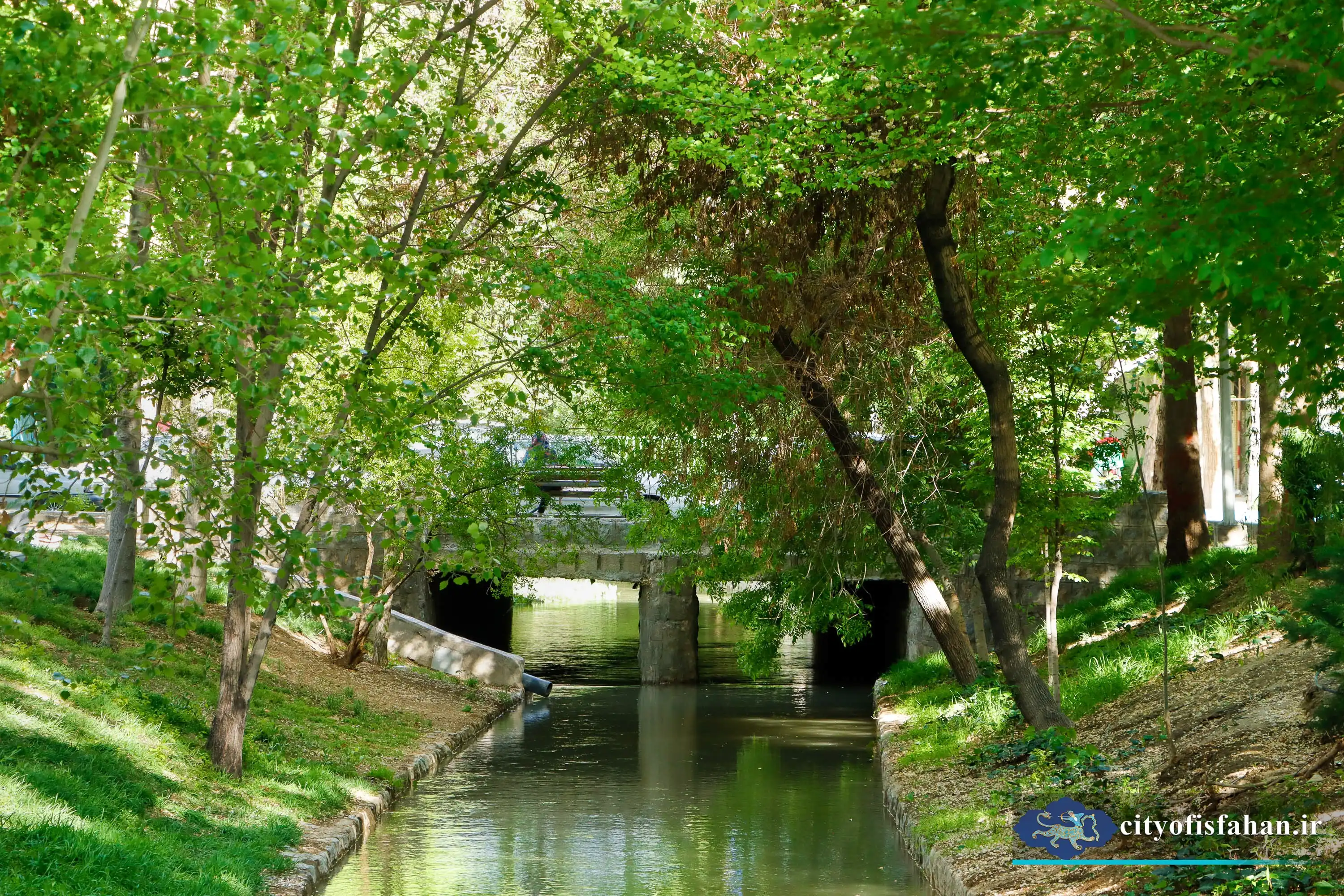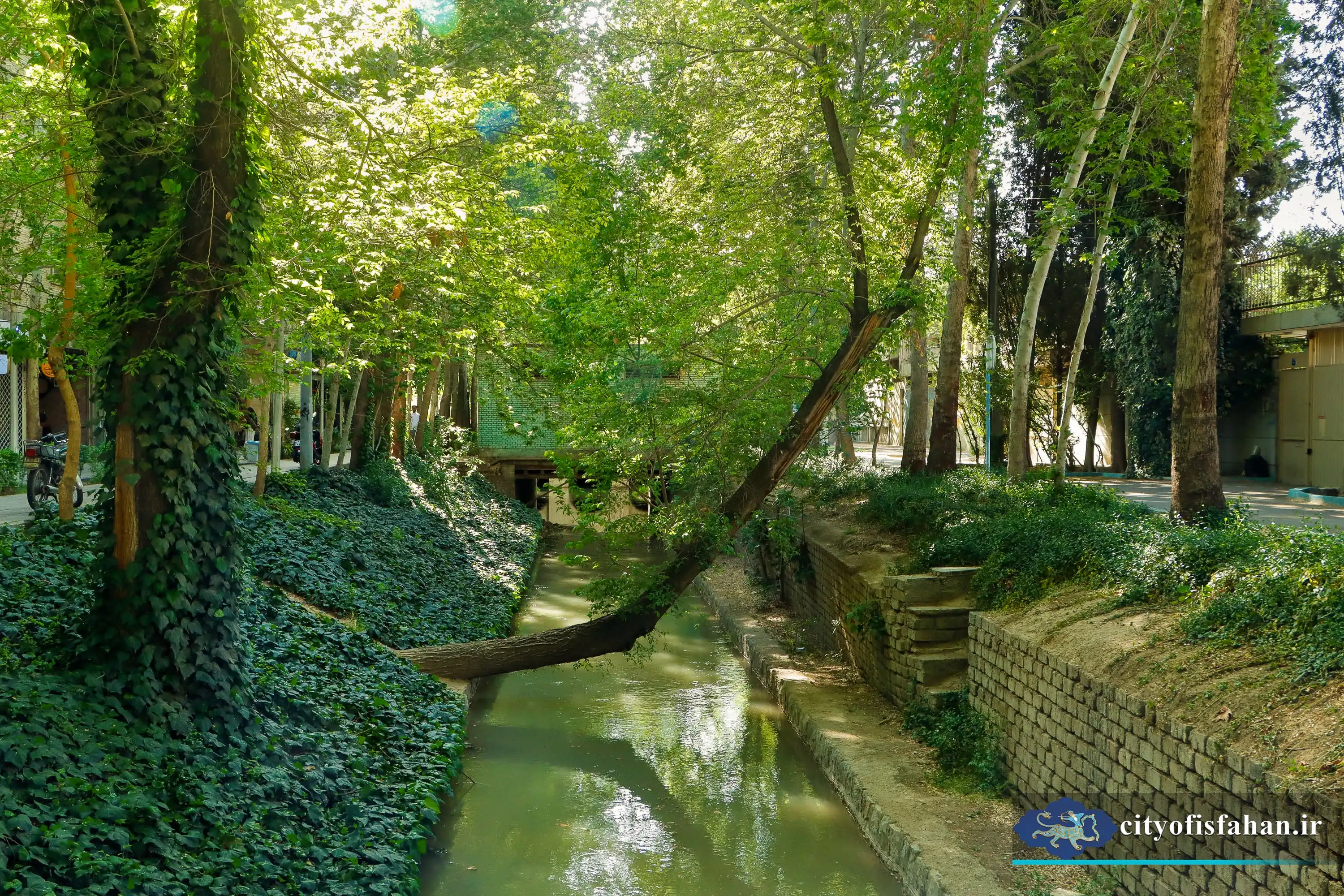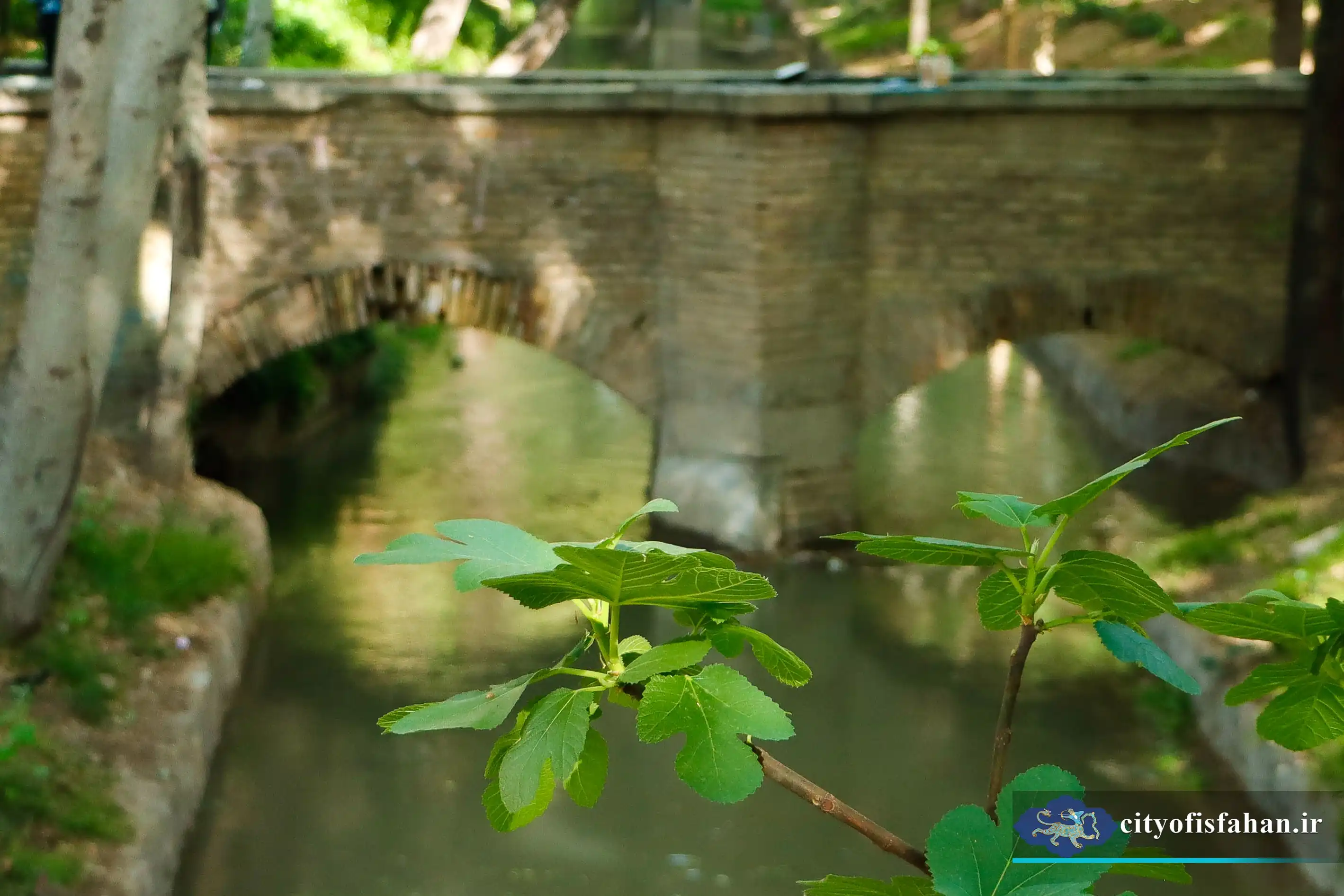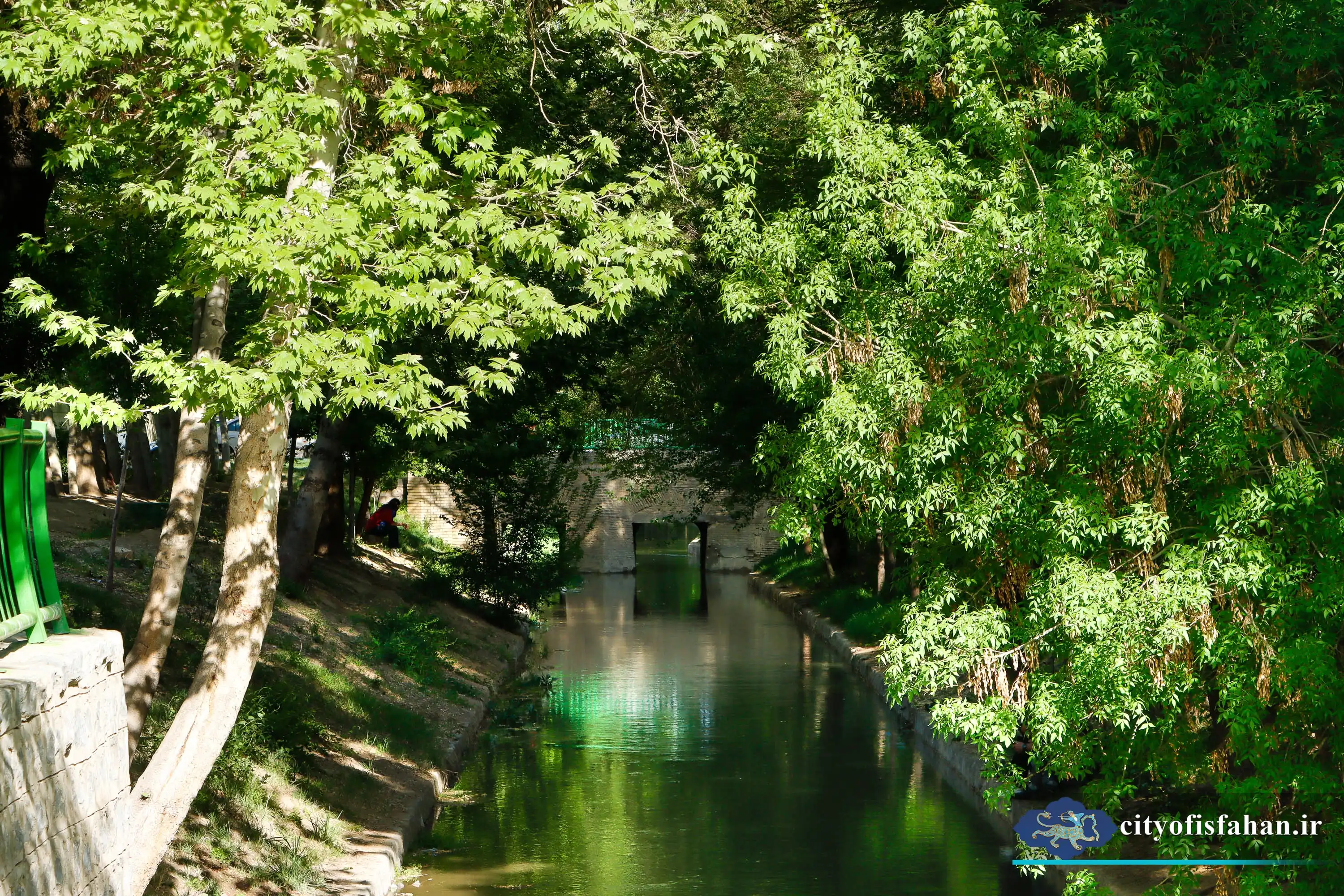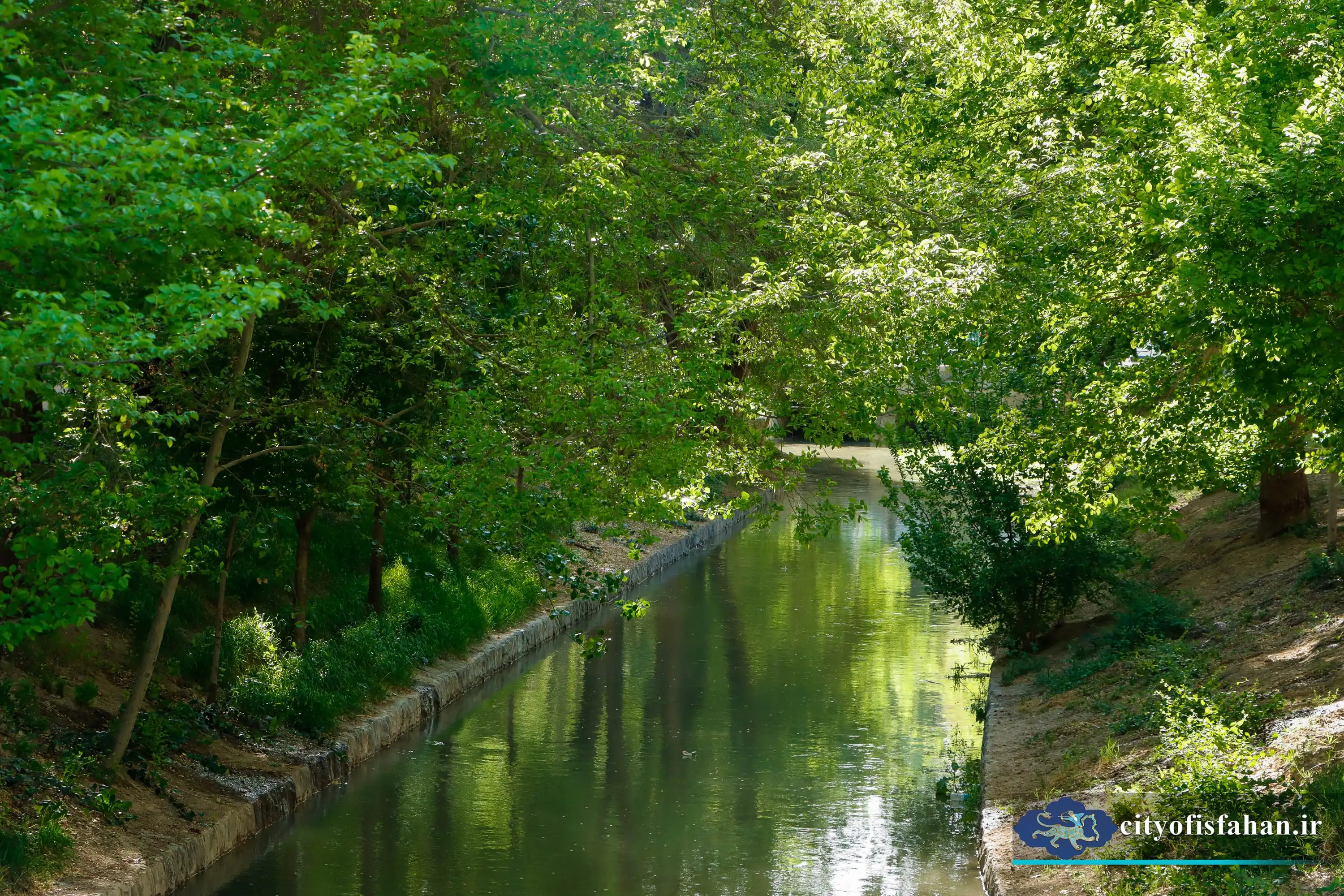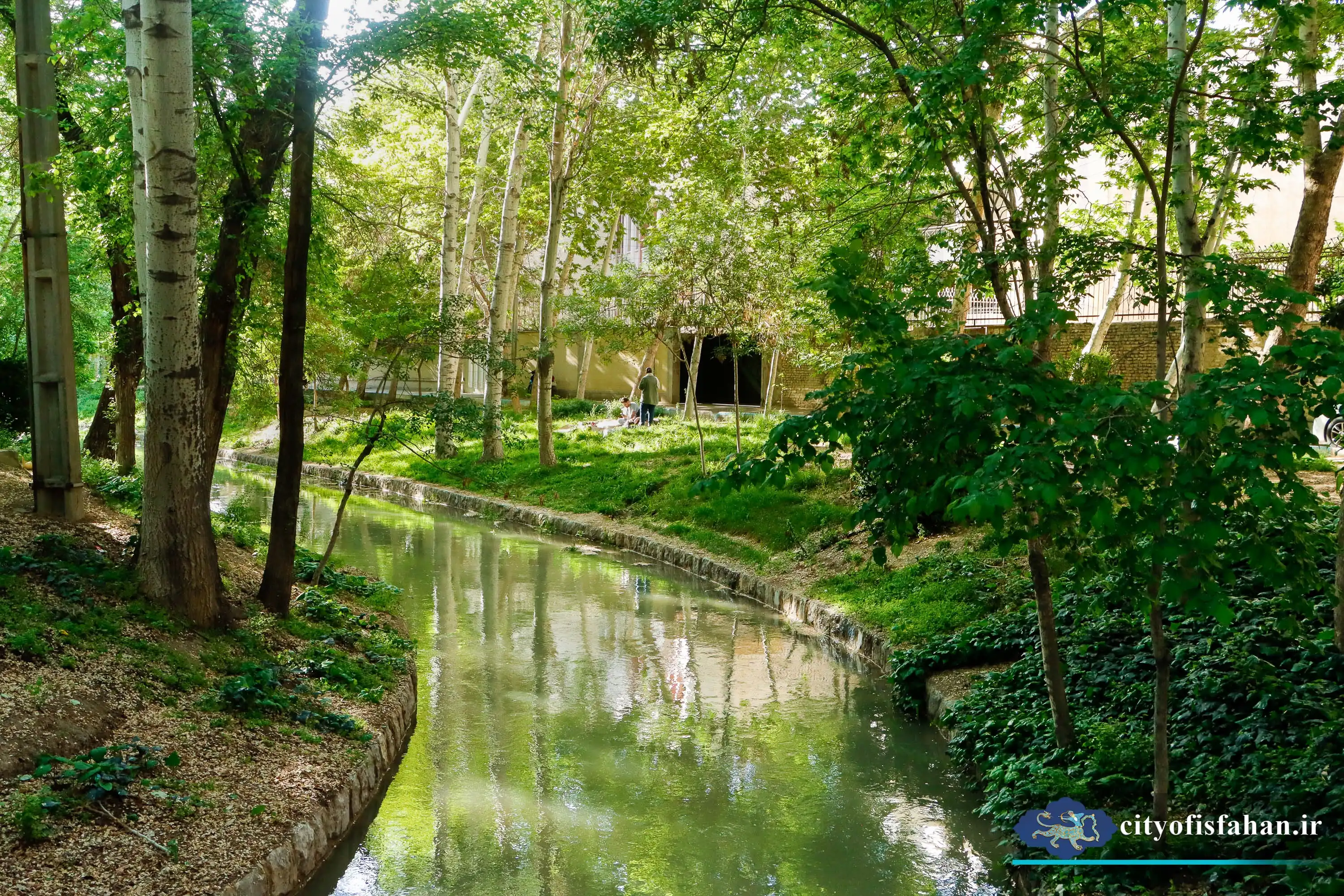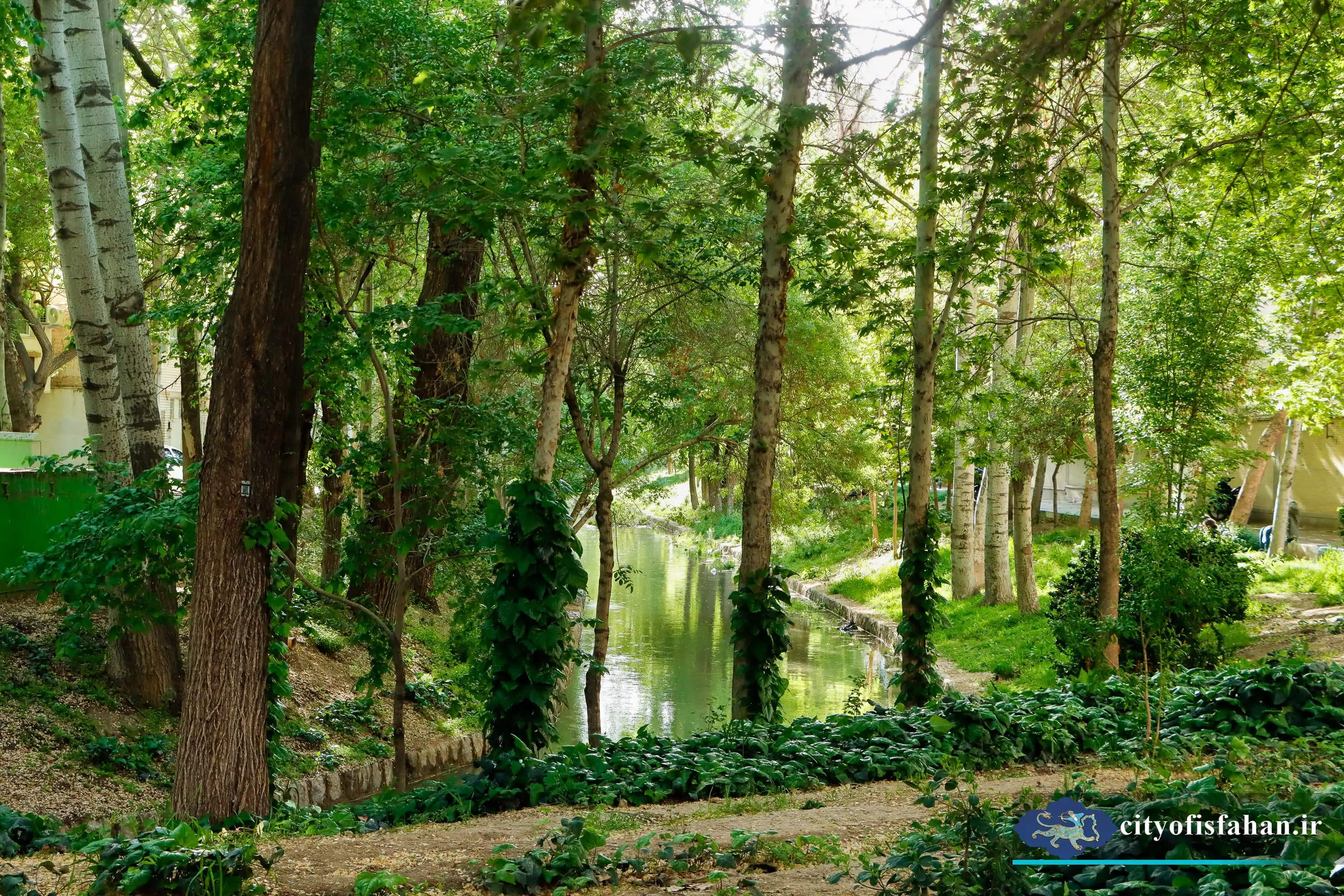

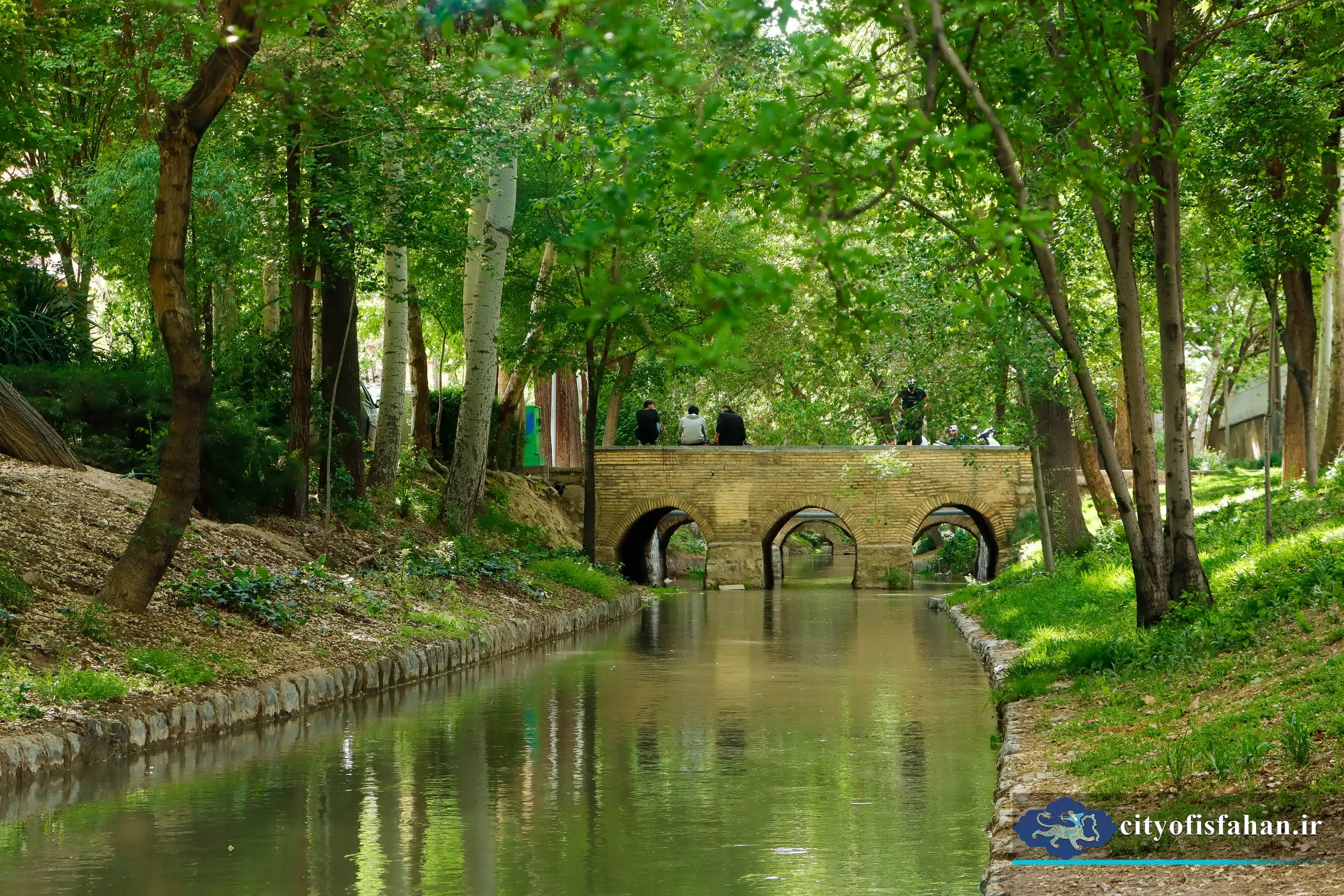
One of Isfahan’s captivating attractions is its "maadis"—water channels branching off from the Zayandeh Rud River and flowing throughout the city. These maadis were designed as wide channels that diverged from the river upstream, descending with a gentle slope of 1:1000. After traveling dozens of kilometers, they reached agricultural lands, where they split into smaller surface streams. Along their course, these water channels nourished and irrigated countless fields and villages.
The historic Water-Division Scroll, dating back to the Safavid era and attributed to Sheikh Bahai, the renowned scholar of Shah Abbas I’s court, documents 78 such channels branching from the Zayandeh Rud. Today, 10 maadis remain active within Isfahan’s urban fabric.
The term "maadi" in the Isfahani dialect refers to the broad, open canals that distribute water from the Zayandeh Rud to the surrounding areas. Unique to Isfahan, this term is not used elsewhere in Iran. Among the most famous and picturesque maadis are the Maadi-e Niasarm and Maadi-e Farshadi, which continue to embody the city’s ancient ingenuity and natural charm.