

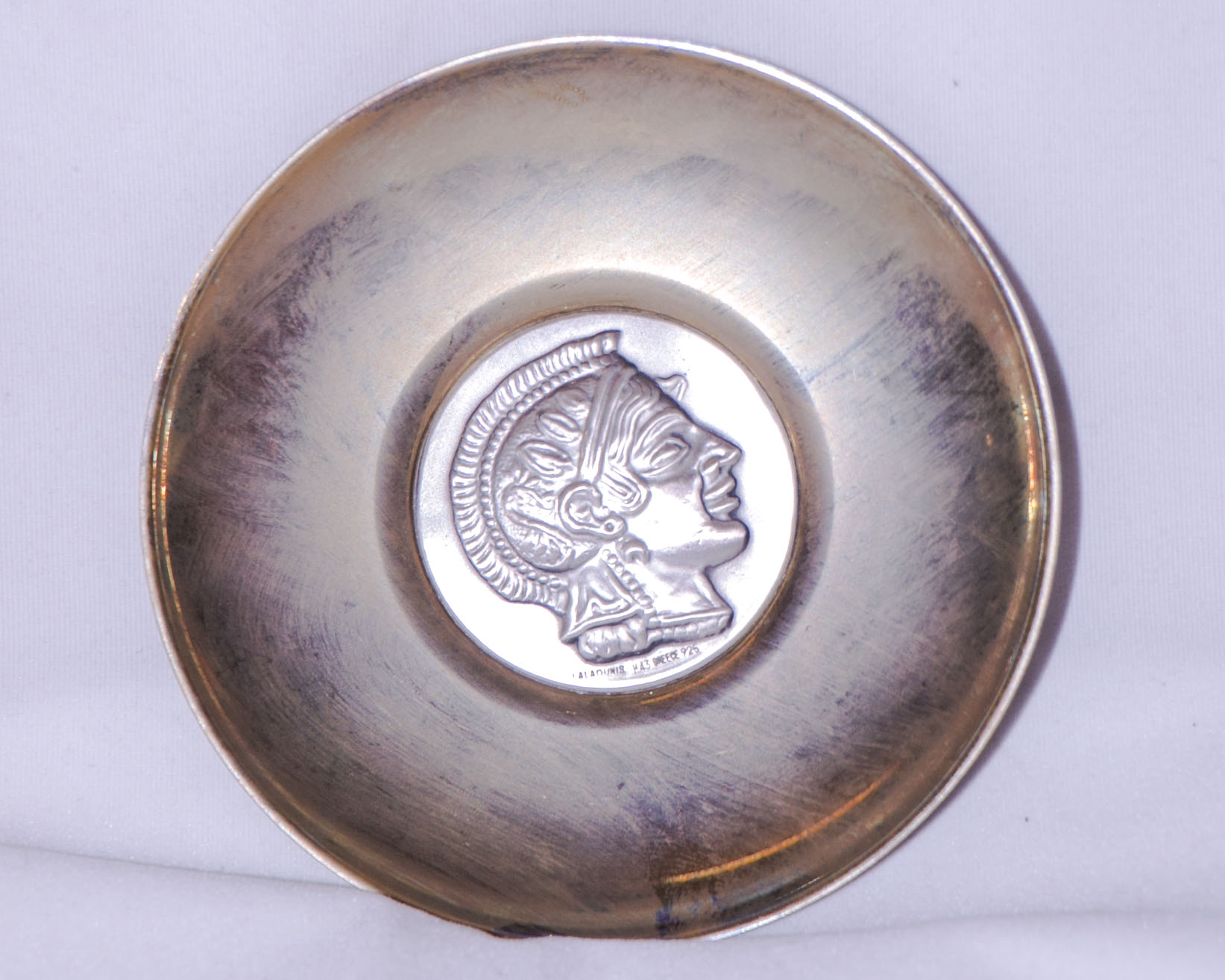
The cities of Iași in Romania and Isfahan in Iran have been officially recognized as sister cities since 1999.
Romania has a long-standing tradition of arts and crafts, a heritage that dates back to the Dacian period and the era of ancient Rome.
One of the most prominent branches of this artistic heritage is the production of decorative pottery, often adorned with local motifs—such as traditional Romanian plates featuring bird or floral designs, which are still sold today as cultural souvenirs.
Although less documented than pottery, Romanian metalwork has also played a notable role in the region’s artistic identity. Throughout Eastern Europe — including Romania — metalwork has appeared in architectural ornamentation, functional objects, and various artistic creations, such as religious and ceremonial items.
In Romania, especially after the 20th century, the production of decorative vessels—particularly ceramic and earthenware pieces—flourished as part of the country’s cultural tourism. Decorative wall plates featuring regional designs became a recognizable element of Romanian craftsmanship and souvenir culture.
بشقاب فلزی کوچک لبهدار
شهر یاش در رومانی و شهر اصفهان از سال ۱۹۹۹ بهعنوان شهرهای خواهر اعلام شدهاند.
رومانی دارای سنت دیرینهای از هنرهای دستی (arts & crafts) است که به دوران داکیها و روم باستان بازمیگردد.
یکی از شاخههای مهم، تولید ظروف سفالی تزئینی با نقشهای محلی است؛ مانند بشقابهای سنتی رومانیایی با نقوش پرنده یا گل که امروزه نیز بهعنوان سوغاتی عرضه میشوند.
درباره فلزکاری رومانی، اطلاعات مشخص کمتری در دسترس است (نسبت به سفال)؛ اما بهطورکلی، هنر فلزکاری در شرق اروپا – شامل رومانی – در قالب تزئینات معماری، وسایل کاربردی و اشیای هنری دیده شده است (مثلاً اشیای مذهبی و تزئینی).
در رومانی پس از قرن بیستم، تولید ظروف تزئینی بهویژه سفالی یا سرامیکی با نقشهای محلی بهعنوان بخشی از گردشگری فرهنگی رونق گرفت و بشقابهای دیواری (decorative plates) در بازار سوغات دیده میشوند.